LIVE MARKETS
USD/NGN1,377-0.22%
USD/KES130.40+0.18%
USD/ZAR16.77+0.31%
USD/GHS11.19-0.44%
USD/EGP48.00+0.05%
|
GOLD$4,628/oz+1.15%
BRENT$69.41/bbl-0.54%
COBALT$26,800/t-1.35%
|
BTC$94,280+2.34%
ETH$3,218+1.87%
USD/NGN1,377-0.22%
GOLD$4,628/oz+1.15%
BTC$94,280+2.34%
ROAD-1
Breaking AfCFTA Secretariat: 47 of 54 member states now operational under continental free trade framework — intra-Africa trade volumes up 12% year-on-year
Home Energy Morocco’s Renewable Play: Why Attijariwafa is Betting Big…
Energy

Morocco’s Renewable Play: Why Attijariwafa is Betting Big on Africa’s $20B Green Energy Corridor

Author: Kwame Owusu Desk: Uncategorized Desk Published: April 12, 2026 Attijariwafa Bank is deepening its role in financing renewable energy infrastructure as North Africa emerges as the continent’s solar frontline and as African financial institutions take on a more central role in mobilising the capital that external funders alone cannot provide. The bank’s strategy aligns with projections from the African Development Bank (AfDB) and data frameworks from the International Energy Agency (IEA), which indicate that Africa is entering a phase of accelerated renewable energy deployment. Morocco has established itself as a regional leader in this transition with large-scale solar and wind projects in Ouarzazate and beyond positioning the country as the continent’s most advanced clean energy hub. 35GW Projected Africa Solar Capacity by 2030 50% Solar Share of N. Africa Renewable Investment Top 3 Morocco — Africa Renewable Energy Leaders Energy Intelligence Africa Solar Capacity Growth (GW) — 2018 to 2030 Sources: African Development Bank, International Energy Agency  •  Calculations & Modelling: Limitless Beliefs Consulting Structural Intelligence From 5GW to 35GW The Inflection Is Already Here The solar capacity trajectory illustrates a structural inflection rather than incremental progress. North Africa accounts for a significant share of installed projects, supported by long-term national energy strategies that prioritise sustainability and energy security as sovereign economic objectives not merely climate commitments. The IEA has consistently highlighted Africa’s solar potential as among the highest globally, particularly in North African regions with exceptional irradiation levels. Morocco’s renewable pipeline is backed by policy frameworks that have proven durable across multiple government cycles a critical distinction in a continent where regulatory continuity often determines whether capital flows or retreats. Attijariwafa Bank’s involvement in this pipeline reflects a broader trend of African financial institutions adapting to the energy transition. Renewable energy projects require complex financing structures that combine debt, equity, and concessional funding and banks that can act simultaneously as arrangers, lenders, and advisors occupy a structurally valuable position. “By reducing dependence on imported fossil fuels, countries improve their external balances and reduce exposure to global price shocks energy sovereignty is economic sovereignty.” Capital Markets Intelligence Renewable Energy Investment Allocation North Africa Sources: AfDB Energy Investment Estimates  •  Calculations & Modelling: Limitless Beliefs Consulting Investment Intelligence Solar Dominance Cost Curves Are Driving the Allocation The investment allocation reflects the dominance of solar energy within North Africa’s renewable portfolio. This is not purely a policy choice it reflects the steep decline in solar technology costs over the past decade, which has made utility-scale solar projects increasingly competitive with traditional fossil fuel generation on a levelised cost basis. From a financial perspective, renewable energy investments offer relatively stable long-term returns, typically supported by power purchase agreements (PPAs) that guarantee revenue streams over 20 to 25-year horizons. However, these projects involve significant upfront capital expenditure making access to structured, long-term financing a critical determinant of project viability. Currency and financing risks remain key structural considerations. The IMF has noted that exchange rate volatility can materially impact the cost of servicing foreign-denominated debt a common feature in large African infrastructure projects. To mitigate these risks, financing structures increasingly incorporate hedging mechanisms, local currency tranches, and multilateral guarantees from institutions such as the AfDB and the World Bank’s IFC. Economic Intelligence Energy as Industrial Foundation The AfDB Thesis Morocco’s relatively stable macroeconomic environment provides a supportive backdrop for sustained investment. Compared to many other African markets, the country benefits from a more predictable regulatory framework and stronger institutional capacity factors that translate directly into lower risk premiums and deeper investor confidence. The AfDB has consistently emphasised that energy access and reliability are critical prerequisites for industrialisation. Manufacturing, services, and digital economies all depend on consistent power supply making energy infrastructure a foundational layer of economic growth rather than a sectoral objective in isolation. The expansion of renewable capacity has implications that extend well beyond the energy sector. It influences industrial competitiveness, trade balances, and long-term economic resilience. By reducing dependence on imported fossil fuels, countries can structurally improve their external accounts and reduce vulnerability to global commodity price cycles a form of economic sovereignty that balance sheet metrics alone cannot capture. This shift also reflects a broader trend toward financial deepening within the continent. As Africa’s capital markets evolve, local institutions are gaining the capacity to support large-scale infrastructure projects reducing dependence on foreign financing and enhancing the sovereign ownership of development outcomes. As Africa continues to add record solar capacity, the role of financial institutions like Attijariwafa Bank in enabling this growth will remain central. The integration of renewable energy into national economies is not merely an environmental objective. It is a core component of economic transformation and the banks that finance it are financing Africa’s next industrial foundation.
By Kwame Owusu · April 12, 2026 · 8 min read
Morocco’s Renewable Play: Why Attijariwafa is Betting Big on Africa’s $20B Green Energy Corridor

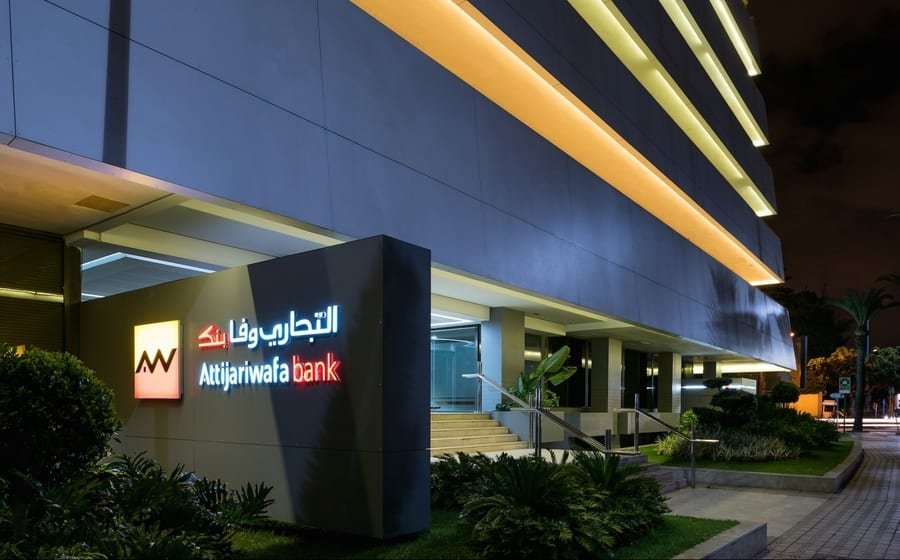
Attijariwafa Bank is deepening its role in financing renewable energy infrastructure as North Africa emerges as the continent's solar frontline and as African financial institutions take on a more central role in mobilising the capital that external funders alone cannot provide.

The bank's strategy aligns with projections from the African Development Bank (AfDB) and data frameworks from the International Energy Agency (IEA), which indicate that Africa is entering a phase of accelerated renewable energy deployment. Morocco has established itself as a regional leader in this transition with large-scale solar and wind projects in Ouarzazate and beyond positioning the country as the continent's most advanced clean energy hub.

35GW
Projected Africa Solar Capacity by 2030
50%
Solar Share of N. Africa Renewable Investment
Top 3
Morocco — Africa Renewable Energy Leaders

Energy Intelligence
Africa Solar Capacity Growth (GW) — 2018 to 2030

Sources: African Development Bank, International Energy Agency  •  Calculations & Modelling: Limitless Beliefs Consulting

From 5GW to 35GW The Inflection Is Already Here

The solar capacity trajectory illustrates a structural inflection rather than incremental progress. North Africa accounts for a significant share of installed projects, supported by long-term national energy strategies that prioritise sustainability and energy security as sovereign economic objectives not merely climate commitments.

The IEA has consistently highlighted Africa's solar potential as among the highest globally, particularly in North African regions with exceptional irradiation levels. Morocco's renewable pipeline is backed by policy frameworks that have proven durable across multiple government cycles a critical distinction in a continent where regulatory continuity often determines whether capital flows or retreats.

Attijariwafa Bank's involvement in this pipeline reflects a broader trend of African financial institutions adapting to the energy transition. Renewable energy projects require complex financing structures that combine debt, equity, and concessional funding and banks that can act simultaneously as arrangers, lenders, and advisors occupy a structurally valuable position.

“By reducing dependence on imported fossil fuels, countries improve their external balances and reduce exposure to global price shocks energy sovereignty is economic sovereignty.”

Capital Markets Intelligence
Renewable Energy Investment Allocation North Africa

Sources: AfDB Energy Investment Estimates  •  Calculations & Modelling: Limitless Beliefs Consulting

Solar Dominance Cost Curves Are Driving the Allocation

The investment allocation reflects the dominance of solar energy within North Africa's renewable portfolio. This is not purely a policy choice it reflects the steep decline in solar technology costs over the past decade, which has made utility-scale solar projects increasingly competitive with traditional fossil fuel generation on a levelised cost basis.

From a financial perspective, renewable energy investments offer relatively stable long-term returns, typically supported by power purchase agreements (PPAs) that guarantee revenue streams over 20 to 25-year horizons. However, these projects involve significant upfront capital expenditure making access to structured, long-term financing a critical determinant of project viability.

Currency and financing risks remain key structural considerations. The IMF has noted that exchange rate volatility can materially impact the cost of servicing foreign-denominated debt a common feature in large African infrastructure projects. To mitigate these risks, financing structures increasingly incorporate hedging mechanisms, local currency tranches, and multilateral guarantees from institutions such as the AfDB and the World Bank's IFC.


Energy as Industrial Foundation The AfDB Thesis

Morocco's relatively stable macroeconomic environment provides a supportive backdrop for sustained investment. Compared to many other African markets, the country benefits from a more predictable regulatory framework and stronger institutional capacity factors that translate directly into lower risk premiums and deeper investor confidence.

The AfDB has consistently emphasised that energy access and reliability are critical prerequisites for industrialisation. Manufacturing, services, and digital economies all depend on consistent power supply making energy infrastructure a foundational layer of economic growth rather than a sectoral objective in isolation.

The expansion of renewable capacity has implications that extend well beyond the energy sector. It influences industrial competitiveness, trade balances, and long-term economic resilience. By reducing dependence on imported fossil fuels, countries can structurally improve their external accounts and reduce vulnerability to global commodity price cycles a form of economic sovereignty that balance sheet metrics alone cannot capture.

This shift also reflects a broader trend toward financial deepening within the continent. As Africa's capital markets evolve, local institutions are gaining the capacity to support large-scale infrastructure projects reducing dependence on foreign financing and enhancing the sovereign ownership of development outcomes.

As Africa continues to add record solar capacity, the role of financial institutions like Attijariwafa Bank in enabling this growth will remain central. The integration of renewable energy into national economies is not merely an environmental objective. It is a core component of economic transformation and the banks that finance it are financing Africa's next industrial foundation.

🌍
ROAD-1 Intelligence
Get port friction scores, PAPSS settlement data, FX volatility signals, and corridor analysis for the trade routes in this story.
Access ROAD-1 →