
Desk: Uncategorized Desk
Published: May 25, 2026
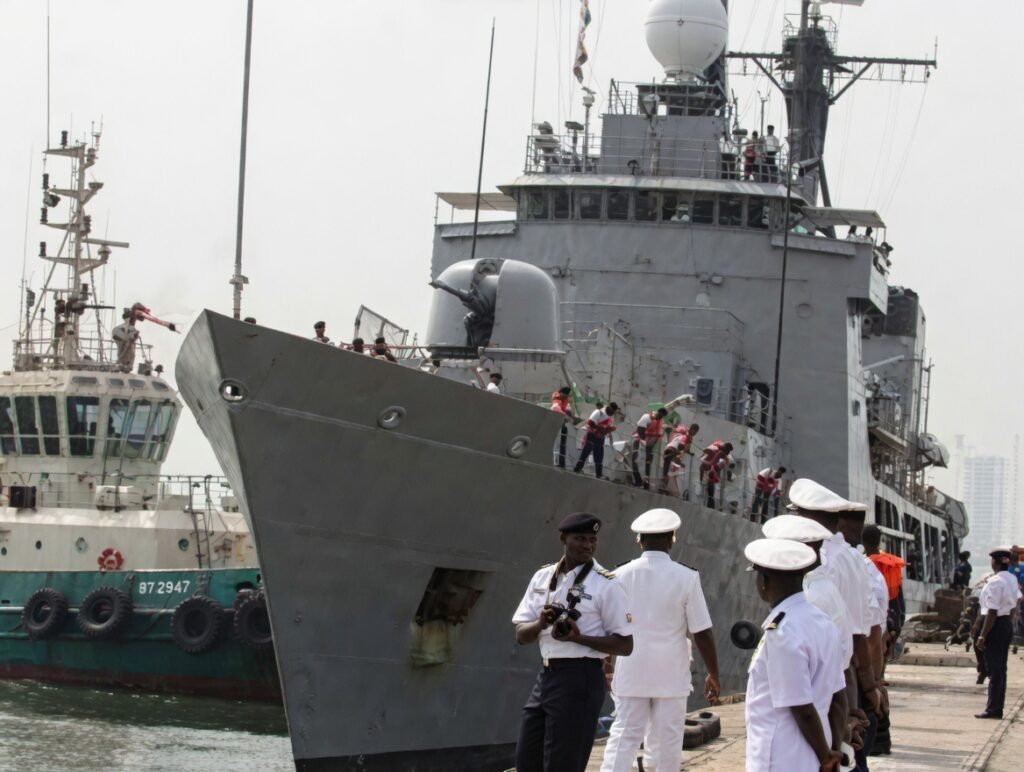
Nigeria is accelerating a major naval shipbuilding expansion in Lagos as part of a broader strategy to strengthen maritime security, reduce reliance on foreign built vessels, and secure its position as the dominant maritime power in West Africa. The Nigerian Navy is now locally producing and maintaining patrol boats designed to combat piracy, crude oil theft, illegal fishing, smuggling, and organized maritime crime across the Gulf of Guinea one of the world’s most commercially strategic but historically insecure shipping corridors. The development reflects a deeper transformation underway across Nigeria’s security industrial complex, where maritime defense is increasingly viewed not only as a military necessity, but as a core economic growth strategy tied to trade protection, logistics expansion, energy security, and investor confidence. Maritime security infrastructure is becoming a competitive economic asset.
Nigeria possesses Africa’s largest economy by population size and one of its most strategically important coastlines. More than 80% of the country’s international trade moves through maritime channels. However, years of piracy, oil theft, cargo diversion, and smuggling have imposed significant costs on the economy. According to maritime security estimates, crude oil theft and maritime insecurity previously cost Nigeria between $3 billion and $8 billion annually through lost oil exports, pipeline vandalism, illegal bunkering, shipping insurance premiums, delayed cargo movement, and foreign investor caution. The Gulf of Guinea once accounted for the majority of global piracy incidents. Today, Nigerian territorial waters have reported a dramatic decline in piracy activity due to expanded naval patrols, maritime surveillance systems, and regional coordination efforts.
Sources: AfDB, IMF, World Bank, IMO, Nigerian Navy • Analysis: Limitless Beliefs Consulting
Local Shipbuilding Could Reduce Foreign Dependence The Industrial Multiplier
Nigeria’s decision to locally manufacture and maintain naval patrol vessels in Lagos could significantly reduce dependence on foreign shipyards. Historically, African nations have relied heavily on European naval suppliers, Chinese shipbuilders, foreign maintenance contracts, and imported maritime technologies. This dependence increased defense costs while limiting domestic industrial capacity. Local naval shipbuilding changes that equation by creating engineering jobs, technical training ecosystems, defense manufacturing capabilities, supply chain development, and industrial spillover into civilian shipbuilding and vessel repair.
The table below estimates the economic and employment impact of Nigeria’s naval shipbuilding expansion:
| Sector | Estimated Impact (2026–2035) | Strategic Significance |
|---|---|---|
| Shipbuilding & Naval Manufacturing | 8,000–15,000 direct jobs | Reduces foreign procurement costs; builds technical skills |
| Maritime Security Personnel Expansion | 5,000–10,000 jobs | Strengthens patrol capacity; improves deterrence |
| Indirect Logistics & Port Jobs | 20,000+ jobs | Spillover from port efficiency gains |
| Oil Theft Reduction Savings | $2–5 billion annually | |
| Potential Trade Efficiency Gains |
“The future African economic map may increasingly favor countries capable of securing maritime trade routes rather than simply producing commodities. Security infrastructure is becoming a competitive economic asset.”
Maritime Dominance: Pros, Cons, and Strategic Trade-Offs
Nigeria’s growing maritime dominance carries both strategic advantages and structural risks. On the positive side, improved coastal security, reduced piracy incidents, protection of offshore energy assets, greater investor confidence, growth of local manufacturing capacity, and expansion of regional trade influence are measurable benefits. However, risks include high defense spending requirements (naval modernization competes with other budget priorities), risk of corruption in procurement (a historical challenge in Nigerian defense contracting), potential militarization of trade corridors, long-term maintenance costs (sustainment of locally built vessels requires ongoing investment), and regional competition from rival ports in Ghana, Togo, and Côte d’Ivoire. Despite these risks, most analysts believe maritime stabilization creates overwhelmingly positive economic outcomes for coastal African economies, with benefit cost ratios estimated at 5:1 to 10:1 for sustained naval patrol investments.
Sources: AfDB, IMF, World Bank, Interpol • Analysis: Limitless Beliefs Consulting
Africa’s Maritime Competition Is Intensifying
Nigeria’s maritime investments come as several African countries compete to become continental logistics hubs. Major maritime infrastructure expansion is also occurring in Ghana (Tema Port expansion), Togo (Lomé’s deepwater port), Côte d’Ivoire (Abidjan port modernization), Kenya (Lamu Port), South Africa (Durban and Ngqura), Egypt (Suez Canal economic zone), and Morocco (Tangier Med—Africa’s largest port). However, Nigeria possesses structural advantages few rivals can match: a large domestic consumer market of over 220 million people, massive import demand (among Africa’s largest container volumes), established energy export infrastructure, strategic Gulf of Guinea location astride West African trade, and growing naval capabilities that reduce piracy risk for all regional shipping.
Sources: LBNN Intelligence, NPA, AfDB • Analysis: Limitless Beliefs Consulting
Which Sectors Rebound First After Maritime Stabilization?
Historically, once maritime insecurity declines, three sectors tend to rebound first: logistics and shipping (immediate reduction in insurance premiums and transit times), energy infrastructure (offshore oil and gas operations resume normal schedules), and agricultural export corridors (perishable goods move reliably). Mining logistics and industrial warehousing also benefit as insurers lower premiums and freight reliability improves. Private African capital is likely to move first toward port-linked industrial parks, energy servicing firms, marine engineering companies, cold-chain logistics (agricultural exports), and regional freight corridors. The strongest long-term winners may not be defense contractors, but companies controlling the logistics ecosystems surrounding secure maritime trade.
Sources: NNPC, NPA, Extractive Industries Transparency Initiative • Analysis: Limitless Beliefs Consulting
Bottom Line: Nigeria’s naval shipbuilding expansion in Lagos—producing locally built patrol vessels to combat piracy and oil theft—represents a strategic pivot from foreign-dependent maritime security to domestically anchored defense-industrial capacity. The economic stakes are substantial: $3–8 billion in annual losses previously incurred from maritime crime can be progressively recaptured. Local shipbuilding could create 8,000–15,000 direct manufacturing jobs, with indirect employment exceeding 20,000 across logistics, port operations, and supply chains. Zero piracy incidents for four consecutive years already signal improved security. The challenge is sustainment: maintaining naval vessels, avoiding procurement corruption, and converting security gains into investor confidence that translates into port-linked industrial investment. Nigeria’s maritime future is not about warships—it is about whether secure coastlines enable the industrialization that the country’s population and geography have always promised. The Gulf of Guinea is becoming safer. The question is whether Nigerian businesses will be the primary beneficiaries.