
Desk: Uncategorized Desk
Published: July 2, 2026
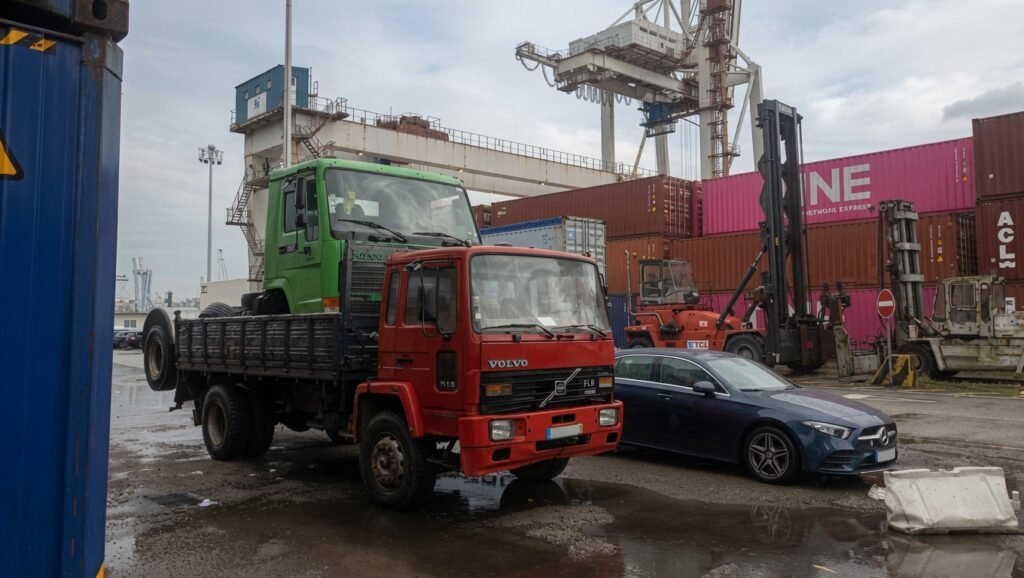
Nigeria’s decision to reduce import levies on vehicles could reshape one of Africa’s largest automotive markets. Under the announced policy, the levy on new vehicle imports falls from 20% to 10%, while the levy on used vehicle imports drops from 15% to 5%. If fully implemented, the measure is expected to lower import costs, improve vehicle affordability, stimulate trade, and increase activity across Nigeria’s automotive value chain. Lower import costs may increase vehicle volumes entering Nigeria through ports such as Apapa, Tin Can Island, and Onne, potentially supporting logistics, dealerships, financing, insurance, servicing, and aftermarket businesses. The longer-term impact will depend on exchange rate stability, customs administration, and the balance between encouraging imports and supporting domestic vehicle assembly.
Nigeria’s automotive market is one of Africa’s largest by volume, with an estimated vehicle population exceeding 12 million units and annual new vehicle sales of approximately 50,000–70,000 units (with used imports significantly outpacing new sales). The levy reduction signals a policy recalibration one that prioritises consumer affordability and trade volume over protectionist industrial policy. However, the strategy carries inherent tensions: lower barriers to imports may increase vehicle availability but could also pressure local assembly operations (Innoson, PAN Nigeria, etc.) which already operate at suboptimal capacity due to high production costs and infrastructure constraints.
Sources: AfDB, World Bank, IFC, National Bureau of Statistics • Calculations & Modeling: Limitless Beliefs Consulting
Estimated Employment Impact 35,000–70,000 New Jobs
If vehicle import volumes rise materially, the wider automotive ecosystem could support approximately 35,000–70,000 additional direct and indirect jobs over the medium term. The largest gains are expected in maintenance and spare parts (12,000–25,000 jobs), vehicle import and distribution (8,000–15,000), vehicle dealerships (6,000–12,000), port logistics and customs services (5,000–10,000), auto finance and leasing (2,000–4,000), and insurance (1,500–3,000). These figures reflect both direct employment (e.g., dealership staff, customs agents) and indirect jobs (e.g., parts manufacturing, transport, professional services).
“The policy represents a calculated trade‑off: lower vehicle prices and increased trade volume versus potential pressure on domestic assembly. The outcome will hinge on customs efficiency, FX stability, and complementary industrial policy.”
Impact on Nigeria’s Economy Trade, Affordability, and FX Considerations
Lower import costs may stimulate consumer spending and increase vehicle ownership. Greater vehicle availability can improve business mobility, logistics efficiency, and access to transportation for households and SMEs. Increased trade activity may also generate higher port throughput and support related service industries. However, a sharp increase in imports could widen demand for foreign currency, making exchange-rate management an important policy consideration. Nigeria’s automotive import bill is already significant (estimated $5–8 billion annually for fully built vehicles); lower levies could increase volume but also pressure the current account. The chart below tracks the projected automotive activity index through 2027:
Sources: IMF, AfDB, World Bank • Calculations & Modeling: Limitless Beliefs Consulting
Major Companies Positioned to Benefit
Several automotive industry players are strategically positioned to capitalise on increased import volumes. CFAO Motors Nigeria stands to benefit from vehicle imports and dealership expansion; Coscharis Motors from premium and commercial vehicle distribution; Elizade Nigeria from Toyota distribution and servicing; Mikano Motors from commercial and passenger vehicle sales; and Lanre Shittu Motors from commercial fleets and heavy-duty vehicles. Domestic assemblers such as Innoson Vehicle Manufacturing face a more complex competitive environment – lower import costs could pressure their price positioning, but the policy also signals broader economic activity that may eventually support local production if complemented by infrastructure and financing improvements.
Sources: National Bureau of Statistics, AfDB • Calculations & Modeling: Limitless Beliefs Consulting
The largest automotive markets remain Lagos (Nigeria’s principal import, dealership, and logistics hub), Abuja (strong government, corporate, and executive demand), Port Harcourt (energy sector and commercial fleets), and Kano (Northern Nigeria’s commercial distribution center). Lagos alone accounts for nearly half of all vehicle imports, reflecting its status as the country’s primary port gateway and commercial capital.
Has the Nigerian Automotive Industry Improved Over the Last 12 Months?
The industry has shown gradual improvement, supported by recovering consumer demand, renewed commercial activity, expanding digital auto marketplaces (e.g., Cars45, Autochek, and others), and modest gains in domestic vehicle assembly. Challenges remain, including high financing costs (interest rates exceeding 20%), persistent inflation, and exchange-rate volatility. However, improved FX liquidity following central bank reforms has begun to ease the import bottlenecks that previously constrained dealer inventory. The industry’s trajectory appears cautiously positive, with the levy reduction acting as a potential accelerator.
Sources: LBNN Intelligence, AfDB, World Bank • Calculations & Modeling: Limitless Beliefs Consulting
Benefits for Entrepreneurs and Investors
The levy reduction creates multiple opportunities across the automotive value chain. Entrepreneurs can benefit from lower inventory acquisition costs, expanded dealership opportunities, growth in vehicle financing (lending, leasing), higher demand for insurance products, expansion of maintenance and spare-parts businesses, growth in logistics and fleet management services, and potential expansion of mobility technology platforms (ride-hailing, car-sharing, digital marketplaces). For investors, the policy signals a more trade‑friendly environment that could attract foreign auto distributors and accelerate the professionalisation of the used-car market.
Ease of Doing Business Balancing Trade and Industrial Objectives
If lower import levies translate into lower vehicle prices, businesses could benefit from reduced fleet acquisition costs and improved mobility. Delivery companies, SMEs, agriculture, and professional services may experience productivity gains through more affordable transportation. At the same time, policymakers will need to balance lower import costs with industrial objectives, particularly the development of domestic vehicle assembly and manufacturing. The policy’s long-term success will depend on complementary reforms in customs efficiency, foreign exchange stability, infrastructure, and support for local manufacturing so that increased imports do not come at the expense of domestic industrial development.
Bottom Line: Nigeria’s decision to reduce vehicle import levies 20% to 10% for new vehicles and 15% to 5% for used is a significant trade policy shift with wide‑ranging economic implications. If implemented effectively, the measure could lower vehicle prices, increase import volumes, and support 35,000–70,000 jobs across logistics, dealerships, finance, and aftermarket services. Lagos, Abuja, Port Harcourt, and Kano are the primary markets that will capture the majority of increased activity. However, the policy carries trade‑offs: higher import volumes may pressure FX reserves and the current account, while local assemblers (Innoson, PAN Nigeria) may face intensified price competition. The outcome depends on customs efficiency, exchange-rate stability, and complementary industrial policy. For entrepreneurs and investors, the opportunity lies in dealership expansion, auto finance, spare parts, and logistics. Nigeria’s automotive market is scaling but the direction of that scaling depends on whether the policy remains consistent over the medium term.