
Desk: Uncategorized Desk
Published: May 25, 2026
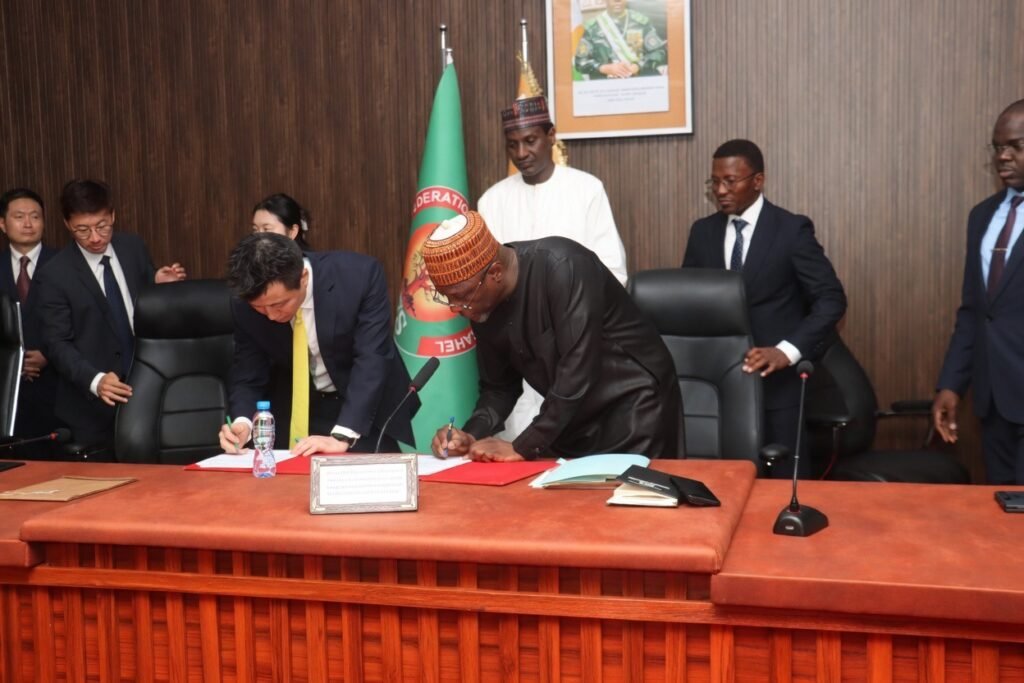
Niger’s latest oil agreements with Chinese energy companies mark one of the most strategically important resource negotiations in the Sahel since the rise of military led governments across West Africa. After months of tensions surrounding labor disputes, wage disparities, and disagreements over pipeline economics, authorities in Niamey secured a fresh package of agreements aimed at expanding oil production while increasing state participation in strategic infrastructure. The new framework includes approximately $1 billion in investment commitments tied to the Dinga Deep and Abolo Yogou projects, with projected crude output expected to rise from approximately 110,000 barrels per day to 145,000 barrels per day by 2029. Crucially, the agreements also reduced pipeline transportation fees from $27 to $15 per barrel, generating estimated annual savings of $106 million for Niger’s government while securing Niamey a 45% stake in the West African Oil Pipeline Company.
Across Africa, governments are increasingly demanding greater ownership and control over natural resources, particularly after years of criticism that foreign operators captured disproportionate profits from African commodity extraction. Niger’s decision reflects a wider continental shift toward resource nationalism countries including Senegal, Algeria, Angola, Tanzania, Namibia, and Uganda are pursuing similar strategies that combine foreign capital partnerships with stronger local ownership structures. Policymakers increasingly view energy infrastructure not merely as export machinery, but as the foundation for industrialization, fertilizer manufacturing, petrochemical development, electricity generation, and domestic job creation.
Sources: AfDB, IMF, African Energy Chamber • Analysis: Limitless Beliefs Consulting
Estimated Employment Impact — 18,000–35,000 Jobs
Energy economists estimate that the Niger-China oil agreements could directly and indirectly support between 18,000 and 35,000 jobs over the next five years through pipeline operations, engineering contracts, transport logistics, catering services, security, maintenance, housing, and construction activities. The broader multiplier effect may be even larger. In many African economies, every direct energy-sector job can create between 3 to 7 secondary jobs across the wider economy—trucking operators, welders, ICT technicians, civil engineers, hospitality workers, and SME contractors supporting industrial supply chains.
The table below breaks down estimated job creation by sector:
| Sector | Estimated Jobs Created | Economic Impact |
|---|---|---|
| Pipeline Construction & Maintenance | 8,000–12,000 | Boosts infrastructure spending and regional connectivity |
| Oil Field Operations | 4,000–7,000 | Raises industrial employment and technical training demand |
| SME Supply Chain Services | 6,000–10,000 | Stimulates local entrepreneurship and procurement |
| Transport & Logistics | 2,500–5,000 | Strengthens regional trade movement |
“Energy sovereignty is becoming the new African economic doctrine. The countries that win Africa’s energy future will not be those with the largest reserves, but those capable of balancing foreign capital, local labor participation, geopolitical leverage, and industrial policy discipline simultaneously.”
Energy Sovereignty Becomes the New African Economic Doctrine
Niger’s decision to secure a 45% stake in the West African Oil Pipeline Company reflects a wider continental shift toward resource nationalism. Countries including Senegal (Yakaar-Teranga gas), Namibia (offshore oil), Tanzania (LNG renegotiations), Uganda and Tanzania (East African Crude Oil Pipeline), and Angola (concession restructuring) are pursuing similar strategies. Policymakers increasingly view energy infrastructure not merely as export machinery, but as the foundation for industrialization, fertilizer manufacturing, petrochemical development, electricity generation, and domestic job creation. The balance between sovereignty and investment attractiveness will likely determine which African energy economies outperform over the next decade.
Why GDP Growth Makes Projects Like This Inevitable
Africa’s population is projected to surpass 2.5 billion by 2050, while electricity demand is expected to more than triple over the same period. Governments across the continent increasingly understand that industrialization cannot happen without stable domestic energy production. This creates a paradox policymakers are attempting to solve: fast population growth requires rapid job creation; industrialization requires cheap domestic energy; cheap domestic energy requires large scale infrastructure investment; and large scale infrastructure investment requires foreign capital and stable policy. The Niger-China agreements represent an attempt to align all four simultaneously.
Sources: Niger Ministry of Petroleum, AfDB • Analysis: Limitless Beliefs Consulting
Investment Risks Still Remain Political Instability and Execution Gaps
Despite optimism, significant risks remain: political instability in the Sahel (Niger’s military government faces ongoing legitimacy and security challenges), security threats along transport corridors (pipeline routes cross remote, insecure areas), currency volatility (CFA franc stability but Niger faces broader fiscal pressures), infrastructure bottlenecks (port and road capacity constraints), weak judicial enforcement, corruption concerns, and commodity price fluctuations. There is also the danger that rising resource nationalism could discourage foreign capital if governments become overly aggressive in renegotiating contracts without maintaining investor protections.
Sources: LBNN Intelligence, AfDB, World Bank • Analysis: Limitless Beliefs Consulting
Africa’s Energy Investment Race Is Accelerating
Niger is not operating in isolation. Across Africa, energy megaprojects are accelerating: Senegal is developing the Yakaar-Teranga gas field; Namibia continues major offshore exploration momentum; Uganda and Tanzania are progressing the East African Crude Oil Pipeline; Nigeria is expanding refinery and petrochemical infrastructure; Mozambique is repositioning LNG investments after insurgency disruptions; Angola continues offshore deepwater investments. Together, these projects are reshaping Africa from primarily a raw commodity exporter toward becoming a future industrial energy hub. The countries that win this race will not necessarily be those with the largest reserves, but those capable of converting energy wealth into industrial capacity, middle-class expansion, local entrepreneurship, vocational skills development, electricity access, and regional logistics dominance.
Bottom Line: Niger’s $1 billion oil agreements with Chinese partners represent a strategic bet on energy sovereignty in the Sahel. Production rising from 110,000 to 145,000 bpd, pipeline fees cut by $12 per barrel ($106 million annual savings), and a 45% state stake in pipeline infrastructure collectively signal a shift toward resource nationalism. Estimated job creation of 18,000–35,000 positions across construction, operations, and supply chains could transform Niger’s rural economy if execution matches ambition. But significant risks remain: political instability, security threats, and the perennial African challenge of converting resource wealth into diversified industrial capacity rather than extractive dependency. The real test for Niger is not barrels per day. It is whether energy revenues translate into roads, power grids, schools, and private sector growth. If so, Niamey could become a model for Sahelian energy led development. If not, the oil will flow, but the prosperity will not.