
Desk: Uncategorized Desk
Published: June 8, 2026
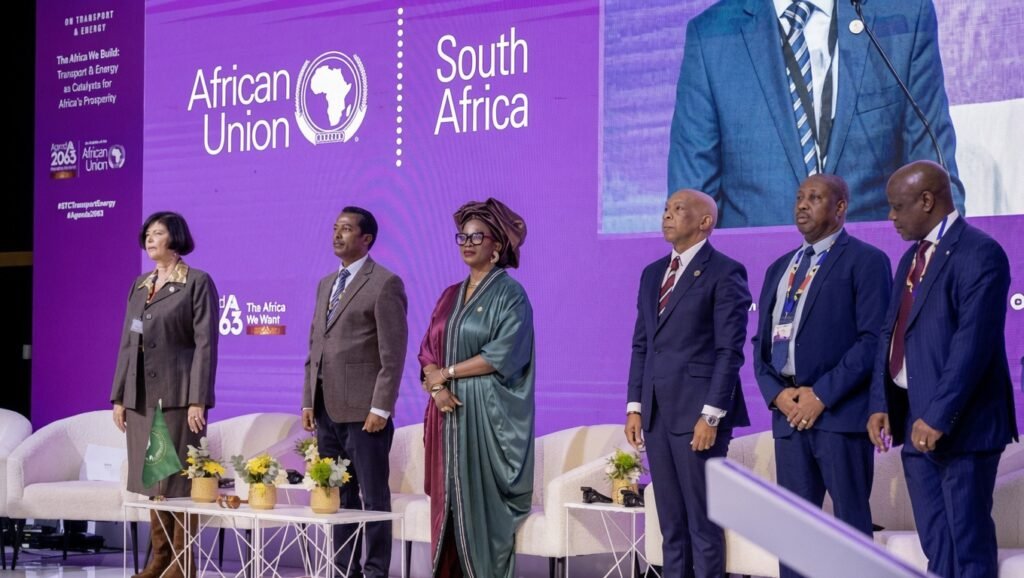
The African Union has formally endorsed a continent wide maritime modernization strategy focused on port digitalization, green port infrastructure, and logistics efficiency. Approved following the African Union Specialized Technical Committee on Transport and Energy meetings, the initiative represents one of the most ambitious maritime infrastructure modernization programs ever proposed at the continental level. The initiative seeks to improve cargo handling efficiency, reduce shipping costs, lower carbon emissions, strengthen supply chain resilience, and improve Africa’s competitiveness within global trade networks. The strategy arrives at a critical time as African economies attempt to capitalize on the African Continental Free Trade Area (AfCFTA) and growing global demand for diversified supply chains. Approximately 90% of Africa’s international trade by volume moves through maritime routes, yet many African ports continue to suffer from congestion, outdated customs procedures, insufficient digital systems, and aging infrastructure.
The African Development Bank estimates that logistics inefficiencies increase the cost of doing business across many African economies by 30% to 40% compared to global benchmarks. Digitalization initiatives could significantly reduce cargo clearance times, improve customs transparency, and accelerate cross-border trade. The implementation of green port frameworks and digital maritime systems is expected to generate economic benefits across multiple sectors. Improved port efficiency lowers shipping costs, reduces vessel turnaround times, and strengthens supply chain reliability. Infrastructure analysts estimate that port modernization programs can increase trade throughput by 15% to 35% while reducing logistics costs by 10% to 25%.
Sources: AfDB, UNCTAD, World Bank • Calculations & Modeling: Limitless Beliefs Consulting
Infrastructure Impact on African Economies GDP Multiplier and Trade Efficiency
Countries with major port systems such as Nigeria, South Africa, Kenya, Morocco, Egypt, Côte d’Ivoire, Ghana, Senegal, and Tanzania stand to benefit disproportionately from modernization initiatives. The table below outlines the projected efficiency gains for key port economies:
| Country / Port | Estimated Efficiency Gain (Cargo Throughput) | Projected Logistics Cost Reduction |
|---|---|---|
| Nigeria (Lagos Complex) | ||
| South Africa (Durban) | ||
| Kenya (Mombasa) | ||
| Morocco (Tanger Med) | ||
| Egypt (Suez Canal Axis) |
“Port delays remain one of Africa’s largest hidden taxes on economic activity. Digitalization could significantly reduce paperwork, cut clearance times from days to hours, and lower logistics costs by 10–25% – directly improving competitiveness for exporters and reducing consumer prices for importers.”
Employment Impact Across Maritime Infrastructure 150,000–400,000 Jobs
While the AU strategy does not include a continental employment target, infrastructure economists estimate that large-scale port modernization projects across Africa could support between 150,000 and 400,000 direct and indirect jobs over the next decade. Employment opportunities are expected in port construction and rehabilitation, engineering and project management, digital logistics systems, customs technology platforms, warehouse operations, transportation services, maritime security, and environmental compliance and sustainability management. Unlike extractive industries, maritime infrastructure investments tend to create long-term operational employment after construction phases are completed. The pie chart below shows the estimated job distribution across key maritime infrastructure sectors:
Sources: ILO, AfDB, World Bank • Calculations & Modeling: Limitless Beliefs Consulting
Why Green Ports Matter Sustainability as a Competitive Asset
The AU’s green ports framework reflects growing global pressure to reduce emissions throughout supply chains. International shipping companies, logistics firms, and multinational manufacturers increasingly prioritize ports that can demonstrate sustainability compliance. Green port initiatives typically include shore power systems (reducing vessel emissions at berth), renewable energy integration (solar, wind, shore-side electrification), electrified cargo handling equipment (replacing diesel cranes and forklifts), digital vessel traffic management (optimizing approaches and berthing), environmental monitoring systems (air and water quality), and emission reduction programs (carbon accounting, offsetting). Ports that adopt these standards may become preferred destinations for global shipping operators seeking to reduce carbon footprints, potentially commanding a “green premium” in routing decisions.
Ease of Doing Business Implications From Bottleneck to Catalyst
Port delays remain one of Africa’s largest hidden taxes on economic activity. Businesses frequently face higher inventory costs, delayed shipments, customs bottlenecks, and supply chain uncertainty. Digitalization could significantly reduce paperwork requirements and processing times while improving transparency and reducing opportunities for corruption. For exporters, faster cargo movement directly improves competitiveness. For importers, lower logistics costs can reduce final consumer prices and support business expansion. The table below summarizes the business impacts of key maritime infrastructure improvements:
| Infrastructure Improvement | Business Impact | Estimated Benefit |
|---|---|---|
| Port Digitalization (single window, paperless) | Green Port Systems (energy efficiency) | |
| Smart Logistics Platforms (tracking, visibility) | ||
| Integrated Port Networks (corridor approach) |
Sources: LBNN Intelligence, AfDB, World Bank • Calculations & Modeling: Limitless Beliefs Consulting
Investment Prediction: Which Regions Become Investable?
If security conditions continue improving along key maritime corridors, several regions could emerge as major investment destinations. The Gulf of Guinea coastline (Lagos-Lekki, Abidjan, Tema), East African port corridors (Mombasa, Dar es Salaam), Red Sea logistics hubs (Port Sudan, Djibouti), and Southern African export gateways (Walvis Bay, Maputo, Durban) are likely to attract increasing levels of infrastructure and industrial capital. Particularly attractive regions include Lagos-Lekki, Abidjan, Tema, Mombasa, Dar es Salaam, Walvis Bay, and Tanger Med linked industrial zones. Investors typically follow logistics efficiency, and improved maritime infrastructure often precedes broader industrial expansion.
Which Sectors Rebound First?
The first sectors likely to experience growth following successful port modernization are logistics, warehousing, transportation services, and export oriented manufacturing. These industries benefit immediately from lower shipping costs and improved trade reliability. Agriculture could become a major secondary beneficiary as exporters gain access to faster and more reliable supply chains (perishable goods, cold chain logistics). Mining companies may also benefit significantly through reduced export costs and improved access to international markets. As operational risks decline and logistics performance improves, private capital is expected to flow into logistics parks, industrial zones, cold-storage facilities, bonded warehouses, and export processing centers located near major ports. Longer term, investors are likely to expand into manufacturing clusters, renewable energy projects, commercial real estate developments, and technology platforms supporting digital trade ecosystems. Ports increasingly function as economic ecosystems rather than standalone infrastructure assets.
Sources: AfDB, IMF, IFC • Calculations & Modeling: Limitless Beliefs Consulting
Sources: AfDB, IMF, World Bank • Calculations & Modeling: Limitless Beliefs Consulting
Bottom Line: The African Union’s endorsement of a unified green port and digitalization strategy represents a landmark step toward improving the continent’s maritime competitiveness. With 90% of trade by volume moving through ports, and logistics inefficiencies adding 30–40% to business costs, modernization is not optional it is existential. Port digitalization could increase trade throughput by 15–35%, reduce logistics costs by 10–25%, and support 150,000–400,000 jobs across the continent. Leading ports (Tanger Med, Lekki, Mombasa, Tema) are already investing; the AU framework provides coordination and best practice harmonization. Success requires more than infrastructure – customs reforms, single-window systems, and inter-agency cooperation determine whether new capacity translates into faster cargo movement. If African ports transition from bottlenecks to catalysts, the continent could capture a larger share of global trade and attract unprecedented industrial investment. The AU green port strategy sets the direction. Implementation at national level will determine the speed.