
LIVE MARKETS
USD/NGN1,377-0.22%
USD/KES130.40+0.18%
USD/ZAR16.77+0.31%
USD/GHS11.19-0.44%
USD/EGP48.00+0.05%
|
GOLD$4,628/oz+1.15%
BRENT$69.41/bbl-0.54%
COBALT$26,800/t-1.35%
|
BTC$94,280+2.34%
ETH$3,218+1.87%
USD/NGN1,377-0.22%
GOLD$4,628/oz+1.15%
BTC$94,280+2.34%
ROAD-1
Breaking AfCFTA Secretariat: 47 of 54 member states now operational under continental free trade framework — intra-Africa trade volumes up 12% year-on-year
Home Fashion Intelligence Nigeria’s Ankara Paradox: A $3 Billion Value Chain…
Fashion Intelligence

Nigeria’s Ankara Paradox: A $3 Billion Value Chain Leakage in a $6 Billion Fashion Economy

Author: Nnamdi Okeke Desk: Uncategorized Desk Published: April 22, 2026 Nigeria has a $4.7–$6.1 billion fashion industry and a $3 billion annual value leakage problem because 90% of the Ankara fabric that defines its most culturally iconic textile is manufactured in China and India, sustaining Asian industrial ecosystems while Nigerian textile mills remain underutilised, defunct, or non-existent at the scale the consumer market demand would justify if the industrial policy and energy infrastructure existed to support domestic production. The Ankara paradox is not simply a trade imbalance. It is a structural diagnosis of where Nigeria’s industrialisation strategy has failed most visibly: at the intersection of a world-class consumer culture and an absent manufacturing base. Nigerian fashion designers, tailors, retailers, and stylists generate genuine economic activity and cultural output that travels globally. The upstream textile manufacturing that should sit behind that creative economy spinning, weaving, dyeing, finishing is systematically absent at commercial scale, replaced by container imports from Guangzhou and Surat. The consequence is a fashion economy with limited industrial multiplier effect. Over 85% of supply chains bypass formal industrial manufacturing. The high-value employment in textile production the jobs that create technological capability, industrial skills, and export capacity flows to Asia. Nigeria captures the design and retail margin. China captures the manufacturing margin. On a $6 billion market, that distribution produces the $3 billion annual loss figure that represents the structural ceiling on what Nigeria’s fashion economy can contribute to industrial development. $6.1B Nigeria Fashion Industry Estimated Value (Upper Range) $3B Annual Value Lost to Ankara Import Dependency 90% Ankara Fabric Consumption Sourced from China & India 85% Supply Chains Bypassing Formal Industrial Manufacturing Supply Intelligence Nigeria Ankara Market Import Dependency vs Local Production Sources: AfDB, IMF, World Bank  •  Calculations & Modelling: Limitless Beliefs Consulting Industrial Intelligence 90% Import Share How Cultural Ownership Became Manufacturing Absence Ankara’s offshore migration is not a mystery it is the predictable outcome of a cost structure comparison where Nigerian textile manufacturing has been systematically uncompetitive for decades. Lower production costs in China and India, better industrial infrastructure, access to economies of scale in dyeing and printing technology, and critically consistent and affordable energy supply have combined to make Asian Ankara manufacturers structurally advantaged over any Nigerian producer operating on diesel generators with intermittent power and expensive imported machinery. What makes this a paradox rather than simply an industrial competitiveness problem is the cultural ownership question. Ankara is not a neutral commodity. It carries deep cultural identity across West and Central Africa particularly in Nigeria and that cultural association creates premium pricing power that would ordinarily accrue to producers with authentic cultural connection to the product. In virtually every other cultural product category globally, cultural ownership and manufacturing location coincide. In Nigerian Ankara, they are entirely disconnected. The cultural premium is real; the manufacturer collecting it is in Guangzhou. “Nigeria has the consumer market, the cultural authority, and the designer ecosystem. It is missing the only thing that converts all three into industrial value a textile manufacturing base that can actually produce the fabric at competitive cost.” Value Intelligence Nigeria Fashion Economy Total Value vs Value Lost to Imports (USD Billions) Sources: AfDB, IMF, World Bank  •  Calculations & Modelling: Limitless Beliefs Consulting Cost Intelligence Energy, FX, Infrastructure, Policy The Four Barriers That Have No Single Fix Nigeria’s textile manufacturing competitiveness problem is structural rather than cyclical which means it cannot be resolved by any single policy intervention. It requires simultaneous progress across four distinct barrier categories that have historically resisted coordinated reform: Barrier Intelligence Nigerian Textile Manufacturing Structural Barriers Energy Barrier Diesel Generator Dependency Industrial textile production requires consistent, affordable electricity. Nigerian manufacturers operating on diesel generators face energy costs 3–5x higher than Asian competitors with reliable grid access a cost differential that no other efficiency gain can offset. Infrastructure Barrier Logistics & Distribution Gaps Inefficient port infrastructure, poor road connectivity between industrial zones and markets, and limited cold-chain logistics for fabric treatment increase input and distribution costs across every stage of the textile production process. FX Barrier Currency Volatility on Capital Imports Textile machinery, dye chemicals, and specialist raw materials must be imported. Naira depreciation and FX access constraints increase the naira cost of every capital investment and imported input, making machinery upgrades and production scaling financially prohibitive. Policy Barrier Industrial Policy Inconsistency Long-term textile investment requires multi-year policy predictability. Nigeria’s history of abrupt tariff changes, import restriction reversals, and inconsistent industrial incentive frameworks has historically deterred the sustained capital commitment that textile manufacturing requires. Analysis: Limitless Beliefs Consulting  •  Sources: AfDB, IFC, Afreximbank Cost Intelligence Nigerian Textile Manufacturing Operating Cost Structure Sources: IFC, AfDB Industrial Data  •  Calculations & Modelling: Limitless Beliefs Consulting Policy Intelligence Design Nexus 2030 and the Cotton-to-Garment Industrialisation Imperative The government’s Design Nexus and Destination 2030 strategy targeting Nigeria’s repositioning as a global fashion hub through textile industrial parks, SME garment production support, FDI attraction, and fashion entrepreneur financing is correctly framed. The policy logic is sound: you cannot build a globally competitive fashion economy on an imported raw material base. Every element of the strategy addresses a real gap. Afreximbank’s repeated emphasis on cotton-to-garment industrialisation as the continental value capture strategy identifies exactly the same structural gap at a larger scale. Nigeria grows cotton. Nigeria consumes Ankara. The industrial infrastructure that connects those two facts ginning, spinning, weaving, printing exists in Asia rather than West Africa not because Nigerians lack the capability to operate it, but because the energy, infrastructure, and policy consistency required to make it commercially viable have not been delivered. AfCFTA creates the market access logic for Nigerian textile investment that the domestic market alone cannot sustain. A textile manufacturer supplying the Nigerian market serves 220 million consumers. A manufacturer supplying the AfCFTA market serves 1.4 billion enough to justify the industrial scale that makes the energy and infrastructure investment worth making. That market size changes the investment thesis from marginal to compelling, if the execution environment improves. Growth Intelligence Nigeria Fashion Industry
By Nnamdi Okeke · April 22, 2026 · 10 min read
Nigeria’s Ankara Paradox: A $3 Billion Value Chain Leakage in a $6 Billion Fashion Economy

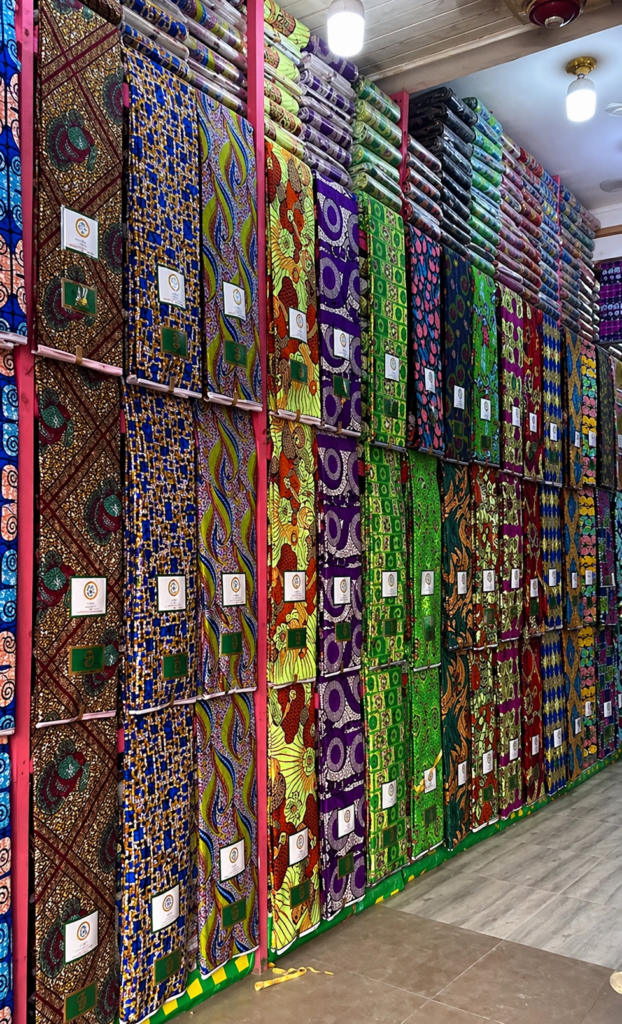
Nigeria has a $4.7–$6.1 billion fashion industry and a $3 billion annual value leakage problem because 90% of the Ankara fabric that defines its most culturally iconic textile is manufactured in China and India, sustaining Asian industrial ecosystems while Nigerian textile mills remain underutilised, defunct, or non-existent at the scale the consumer market demand would justify if the industrial policy and energy infrastructure existed to support domestic production.

The Ankara paradox is not simply a trade imbalance. It is a structural diagnosis of where Nigeria's industrialisation strategy has failed most visibly: at the intersection of a world-class consumer culture and an absent manufacturing base. Nigerian fashion designers, tailors, retailers, and stylists generate genuine economic activity and cultural output that travels globally. The upstream textile manufacturing that should sit behind that creative economy spinning, weaving, dyeing, finishing is systematically absent at commercial scale, replaced by container imports from Guangzhou and Surat.

The consequence is a fashion economy with limited industrial multiplier effect. Over 85% of supply chains bypass formal industrial manufacturing. The high-value employment in textile production the jobs that create technological capability, industrial skills, and export capacity flows to Asia. Nigeria captures the design and retail margin. China captures the manufacturing margin. On a $6 billion market, that distribution produces the $3 billion annual loss figure that represents the structural ceiling on what Nigeria's fashion economy can contribute to industrial development.

$6.1B
Nigeria Fashion Industry Estimated Value (Upper Range)
$3B
Annual Value Lost to Ankara Import Dependency
90%
Ankara Fabric Consumption Sourced from China & India
85%
Supply Chains Bypassing Formal Industrial Manufacturing

Supply Intelligence
Nigeria Ankara Market Import Dependency vs Local Production

Sources: AfDB, IMF, World Bank  •  Calculations & Modelling: Limitless Beliefs Consulting

90% Import Share How Cultural Ownership Became Manufacturing Absence

Ankara's offshore migration is not a mystery it is the predictable outcome of a cost structure comparison where Nigerian textile manufacturing has been systematically uncompetitive for decades. Lower production costs in China and India, better industrial infrastructure, access to economies of scale in dyeing and printing technology, and critically consistent and affordable energy supply have combined to make Asian Ankara manufacturers structurally advantaged over any Nigerian producer operating on diesel generators with intermittent power and expensive imported machinery.

What makes this a paradox rather than simply an industrial competitiveness problem is the cultural ownership question. Ankara is not a neutral commodity. It carries deep cultural identity across West and Central Africa particularly in Nigeria and that cultural association creates premium pricing power that would ordinarily accrue to producers with authentic cultural connection to the product. In virtually every other cultural product category globally, cultural ownership and manufacturing location coincide. In Nigerian Ankara, they are entirely disconnected. The cultural premium is real; the manufacturer collecting it is in Guangzhou.

“Nigeria has the consumer market, the cultural authority, and the designer ecosystem. It is missing the only thing that converts all three into industrial value a textile manufacturing base that can actually produce the fabric at competitive cost.”

Value Intelligence
Nigeria Fashion Economy Total Value vs Value Lost to Imports (USD Billions)

Sources: AfDB, IMF, World Bank  •  Calculations & Modelling: Limitless Beliefs Consulting

Energy, FX, Infrastructure, Policy The Four Barriers That Have No Single Fix

Nigeria's textile manufacturing competitiveness problem is structural rather than cyclical which means it cannot be resolved by any single policy intervention. It requires simultaneous progress across four distinct barrier categories that have historically resisted coordinated reform:

Barrier Intelligence
Nigerian Textile Manufacturing Structural Barriers
Energy Barrier
Diesel Generator Dependency
Industrial textile production requires consistent, affordable electricity. Nigerian manufacturers operating on diesel generators face energy costs 3–5x higher than Asian competitors with reliable grid access a cost differential that no other efficiency gain can offset.
Infrastructure Barrier
Logistics & Distribution Gaps
Inefficient port infrastructure, poor road connectivity between industrial zones and markets, and limited cold-chain logistics for fabric treatment increase input and distribution costs across every stage of the textile production process.
FX Barrier
Currency Volatility on Capital Imports
Textile machinery, dye chemicals, and specialist raw materials must be imported. Naira depreciation and FX access constraints increase the naira cost of every capital investment and imported input, making machinery upgrades and production scaling financially prohibitive.
Policy Barrier
Industrial Policy Inconsistency
Long-term textile investment requires multi-year policy predictability. Nigeria's history of abrupt tariff changes, import restriction reversals, and inconsistent industrial incentive frameworks has historically deterred the sustained capital commitment that textile manufacturing requires.

Analysis: Limitless Beliefs Consulting  •  Sources: AfDB, IFC, Afreximbank

Cost Intelligence
Nigerian Textile Manufacturing Operating Cost Structure

Sources: IFC, AfDB Industrial Data  •  Calculations & Modelling: Limitless Beliefs Consulting

Design Nexus 2030 and the Cotton-to-Garment Industrialisation Imperative

The government's Design Nexus and Destination 2030 strategy targeting Nigeria's repositioning as a global fashion hub through textile industrial parks, SME garment production support, FDI attraction, and fashion entrepreneur financing is correctly framed. The policy logic is sound: you cannot build a globally competitive fashion economy on an imported raw material base. Every element of the strategy addresses a real gap.

Afreximbank's repeated emphasis on cotton-to-garment industrialisation as the continental value capture strategy identifies exactly the same structural gap at a larger scale. Nigeria grows cotton. Nigeria consumes Ankara. The industrial infrastructure that connects those two facts ginning, spinning, weaving, printing exists in Asia rather than West Africa not because Nigerians lack the capability to operate it, but because the energy, infrastructure, and policy consistency required to make it commercially viable have not been delivered.

AfCFTA creates the market access logic for Nigerian textile investment that the domestic market alone cannot sustain. A textile manufacturer supplying the Nigerian market serves 220 million consumers. A manufacturer supplying the AfCFTA market serves 1.4 billion enough to justify the industrial scale that makes the energy and infrastructure investment worth making. That market size changes the investment thesis from marginal to compelling, if the execution environment improves.


Growth Intelligence
Nigeria Fashion Industry Value Chain Downstream Strength vs Upstream Gap

Sources: AfDB, Afreximbank Fashion Economy Data  •  Calculations & Modelling: Limitless Beliefs Consulting

Nigeria's $3 billion Ankara leakage is not a fashion industry problem it is an industrial policy failure expressed through a fashion industry lens. The creative economy is functioning. The cultural brand is powerful. The consumer market is large and growing. What is absent is the manufacturing infrastructure that converts consumer demand and cultural authority into industrial employment, export capacity, and value retention. Design Nexus 2030 and AfCFTA market access provide the policy and market framework. Energy infrastructure, FX stability, and consistent industrial policy incentives are the execution prerequisites. Nigeria has the thesis. It needs the conditions.