LIVE MARKETS
USD/NGN1,377-0.22%
USD/KES130.40+0.18%
USD/ZAR16.77+0.31%
USD/GHS11.19-0.44%
USD/EGP48.00+0.05%
|
GOLD$4,628/oz+1.15%
BRENT$69.41/bbl-0.54%
COBALT$26,800/t-1.35%
|
BTC$94,280+2.34%
ETH$3,218+1.87%
USD/NGN1,377-0.22%
GOLD$4,628/oz+1.15%
BTC$94,280+2.34%
ROAD-1
Breaking AfCFTA Secretariat: 47 of 54 member states now operational under continental free trade framework — intra-Africa trade volumes up 12% year-on-year
Home Infrastructure Gabon Targets 3,000km Road Expansion Under PNDT Push…
Infrastructure

Gabon Targets 3,000km Road Expansion Under PNDT Push to Unlock Non-Oil Growth

Author: Fatoumata Diallo Desk: Uncategorized Desk Published: April 21, 2026 Gabon is executing one of Central Africa’s most structurally ambitious infrastructure programmes targeting 3,000 km of roads and 200 bridges by 2032 under the National Transition Development Plan, with the 780 km Transgabonaise Highway at its centre, in a country where 70% of the national road network remains unpaved and that gap is the primary constraint on every economic diversification objective the government is pursuing simultaneously. With infrastructure positioned as the central pillar of Gabon’s post-oil economic transformation, the PNDT 2024–2026 prioritises strategic transport corridors, urban mobility upgrades, and rural connectivity recognising that without physical road infrastructure, the country’s mining, agriculture, and timber sectors cannot reach the markets and logistics systems that would make them internationally competitive regardless of how favourable the underlying resource endowments are. The financing architecture combines government budget allocations, multilateral funding, and technical support from the African Development Bank and World Bank a hybrid model that preserves domestic ownership of the investment agenda while accessing concessional capital and engineering standards that the national budget cannot deliver at this scale independently. 3,000 km Road Network Target by 2032 70% National Road Network Currently Unpaved $160M World Bank PADIG Urban Infrastructure Funding 780 km Transgabonaise Highway — Libreville to Franceville Infrastructure Intelligence Gabon Road Network Composition Paved vs Unpaved Sources: AfDB, IMF, World Bank  •  Calculations & Modelling: Limitless Beliefs Consulting Strategic Intelligence The Transgabonaise 780 km That Redefines Central African Logistics The Transgabonaise Highway is not a road improvement project it is a national logistics transformation. Spanning 780 km from Libreville to Franceville along a corridor that replaces the aging N1 and N3 routes, the project is designed to fundamentally restructure how goods, people, and capital move through Gabon’s interior. Reduced transit times, lower logistics costs, and supply chain integration with Gabon’s mineral and timber production zones are the cascading economic returns that justify the project’s position as the PNDT’s centrepiece. Infrastructure investment is projected to contribute between 6% and 9% of GDP with improved road access expected to reduce transportation costs by 20–30% in key corridors, particularly for mining and timber exports that currently bear excessive logistics costs relative to their global competitors operating with better-connected infrastructure. That cost differential is not a marginal efficiency issue it determines whether Gabonese resources are commercially viable at global market prices. “In Gabon, the road to economic diversification is literally a road. Until 70% of the national network is paved, every other diversification strategy is operating on sand.” Investment Intelligence PNDT Key Infrastructure Projects Relative Investment Weight Sources: AfDB Infrastructure Data  •  Calculations & Modelling: Limitless Beliefs Consulting Programme Intelligence PADIG, Alembé–Mikouyi, and the Urban-Rural Integration Thesis Urban infrastructure is receiving parallel investment through the PADIG programme, backed by approximately $160 million in World Bank funding, targeting road upgrades, drainage systems, and urban transport networks in Oyem, Lambaréné, and Franceville. These are not decorative urban improvements they are the last-mile infrastructure that determines whether the Transgabonaise corridor’s economic returns reach the cities and communities along its route or remain captured by the transport intermediaries who currently extract margin from an infrastructure deficit they did not create. The Alembé–Mikouyi road project a 300 km strategic corridor extends the connectivity thesis into Gabon’s agricultural production zones, linking rural producers directly to Libreville and improving market access in a country where agricultural supply chains have historically been disrupted by exactly the kind of road quality gap this project targets. When a farmer cannot get produce to market without absorbing a logistics cost that eliminates the margin, agriculture stagnates. Infrastructure investment of this kind is food security policy as much as it is transport policy. Economic Intelligence Transport Sector GDP Contribution Gabon (Activity Range) Sources: AfDB, World Bank  •  Calculations & Modelling: Limitless Beliefs Consulting Employment Intelligence PNDT Infrastructure Employment Impact — Direct vs Indirect Sources: AfDB, IFC Labour Data  •  Calculations & Modelling: Limitless Beliefs Consulting From a labour perspective, the infrastructure push is expected to generate 25,000–40,000 direct construction jobs alongside over 80,000 indirect jobs across materials supply, logistics, and engineering services creating a distributed employment multiplier across regions that have historically had limited formal sector employment outside the extractive industries. This aligns with Gabon’s broader national objective of building institutional capacity in construction and engineering that outlasts any individual project. Technology Intelligence Smart Transport Systems Digital Infrastructure on Physical Roads Gabon is investing in smart transport systems alongside the physical road build digital traffic monitoring, vehicle registry systems, and road safety technologies that improve operational efficiency and reduce long-term maintenance costs. This is the infrastructure layer that separates a road-building programme from an integrated transport system: physical connectivity without digital management infrastructure tends to deteriorate faster and cost more to maintain, repeating the cycle that created the 70% unpaved network in the first place. Feasibility studies for logistics upgrades including port access to Mandji Island are expected to further strengthen Gabon’s transport ecosystem by connecting the land corridor investments to maritime infrastructure that is critical for a resource-export economy whose primary markets are accessed by sea. Cost Intelligence Infrastructure Cost Structure Gabon Road Programme Sources: IFC, Afreximbank  •  Calculations & Modelling: Limitless Beliefs Consulting The cost structure of infrastructure projects in Gabon reflects a structural challenge that elevates project costs relative to global benchmarks: high import dependency for construction materials. With approximately 35% of costs allocated to materials, 25% to labour, and the remainder to machinery, logistics, and maintenance the materials premium from import dependency compounds at every stage of a 3,000 km programme. Building local materials supply chain capacity is the long-term cost reduction lever that the PNDT’s procurement strategy needs to prioritise if the programme’s unit economics are to improve across its timeline. At the continental level, Africa faces an estimated $68–$108 billion annual infrastructure financing gap. Gabon’s PNDT represents a targeted sovereign response to that gap diversifying the economy away from oil revenue dependency by building the physical infrastructure that makes diversification commercially viable rather than
By Fatoumata Diallo · April 21, 2026 · 10 min read
Gabon Targets 3,000km Road Expansion Under PNDT Push to Unlock Non-Oil Growth

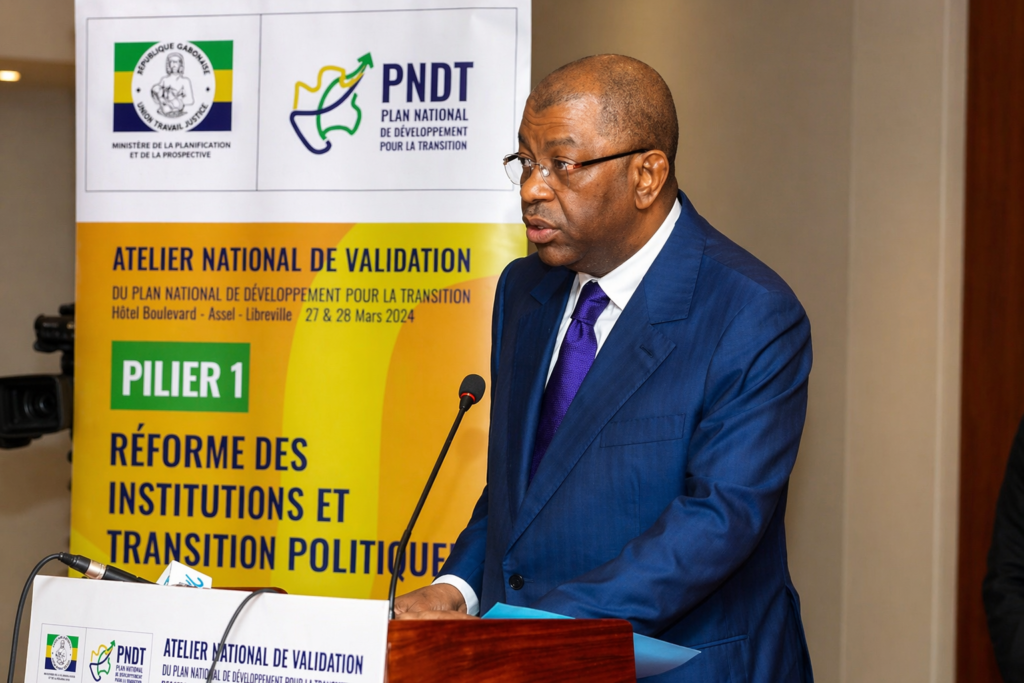
Gabon is executing one of Central Africa's most structurally ambitious infrastructure programmes targeting 3,000 km of roads and 200 bridges by 2032 under the National Transition Development Plan, with the 780 km Transgabonaise Highway at its centre, in a country where 70% of the national road network remains unpaved and that gap is the primary constraint on every economic diversification objective the government is pursuing simultaneously.

With infrastructure positioned as the central pillar of Gabon's post-oil economic transformation, the PNDT 2024–2026 prioritises strategic transport corridors, urban mobility upgrades, and rural connectivity recognising that without physical road infrastructure, the country's mining, agriculture, and timber sectors cannot reach the markets and logistics systems that would make them internationally competitive regardless of how favourable the underlying resource endowments are.

The financing architecture combines government budget allocations, multilateral funding, and technical support from the African Development Bank and World Bank a hybrid model that preserves domestic ownership of the investment agenda while accessing concessional capital and engineering standards that the national budget cannot deliver at this scale independently.

3,000
km Road Network Target by 2032
70%
National Road Network Currently Unpaved
$160M
World Bank PADIG Urban Infrastructure Funding
780 km
Transgabonaise Highway — Libreville to Franceville

Infrastructure Intelligence
Gabon Road Network Composition Paved vs Unpaved

Sources: AfDB, IMF, World Bank  •  Calculations & Modelling: Limitless Beliefs Consulting

The Transgabonaise 780 km That Redefines Central African Logistics

The Transgabonaise Highway is not a road improvement project it is a national logistics transformation. Spanning 780 km from Libreville to Franceville along a corridor that replaces the aging N1 and N3 routes, the project is designed to fundamentally restructure how goods, people, and capital move through Gabon's interior. Reduced transit times, lower logistics costs, and supply chain integration with Gabon's mineral and timber production zones are the cascading economic returns that justify the project's position as the PNDT's centrepiece.

Infrastructure investment is projected to contribute between 6% and 9% of GDP with improved road access expected to reduce transportation costs by 20–30% in key corridors, particularly for mining and timber exports that currently bear excessive logistics costs relative to their global competitors operating with better-connected infrastructure. That cost differential is not a marginal efficiency issue it determines whether Gabonese resources are commercially viable at global market prices.

“In Gabon, the road to economic diversification is literally a road. Until 70% of the national network is paved, every other diversification strategy is operating on sand.”

Investment Intelligence
PNDT Key Infrastructure Projects Relative Investment Weight

Sources: AfDB Infrastructure Data  •  Calculations & Modelling: Limitless Beliefs Consulting

PADIG, Alembé–Mikouyi, and the Urban-Rural Integration Thesis

Urban infrastructure is receiving parallel investment through the PADIG programme, backed by approximately $160 million in World Bank funding, targeting road upgrades, drainage systems, and urban transport networks in Oyem, Lambaréné, and Franceville. These are not decorative urban improvements they are the last-mile infrastructure that determines whether the Transgabonaise corridor's economic returns reach the cities and communities along its route or remain captured by the transport intermediaries who currently extract margin from an infrastructure deficit they did not create.

The Alembé–Mikouyi road project a 300 km strategic corridor extends the connectivity thesis into Gabon's agricultural production zones, linking rural producers directly to Libreville and improving market access in a country where agricultural supply chains have historically been disrupted by exactly the kind of road quality gap this project targets. When a farmer cannot get produce to market without absorbing a logistics cost that eliminates the margin, agriculture stagnates. Infrastructure investment of this kind is food security policy as much as it is transport policy.


Economic Intelligence
Transport Sector GDP Contribution Gabon (Activity Range)

Sources: AfDB, World Bank  •  Calculations & Modelling: Limitless Beliefs Consulting

Employment Intelligence
PNDT Infrastructure Employment Impact — Direct vs Indirect

Sources: AfDB, IFC Labour Data  •  Calculations & Modelling: Limitless Beliefs Consulting

From a labour perspective, the infrastructure push is expected to generate 25,000–40,000 direct construction jobs alongside over 80,000 indirect jobs across materials supply, logistics, and engineering services creating a distributed employment multiplier across regions that have historically had limited formal sector employment outside the extractive industries. This aligns with Gabon's broader national objective of building institutional capacity in construction and engineering that outlasts any individual project.

Smart Transport Systems Digital Infrastructure on Physical Roads

Gabon is investing in smart transport systems alongside the physical road build digital traffic monitoring, vehicle registry systems, and road safety technologies that improve operational efficiency and reduce long-term maintenance costs. This is the infrastructure layer that separates a road-building programme from an integrated transport system: physical connectivity without digital management infrastructure tends to deteriorate faster and cost more to maintain, repeating the cycle that created the 70% unpaved network in the first place.

Feasibility studies for logistics upgrades including port access to Mandji Island are expected to further strengthen Gabon's transport ecosystem by connecting the land corridor investments to maritime infrastructure that is critical for a resource-export economy whose primary markets are accessed by sea.


Cost Intelligence
Infrastructure Cost Structure Gabon Road Programme

Sources: IFC, Afreximbank  •  Calculations & Modelling: Limitless Beliefs Consulting

The cost structure of infrastructure projects in Gabon reflects a structural challenge that elevates project costs relative to global benchmarks: high import dependency for construction materials. With approximately 35% of costs allocated to materials, 25% to labour, and the remainder to machinery, logistics, and maintenance the materials premium from import dependency compounds at every stage of a 3,000 km programme. Building local materials supply chain capacity is the long-term cost reduction lever that the PNDT's procurement strategy needs to prioritise if the programme's unit economics are to improve across its timeline.

At the continental level, Africa faces an estimated $68–$108 billion annual infrastructure financing gap. Gabon's PNDT represents a targeted sovereign response to that gap diversifying the economy away from oil revenue dependency by building the physical infrastructure that makes diversification commercially viable rather than aspirational.

Gabon's PNDT infrastructure programme is a bet that physical connectivity is the prerequisite for everything else the country wants to achieve economically. The Transgabonaise Highway, PADIG urban investment, Alembé–Mikouyi corridor, and smart transport overlay are not four separate projects they are one integrated thesis: that you cannot diversify an economy whose producers cannot reach their markets, whose goods cannot reach their ports, and whose cities cannot function as economic hubs without roads that work. The execution challenge is real. The strategic logic is sound.


🌍
ROAD-1 Intelligence
Get port friction scores, PAPSS settlement data, FX volatility signals, and corridor analysis for the trade routes in this story.
Access ROAD-1 →