
Desk: Uncategorized Desk
Published: May 25, 2026
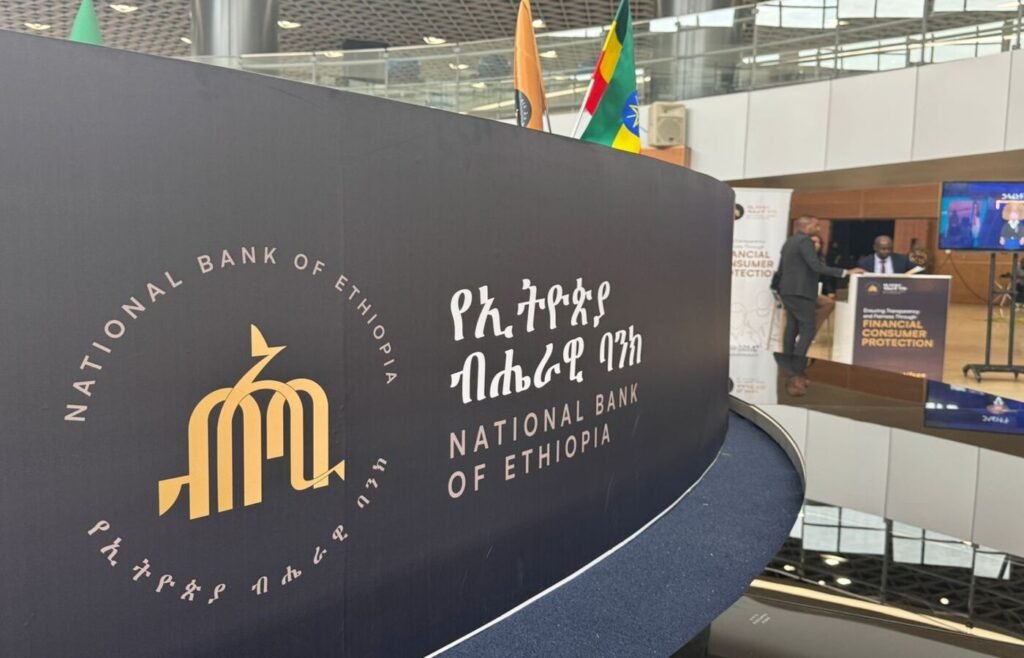
Ethiopia has launched one of the most aggressive financial liberalization reforms in modern African economic history after introducing sweeping foreign exchange reforms under Directive No. FXD/04/2026. The reforms come after the controversial floating of the Ethiopian birr and represent a dramatic effort to dismantle decades of central bank micromanagement that many investors blamed for suffocating cross-border business activity, slowing foreign direct investment (FDI), and trapping capital inside the country. For years, businesses operating in Ethiopia faced foreign currency shortages, lengthy approval processes, profit repatriation restrictions, import financing delays, and centralized banking bottlenecks. The National Bank of Ethiopia (NBE) is now attempting to reverse that system by transferring operational authority directly to commercial banks and allowing private financial institutions to manage foreign exchange transactions with far less government interference.
The directive introduces several landmark changes: 100% FX retention for service exporters (indefinite holding of foreign currency earnings), no central bank approval required for foreign investors to open foreign currency accounts, commercial bank autonomy to directly process dividend remittances and profit repatriation, forward FX contracts (Ethiopian banks can now offer hedging instruments for the first time), and external loan guarantees (private banks can issue guarantees on foreign loans up to 10% of capital base). The sectors expected to benefit most include aviation, tourism, logistics, consulting, technology exports, and industrial manufacturing.
Sources: AfDB, IMF, World Bank, National Bank of Ethiopia • Analysis: Limitless Beliefs Consulting
Why the Reform Matters From FX Crisis to Capital Magnet
Ethiopia’s economy has long suffered from a structural foreign exchange crisis despite maintaining one of Africa’s fastest growing populations and largest industrial ambitions. Many multinational corporations operating in Ethiopia struggled to access dollars, import machinery, pay suppliers abroad, repatriate profits, and finance expansion projects. This created a reputation problem for Ethiopia among international investors despite the country’s enormous market potential. The new FX framework attempts to solve this by allowing capital to move more predictably through the private banking system. Ethiopia is attempting to transition from a state controlled financial regime toward a semi market driven banking structure designed to increase investor confidence, improve liquidity flows, and reduce bureaucratic friction.
The table below summarizes the reform’s key provisions and expected economic impacts:
| Reform Provision | Old Regime | New Regime (2026) | Expected Impact |
|---|---|---|---|
| FX Retention (Service Exporters) | 30% mandatory surrender | 100% retention, indefinite | |
| Foreign Currency Account Approval | NBE authorization required | ||
| Dividend/Profit Repatriation | .\]|||
| Hedging Instruments | |||
| External Loan Guarantees |
“Ethiopia is making a calculated trade-off. The government is sacrificing short-term monetary control in exchange for long-term capital efficiency and investor confidence. The real challenge will be balancing market openness, currency stability, inflation control, and industrial competitiveness.”
Impact on GDP, Investors, and Everyday Ethiopians $8–15B Additional FDI Potential
Ethiopia’s GDP remains among the largest in East Africa, estimated above $160 billion (PPP), but foreign exchange restrictions historically slowed industrial growth and limited private sector expansion. The reforms could improve export competitiveness, FDI inflows, manufacturing output, private banking growth, job creation, and foreign investor confidence. If implementation succeeds, analysts estimate the reforms could directly or indirectly attract $8–15 billion in additional FDI by 2030, influence 500,000+ export sector jobs, create 25,000–40,000 commercial banking jobs, impact 100,000+ private sector SMEs, and potentially double foreign currency liquidity. For ordinary Ethiopians, the reforms could eventually improve access to imported goods, availability of foreign products, employment opportunities, business startup conditions, and banking efficiency. However, floating the birr also introduces inflationary risks and currency volatility, which may initially increase the cost of food imports, fuel, consumer electronics, and medicine.
Sources: AfDB, IMF, IFC, National Bank of Ethiopia • Analysis: Limitless Beliefs Consulting
Does This Strengthen or Weaken the Ethiopian State? The Sovereignty Trade-Off
One major debate surrounding the reforms is whether reducing central bank control weakens state sovereignty. Critics argue that too much liberalization risks speculative attacks on the birr, commercial banks may prioritize profit over stability, and foreign investors could gain excessive leverage. Supporters argue the previous system was economically unsustainable and trapped Ethiopia in dollar shortages, black market FX systems, capital inefficiency, and weak industrial productivity. If the reforms succeed, Ethiopia could significantly improve sovereign financial flexibility through higher export earnings, stronger banking sector liquidity, improved tax collection, higher industrial productivity, and reduced informal FX market activity. Long term, this could strengthen Ethiopia’s ability to finance infrastructure, reduce debt dependence, expand industrial policy, and build sovereign investment capacity.
Sources: LBNN Intelligence, AfDB, World Bank • Analysis: Limitless Beliefs Consulting
Which Sectors Rebound First? Logistics, Manufacturing, and Agriculture Lead
Historically, sectors that rebound first after financial liberalization and political stabilization include logistics and transport (immediate FX availability for fuel and spares), agriculture and food processing (export earnings potential), industrial manufacturing (machinery imports become viable), and mining and resource extraction (capital-intensive imports). Private capital typically flows first toward sectors capable of generating foreign currency quickly export oriented manufacturing, agro-processing, and logistics. If the birr stabilizes over time and the banking reforms remain credible, Ethiopia could become one of Africa’s largest industrial and export economies by the mid-2030s. The strongest long-term winners may not be foreign investors alone, but Ethiopian-owned enterprises that integrate into global supply chains through improved access to foreign exchange for imported inputs and technology.
Sources: ILO, AfDB, National Bank of Ethiopia • Analysis: Limitless Beliefs Consulting
Bottom Line: Ethiopia’s Directive No. FXD/04/2026 represents one of the most consequential financial liberalization efforts in modern African history dismantling central bank controls that have long choked private sector growth. 100% FX retention, no central bank approval for foreign currency accounts, commercial bank autonomy for repatriation, and the introduction of hedging instruments collectively signal a shift from state-controlled finance toward semi market driven banking. The potential payoff is substantial: $8–15 billion in additional FDI by 2030, 500,000+ export sector jobs, and a doubling of foreign currency liquidity. But the risks are equally real: inflationary pressure from birr float, speculative attacks, and the challenge of balancing openness with stability. Ethiopia is betting that disciplined capital will outperform trapped capital. If the reforms hold and security stabilizes, the country could emerge as East Africa’s premier industrial and export economy. If implementation falters, the FX revolution will be remembered as another false dawn. The next 24 months will be decisive.