
LIVE MARKETS
USD/NGN1,377-0.22%
USD/KES130.40+0.18%
USD/ZAR16.77+0.31%
USD/GHS11.19-0.44%
USD/EGP48.00+0.05%
|
GOLD$4,628/oz+1.15%
BRENT$69.41/bbl-0.54%
COBALT$26,800/t-1.35%
|
BTC$94,280+2.34%
ETH$3,218+1.87%
USD/NGN1,377-0.22%
GOLD$4,628/oz+1.15%
BTC$94,280+2.34%
ROAD-1
Breaking AfCFTA Secretariat: 47 of 54 member states now operational under continental free trade framework — intra-Africa trade volumes up 12% year-on-year
Home Real Estate Devtraco CEO on $104 Million Revenue Milestone and…
Real Estate

Devtraco CEO on $104 Million Revenue Milestone and Thousands of Jobs Created in Ghana’s Affordable Housing Boom

Author: Bandile Mosarwa Desk: Uncategorized Desk Published: April 11, 2026 Devtraco Limited, one of Ghana’s leading real estate developers, has reported approximately $104 million in revenue for FY2025 reinforcing its position within a housing market defined by structural deficits, rising urban demand, and an employment multiplier effect that extends far beyond the construction site. The company’s growth reflects broader macroeconomic dynamics highlighted in the African Development Bank (AfDB) African Economic Outlook 2025, which identifies housing shortages in West Africa as a key driver of private sector expansion and employment creation. Ghana’s housing sector is under sustained pressure from rapid urbanisation, population growth, and limited access to affordable housing finance. Estimates from the AfDB and World Bank indicate that Ghana faces a housing deficit exceeding 1.8 to 2 million units, with demand continuing to outpace supply. This imbalance has created a structural opportunity for private developers to scale operations while addressing a critical economic gap. $104M Devtraco FY2025 Revenue 2M+ Ghana Housing Deficit (Units) <5% Mortgage Penetration (% of GDP) Real Estate Intelligence Housing Deficit vs. Urban Population Growth in Ghana Sources: AfDB African Economic Outlook 2025, World Bank Urban Development Data  •  Calculations & Modelling: Limitless Beliefs Consulting Structural Intelligence A Deficit That Urbanisation Is Widening The widening gap between housing supply and urban population growth reinforces the structural demand underpinning developers such as Devtraco. As cities expand, the need for formal housing continues to increase particularly in segments accessible to middle-income households in Accra, Tema, and surrounding peri-urban corridors. Devtraco’s business model focused on planned communities and scalable housing developments aligns directly with institutional recommendations that emphasise private sector participation in closing Africa’s housing deficit. The company’s FY2025 performance demonstrates that demand-side pressure is translating into commercially viable revenue at scale. “Housing is not merely a real estate issue it is a core component of economic systems linked to employment, industrial demand, financial markets, and urban productivity.” Fiscal Intelligence The Macroeconomic Variables at Play From an economic intelligence perspective, housing development intersects with multiple macroeconomic variables. Construction activity contributes directly to GDP, while also influencing inflation through material costs such as cement, steel, and imported fixtures. Ghana’s inflation trends driven partly by currency depreciation and import costs affect both developer margins and housing affordability for end buyers. The International Monetary Fund (IMF) has highlighted Ghana’s recent macroeconomic adjustments, including fiscal consolidation and currency stabilisation efforts, as critical to restoring investor confidence. These factors directly influence the cost of financing for real estate projects, particularly in a sector that relies heavily on long-term capital. Currency volatility also plays a structural role. The Ghanaian cedi’s fluctuations impact the cost of imported building materials, which can account for a significant portion of total project costs introducing pricing uncertainty and compressing affordability for end buyers. Employment Intelligence Economic Impact of Housing Development Employment Multiplier Sources: AfDB Housing & Employment Multipliers  •  Calculations & Modelling: Limitless Beliefs Consulting Labour Market Intelligence Thousands of Jobs Beyond the Construction Site According to the AfDB, housing construction carries one of the highest employment multipliers within the African economy. Each housing unit developed generates direct and indirect jobs across construction, materials supply, logistics, and services a dynamic particularly relevant in Ghana, where youth unemployment and underemployment remain persistent structural challenges. The employment multiplier effect extends well beyond on-site labour. Projects generate sustained demand across industries, reinforcing housing development’s role as a broad-based economic catalyst rather than a narrow sectoral activity. However, structural constraints remain. Land acquisition processes, regulatory approvals, and infrastructure deficits particularly in water, roads, and electricity continue to affect project timelines and cost structures. These challenges are consistent with AfDB findings that emphasise the need for coordinated infrastructure investment alongside housing development. Capital Markets Intelligence The Financing Gap That Constrains Scale Devtraco’s expansion also reflects the structural shifts in how housing is financed and delivered across Ghana. Limited mortgage penetration estimated at below 5% of GDP by World Bank housing finance data means developers often rely on alternative financing models, including instalment-based purchases and partnerships with financial institutions. This financing gap has direct implications for scalability. While demand remains high, the ability to convert demand into completed housing units is constrained by access to affordable credit. Institutional reports consistently identify housing finance as one of the largest bottlenecks in Africa’s real estate sector a bottleneck that policy reform and capital market deepening must address if the deficit is to close at pace. Devtraco’s $104 million revenue milestone extends beyond firm-level performance. It reflects the scaling of private sector participation in a sector historically constrained by public financing limitations. As demographic pressure, urban expansion, and structural deficits drive sustained demand, the role of developers in shaping Ghana’s urban growth and economic activity will only expand. Housing is sovereign infrastructure. The capital that builds it builds the economy.

By Bandile Mosarwa · April 11, 2026 · 8 min read
Devtraco CEO on $104 Million Revenue Milestone and Thousands of Jobs Created in Ghana’s Affordable Housing Boom

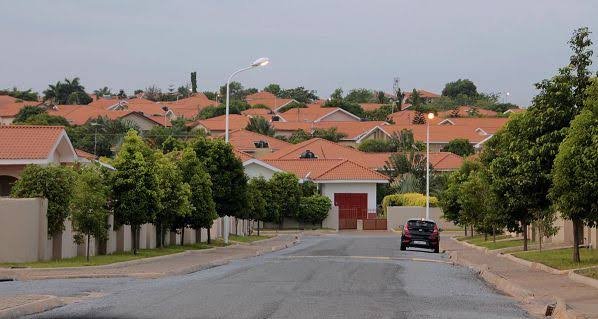
Devtraco Limited, one of Ghana's leading real estate developers, has reported approximately $104 million in revenue for FY2025 reinforcing its position within a housing market defined by structural deficits, rising urban demand, and an employment multiplier effect that extends far beyond the construction site.

The company's growth reflects broader macroeconomic dynamics highlighted in the African Development Bank (AfDB) African Economic Outlook 2025, which identifies housing shortages in West Africa as a key driver of private sector expansion and employment creation.

Ghana's housing sector is under sustained pressure from rapid urbanisation, population growth, and limited access to affordable housing finance. Estimates from the AfDB and World Bank indicate that Ghana faces a housing deficit exceeding 1.8 to 2 million units, with demand continuing to outpace supply. This imbalance has created a structural opportunity for private developers to scale operations while addressing a critical economic gap.

$104M
Devtraco FY2025 Revenue
2M+
Ghana Housing Deficit (Units)
<5%
Mortgage Penetration (% of GDP)

Real Estate Intelligence
Housing Deficit vs. Urban Population Growth in Ghana

Sources: AfDB African Economic Outlook 2025, World Bank Urban Development Data  •  Calculations & Modelling: Limitless Beliefs Consulting

A Deficit That Urbanisation Is Widening

The widening gap between housing supply and urban population growth reinforces the structural demand underpinning developers such as Devtraco. As cities expand, the need for formal housing continues to increase particularly in segments accessible to middle-income households in Accra, Tema, and surrounding peri-urban corridors.

Devtraco's business model focused on planned communities and scalable housing developments aligns directly with institutional recommendations that emphasise private sector participation in closing Africa's housing deficit. The company's FY2025 performance demonstrates that demand-side pressure is translating into commercially viable revenue at scale.

“Housing is not merely a real estate issue it is a core component of economic systems linked to employment, industrial demand, financial markets, and urban productivity.”

The Macroeconomic Variables at Play

From an economic intelligence perspective, housing development intersects with multiple macroeconomic variables. Construction activity contributes directly to GDP, while also influencing inflation through material costs such as cement, steel, and imported fixtures. Ghana's inflation trends driven partly by currency depreciation and import costs affect both developer margins and housing affordability for end buyers.

The International Monetary Fund (IMF) has highlighted Ghana's recent macroeconomic adjustments, including fiscal consolidation and currency stabilisation efforts, as critical to restoring investor confidence. These factors directly influence the cost of financing for real estate projects, particularly in a sector that relies heavily on long-term capital.

Currency volatility also plays a structural role. The Ghanaian cedi's fluctuations impact the cost of imported building materials, which can account for a significant portion of total project costs introducing pricing uncertainty and compressing affordability for end buyers.


Employment Intelligence
Economic Impact of Housing Development Employment Multiplier

Sources: AfDB Housing & Employment Multipliers  •  Calculations & Modelling: Limitless Beliefs Consulting

Thousands of Jobs Beyond the Construction Site

According to the AfDB, housing construction carries one of the highest employment multipliers within the African economy. Each housing unit developed generates direct and indirect jobs across construction, materials supply, logistics, and services a dynamic particularly relevant in Ghana, where youth unemployment and underemployment remain persistent structural challenges.

The employment multiplier effect extends well beyond on-site labour. Projects generate sustained demand across industries, reinforcing housing development's role as a broad-based economic catalyst rather than a narrow sectoral activity.

However, structural constraints remain. Land acquisition processes, regulatory approvals, and infrastructure deficits particularly in water, roads, and electricity continue to affect project timelines and cost structures. These challenges are consistent with AfDB findings that emphasise the need for coordinated infrastructure investment alongside housing development.


The Financing Gap That Constrains Scale

Devtraco's expansion also reflects the structural shifts in how housing is financed and delivered across Ghana. Limited mortgage penetration estimated at below 5% of GDP by World Bank housing finance data means developers often rely on alternative financing models, including instalment-based purchases and partnerships with financial institutions.

This financing gap has direct implications for scalability. While demand remains high, the ability to convert demand into completed housing units is constrained by access to affordable credit. Institutional reports consistently identify housing finance as one of the largest bottlenecks in Africa's real estate sector a bottleneck that policy reform and capital market deepening must address if the deficit is to close at pace.

Devtraco's $104 million revenue milestone extends beyond firm-level performance. It reflects the scaling of private sector participation in a sector historically constrained by public financing limitations. As demographic pressure, urban expansion, and structural deficits drive sustained demand, the role of developers in shaping Ghana's urban growth and economic activity will only expand. Housing is sovereign infrastructure. The capital that builds it builds the economy.


🌍
ROAD-1 Intelligence
Get port friction scores, PAPSS settlement data, FX volatility signals, and corridor analysis for the trade routes in this story.
Access ROAD-1 →