
• Business
  • Energy
  • Markets
  • Intelligence
    • Policy Intelligence
    • Infrastructure
    • Fashion Intelligence
    • Economic Intelligence
    • Security Intelligence
  • ROAD-1
  • Technology
  • Politics
  • LBNN Blueprints
  • Business
  • Energy
  • Markets
  • Intelligence
    • Policy Intelligence
    • Infrastructure
    • Fashion Intelligence
    • Economic Intelligence
    • Security Intelligence
  • ROAD-1
  • Technology
  • Politics
  • LBNN Blueprints
LIVE MARKETS
Initializing...
Home Infrastructure

 Africa’s Ports Are Competing for Trade Volume But Congestion Costs Are Eroding Their Competitiveness

Fatoumata Diallo by Fatoumata Diallo
March 31, 2026
in Infrastructure
0
 Africa’s Ports Are Competing for Trade Volume But Congestion Costs Are Eroding Their Competitiveness
0
SHARES
1
VIEWS
Share on FacebookShare on Twitter

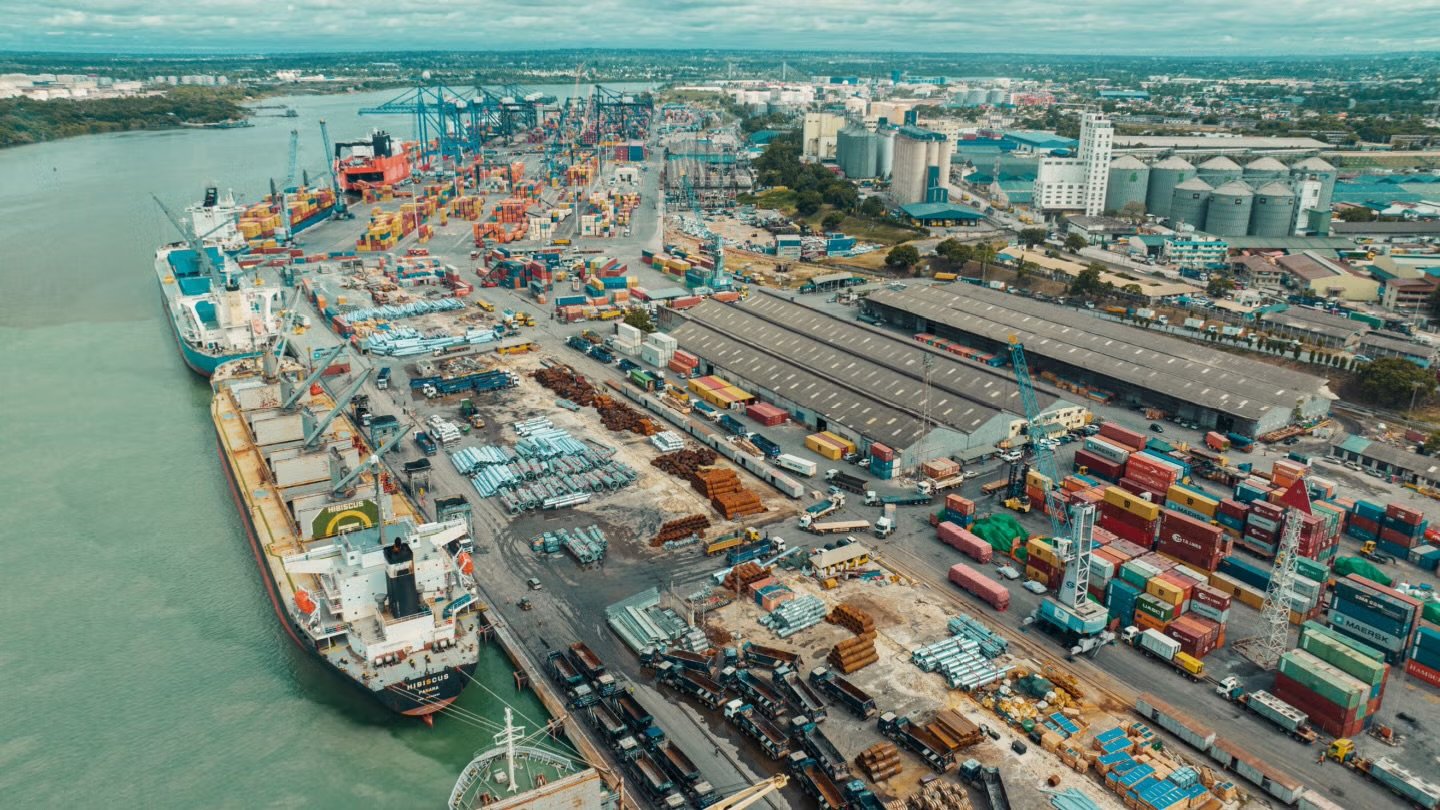
Port infrastructure is the entry point of Africa's participation in global trade. The efficiency, capacity, and reliability of African ports directly determine the competitiveness of imports and exports, the cost of supply chains, and the attractiveness of coastal economies as logistics hubs. Across the continent, significant new capacity is being developed but operational efficiency remains the defining constraint on port competitiveness.

Congestion as a Structural Cost

Extended container dwell times at major African ports averaging significantly above global benchmarks at Apapa (Lagos), Mombasa, and Dar es Salaam represent a structural cost embedded in the price of every import and export moving through these facilities. Dwell time costs include storage charges, demurrage, delayed working capital release, and the uncertainty premium that importers and exporters build into their logistics planning.

The causes are systemic: documentation processing delays, inspection bottlenecks, inadequate inland connectivity, and governance challenges that cannot be resolved through terminal investment alone.

New Capacity and the Governance Gap

New terminal developments including Lekki Deep Sea Port in Nigeria and the ongoing expansion of Mombasa add physical capacity but do not automatically resolve operational efficiency deficits. Where customs procedures, port community systems, and inland logistics infrastructure have not been modernised in parallel, new terminal capacity underperforms relative to design throughput.

Port Concessions and Private Sector Performance

Private sector concessions have generally improved terminal productivity at specific berths — container handling rates, crane performance, and vessel turnaround times have improved at concession-operated terminals in several markets. However, concession boundaries often do not extend to the inland logistics or customs processes that drive overall dwell time limiting the efficiency gains achievable through private terminal management alone.

The Regional Hub Competition

Ports including Tangier Med (Morocco), Djibouti, and Lomé (Togo) have positioned themselves as regional transshipment hubs serving markets beyond their immediate hinterlands. This competition for transshipment volume creates an incentive for efficiency improvement ports that cannot compete on turnaround time and reliability lose transshipment business to more capable alternatives.

Trade Economics and the Investment Case

Port infrastructure investment delivers its highest economic return when paired with customs modernisation, inland logistics development, and governance reform. The investment case for African port development is structurally strong given trade volume growth projections but the return on capital deployed will be determined as much by operational reform as by physical construction.


Tags: Africa PortsContainer TerminalsDar es SalaamLagos PortMombasa PortPort CompetitivenessPort ConcessionsPort InfrastructureShipping AfricaTags: Africa PortsTrade Logistics
Previous Post

Kenya’s SGR Was Built to Transform Freight The Numbers Tell a More Complicated Story

Next Post

Bank of Kigali’s Expansion Strategy Reflects Rwanda’s Push to Become a Regional Financial Hub

Next Post
Bank of Kigali’s Expansion Strategy Reflects Rwanda’s Push to Become a Regional Financial Hub

Bank of Kigali’s Expansion Strategy Reflects Rwanda’s Push to Become a Regional Financial Hub

Leave a Reply Cancel reply

Your email address will not be published. Required fields are marked *

POPULAR NEWS

  • Wagner’s $2.8B Africa Exit Creates Private Military Gold Rush as Regional Powers Scramble

    Wagner’s $2.8B Africa Exit Creates Private Military Gold Rush as Regional Powers Scramble

    0 shares
    Share 0 Tweet 0
  • African Luxury Fashion Market Hits $2.8B Valuation as International Investors Circle Premium Brands

    1 shares
    Share 0 Tweet 0
  • African Eurobond Spreads Narrow to 18-Month Lows as Investor Appetite Surges in March 2026

    0 shares
    Share 0 Tweet 0
  • AfCFTA Three Years In: Trade Volumes Rise 34% But Non-Tariff Barriers Still Cost Africa $68 Billion Annually

    1 shares
    Share 0 Tweet 0
  • Red Sea Crisis Adds $2.8 Billion to East African Trade Costs as Alternative Routes Reshape Continental Commerce

    1 shares
    Share 0 Tweet 0

Get strategic intelligence you won’t find anywhere else. Subscribe to the Limitless Beliefs Newsletter for monthly insights on overlooked business opportunities across Africa.

Subscription Form

© 2026 LBNN – All rights reserved.

Privacy Policy | About Us | Contact

Tiktok Youtube Telegram Instagram Linkedin X-twitter
No Result
View All Result
  • Home
  • Business
  • Politics
  • Markets
  • Crypto
  • Finance
  • Energy
  • Wealth Management
  • Taxes
  • Telecoms
  • Careers
  • Technology
  • Artificial Intelligence
  • Investigative journalism
  • LBNN Blueprints
  • Quizzes
    • Enneagram quiz
  • Fashion Intelligence

© 2026 JNews - Premium WordPress news & magazine theme by Jegtheme.