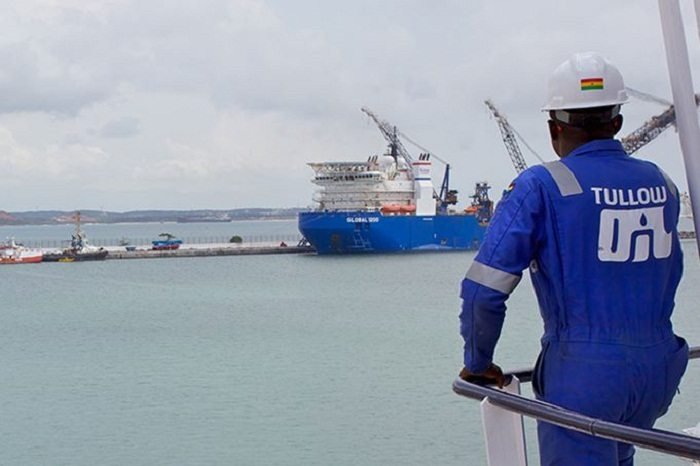
Tullow Oil's Jubilee and TEN (Tweneboa-Enyenra-Ntomme) fields offshore Ghana represented, when first developed, one of the most celebrated independent oil company success stories of the twenty-first century. Jubilee discovered in 2007 and brought to first oil in 2010 in record development time demonstrated that deep water offshore West Africa could be developed by an independent operator without the balance sheet of a super major. The peak of that success has passed. In 2026, Tullow is managing maturing assets with declining production rates, a debt structure that reflects the capital intensity of its development phase, and an operating cost base that requires sustained operational discipline to remain competitive against the revenue generated by fields past their peak output years.
The Production Trajectory
Jubilee field production has declined from peak rates the result of natural reservoir depletion that is inherent in any mature oil field's production profile. Tullow and its partners including Kosmos Energy, Aker Energy, and the Ghana National Petroleum Corporation have invested in infill drilling programmes and reservoir management interventions designed to slow the decline rate and maximize recovery from the existing field infrastructure. These interventions are commercially rational but capital intensive, and their economic return depends on oil price assumptions that remain volatile.
The TEN fields, which came online later than Jubilee and at higher development cost, have also experienced production challenges including lower-than-projected reservoir connectivity in certain areas and the operational complexity of managing multiple reservoir systems through shared infrastructure. The TEN development economics have been a persistent source of investor concern, as the combination of elevated operating costs and lower production has compressed the margin contribution relative to initial project economics.
Debt Management and Balance Sheet Constraints
Tullow entered a debt restructuring process in 2020 following the combination of production challenges, oil price collapse, and the accumulated leverage of its development programme. The restructured debt package negotiated with a lending group that included major international banks and credit funds provided Tullow with the financial runway to continue operating its assets while managing obligations on a timetable that production cash flows could support.
The debt structure constrains Tullow's strategic flexibility: significant capital expenditure beyond maintenance and near-term production programmes requires either additional debt capacity limited by existing leverage or equity funding that would be dilutive at current share price levels. This balance sheet constraint is the primary reason Tullow has not been able to pursue the exploration and appraisal activity that would organically extend its asset life beyond the current producing fields.
The Ghana Government Relationship
Tullow's relationship with the Ghanaian government through the Ghana National Petroleum Corporation as a carried interest partner and through the Petroleum Commission as regulator is a significant operational variable. Ghana's government has a direct economic interest in maximising production from the Jubilee and TEN fields, given the fiscal revenue and foreign exchange earnings they generate. This alignment of interest generally supports productive engagement, but contract interpretation disputes and cost recovery disagreements between operators and national oil companies are a feature of production sharing contracts globally, and Ghana is not exempt from this dynamic.
Strategic Options in a Mature Asset Portfolio
Tullow's strategic options with its Ghana assets are structurally limited but not absent. Partial divestment to a partner willing to provide development capital in exchange for working interest could reduce Tullow's cost exposure while maintaining an operating position. A merger or acquisition by a larger operator which would provide the balance sheet scale to optimize the existing asset base and fund incremental exploration has been discussed in market commentary for several years. The emergence of an active West African M&A market among oil producing assets creates a backdrop against which Tullow's strategic choices are being evaluated with increasing urgency.