Sonangol generated approximately $10.9 billion in revenue in 2023, reinforcing its position as one of Africa’s most strategically significant state-owned energy companies. Yet scale alone is no longer a sufficient advantage. The company is operating within a tightening structural environment defined by declining oil output, rising capital intensity, and shifting global demand patterns.
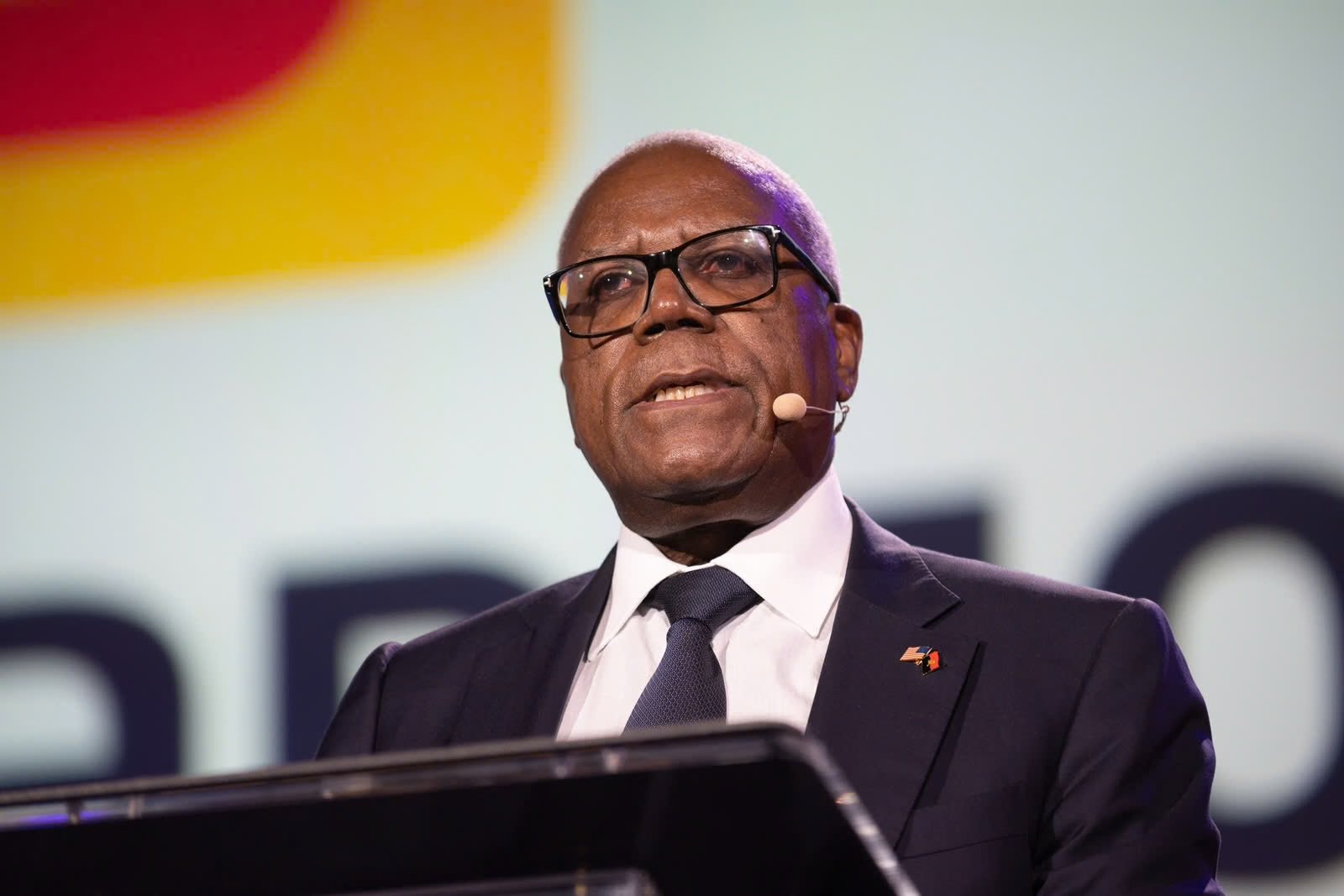
Under CEO Sebastião Gaspar Martins, Sonangol is undergoing a transformation that reflects a broader recalibration across African oil economies where institutional reform, capital discipline, and diversification are becoming central to long-term viability.
Declining Output and Structural Constraints
Angola’s oil production has stabilized at approximately 1.1 to 1.2 million barrels per day in recent years, according to data from the National Oil, Gas and Biofuels Agency (ANPG, 2024 sector report). However, the majority of producing assets are mature offshore fields, where natural decline rates continue to erode output.
This presents a structural imbalance. Oil accounts for roughly 90% of Angola’s exports and a substantial share of fiscal revenue (International Monetary Fund, Angola Article IV Consultation 2024). Maintaining production levels therefore requires sustained upstream investment, even as global capital shifts toward lower-carbon energy systems.
The result is a capital paradox: Angola must invest heavily in oil to preserve revenues, while global markets increasingly price long-term oil demand uncertainty into financing decisions.
Refining Expansion and Capital Reallocation
Sonangol’s strategy includes a renewed focus on downstream capacity, most notably the Lobito refinery project, which is expected to process up to 200,000 barrels per day upon completion (African Development Bank, African Economic Outlook 2024).
This shift reflects a broader attempt to capture more value domestically rather than relying on crude exports. Angola currently imports a significant share of refined petroleum products, exposing the economy to external price volatility and foreign exchange pressure.
However, refinery expansion introduces new financial constraints. Large-scale downstream projects require long-term capital commitments, often financed through external borrowing. Angola’s public debt remains elevated, with debt-to-GDP ratios exceeding 60% in recent years (IMF, 2024).
For Sonangol, this creates a dual challenge: funding expansion while maintaining balance sheet stability in a higher interest rate environment.
Diversification into Strategic Minerals
Beyond oil, Sonangol has begun expanding into critical minerals, including lithium and rare earth elements. This reflects a strategic alignment with global energy transition dynamics, where demand for battery inputs is expected to increase significantly over the coming decades.
The African Development Bank estimates that Africa holds approximately 30% of the world’s mineral reserves critical to energy transition technologies (AfDB, African Natural Resources Centre Report 2023).
For Sonangol, diversification is less about optional growth and more about long-term risk mitigation. Oil revenues remain dominant, but the trajectory of global energy systems suggests that reliance on a single commodity will become increasingly fragile.
Institutional Reform and Market Positioning
The separation of Sonangol’s regulatory and commercial roles has been one of the most consequential reforms in Angola’s energy sector. The creation of ANPG as an independent concessionaire has shifted Sonangol toward a more conventional national oil company structure focused on operational efficiency.
This institutional restructuring aligns Angola more closely with international governance standards, improving transparency and investor confidence. Multinational oil companies continue to play a central role in Angola’s upstream sector, and regulatory clarity remains a key determinant of capital inflows.
At the same time, Angola has signaled intentions to partially privatize Sonangol, with potential listings aimed at improving capital access and operational discipline (Government of Angola Privatization Program, PROPRIV 2023–2026).
A System Under Pressure, Not Collapse
Sonangol’s trajectory illustrates a broader structural reality across African resource economies. The challenge is no longer simply extracting hydrocarbons, but managing the economic system built around them.
Production decline, fiscal dependence, and global energy transition pressures are converging simultaneously. Institutional reform and diversification are not guarantees of stability they are mechanisms for navigating an increasingly complex operating environment.
What is emerging is not a declining oil sector, but a more constrained one, where efficiency, governance, and capital allocation determine whether scale translates into sustained economic relevance.
Sources: Sonangol Annual Report 2023; International Monetary Fund (Angola Article IV Consultation, 2024); African Development Bank (African Economic Outlook, 2024); African Development Bank Natural Resources Centre Report 2023; ANPG Sector Report 2024; Government of Angola PROPRIV Program 2023–2026.