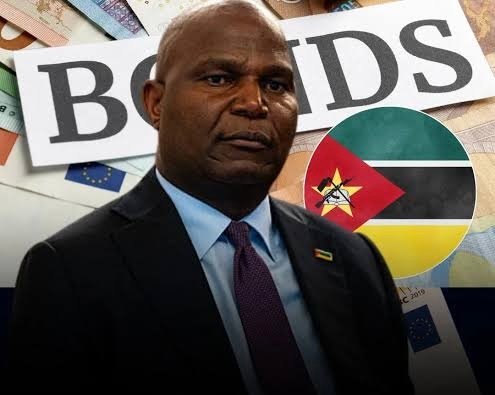
Mozambique’s decision to fully repay its outstanding obligations to the International Monetary Fund (IMF) ahead of schedule has drawn attention across financial markets, not for its scale alone, but for its timing.
The repayment, originally scheduled to run through 2029, was executed early effectively clearing the country’s existing IMF credit exposure. While the move signals fiscal intent and a shift in debt management strategy, it also introduces new pressures on Mozambique’s external position.
According to government and market estimates, the repayment is expected to reduce Mozambique’s foreign exchange reserves by approximately $650 million to $700 million.
Debt Reduction vs Liquidity Trade-Off
At a surface level, early repayment reduces sovereign debt obligations and may improve Mozambique’s credit profile. Lower exposure to IMF credit can signal a willingness to manage liabilities proactively, potentially strengthening investor perception.
However, this benefit comes with a trade-off. Foreign exchange reserves serve as a critical buffer for external shocks, particularly in economies with limited export diversification.
By deploying reserves for debt repayment, Mozambique is effectively exchanging one form of financial obligation for another type of vulnerability reduced liquidity.
This creates a strategic tension:
• Lower debt exposure
• Reduced FX buffer against external shocks
The balance between these factors will shape the country’s near-term financial stability.
Why the Move Surprised Analysts
The decision to accelerate repayment surprised analysts given Mozambique’s broader macroeconomic context. The country continues to face structural challenges, including debt sustainability concerns, fiscal pressures, and exposure to commodity and climate-related shocks.
According to IMF and World Bank assessments, Mozambique’s public debt remains elevated relative to its economic capacity, while liquidity constraints persist.
In this context, early repayment is not a conventional move. Typically, countries in similar positions prioritize reserve preservation to maintain external stability.
The choice to repay ahead of schedule suggests a deliberate strategic signal rather than a purely financial calculation.
Signaling to Markets and Institutions
One interpretation of the repayment is that it serves as a signal to both markets and multilateral institutions.
By clearing its outstanding IMF credit, Mozambique may be attempting to reset its financial relationship with the Fund positioning itself for a new program under revised terms.
Government statements indicate that Mozambique remains open to negotiating a new IMF arrangement, suggesting that the repayment does not represent a disengagement, but rather a recalibration.
This approach could provide several advantages:
• Greater flexibility in negotiating future program conditions
• Improved perception of fiscal discipline
• A cleaner balance sheet entering new negotiations
However, these potential benefits depend on how markets and institutions interpret the move.
FX Reserves and External Stability
The reduction in foreign exchange reserves is a critical factor in assessing the impact of the repayment.
FX reserves play a central role in:
• Supporting currency stability
• Financing imports
• Managing external debt obligations
A decline of $650–700 million represents a meaningful adjustment, particularly for an economy with limited reserve buffers.
The IMF has consistently emphasized the importance of maintaining adequate reserve levels to mitigate external risks.
For Mozambique, the key question is whether remaining reserves are sufficient to absorb potential shocks, including fluctuations in export revenues or changes in global financial conditions.
Structural Context: LNG and Future Revenue Streams
Mozambique’s medium-term outlook is closely tied to its liquefied natural gas (LNG) sector, which is expected to generate significant export revenues once projects reach full production.
These anticipated inflows could strengthen the country’s external position and offset current liquidity pressures.
However, the timing and scale of these revenues remain uncertain, influenced by project timelines, security conditions, and global energy markets.
Until these revenues materialize, Mozambique remains dependent on existing reserves and external financing.
Policy Implications and Next Steps
The early repayment places Mozambique at a strategic crossroads. The government must now manage the implications of reduced reserves while pursuing its broader economic objectives.
Key priorities include:
• Maintaining macroeconomic stability
• Securing external financing on favorable terms
• Supporting economic growth and diversification
Negotiations with the IMF will likely play a central role in this process, shaping the country’s policy framework and access to financing.
Structural Outlook: Reset or Rebalancing?
Mozambique’s early IMF repayment can be viewed as part of a broader effort to recalibrate its economic strategy. Rather than signaling a break from multilateral engagement, it appears to reflect an attempt to renegotiate the terms of that engagement.
The move highlights a key dynamic in sovereign finance: the trade-off between debt reduction and liquidity management.
Whether this strategy proves effective will depend on execution particularly the country’s ability to maintain stability while securing new sources of financing.
For now, Mozambique has reduced one form of exposure, but in doing so, it has increased another.
The outcome will depend on how effectively it navigates this transition.