
• Business
  • Energy
  • Markets
  • Intelligence
    • Policy Intelligence
    • Infrastructure
    • Fashion Intelligence
    • Economic Intelligence
    • Security Intelligence
  • ROAD-1
  • Technology
  • Politics
  • LBNN Blueprints
  • Business
  • Energy
  • Markets
  • Intelligence
    • Policy Intelligence
    • Infrastructure
    • Fashion Intelligence
    • Economic Intelligence
    • Security Intelligence
  • ROAD-1
  • Technology
  • Politics
  • LBNN Blueprints
LIVE MARKETS
Initializing...
Home Business

Moniepoint Surpasses $17 Billion in Annualized Transaction Volume as Nigeria’s Agency Banking Model Scales Rapidly

Chukwuemeka Okeoma by Chukwuemeka Okeoma
March 30, 2026
in Business
0
Moniepoint Surpasses $17 Billion in Annualized Transaction Volume as Nigeria’s Agency Banking Model Scales Rapidly
0
SHARES
2
VIEWS
Share on FacebookShare on Twitter

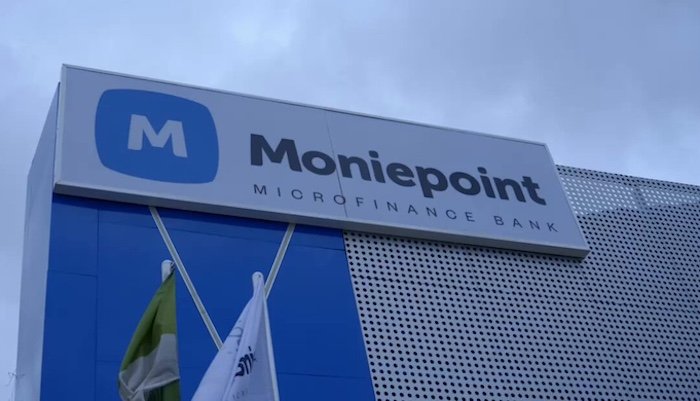
Moniepoint Inc. is emerging as one of Nigeria’s most significant financial infrastructure providers, processing billions in transaction volume annually through its rapidly expanding agency banking network.


The company, formerly known as TeamApt, has scaled its operations across Nigeria by focusing on underserved segments of the financial system particularly small merchants and informal businesses. According to company disclosures and industry estimates, Moniepoint now processes over $17 billion in annualized transaction volume, placing it among the largest fintech platforms in West Africa.


Agent Banking as Infrastructure, Not Just Distribution


Unlike traditional banks, Moniepoint operates through a decentralized network of agents, providing payment services, cash-in/cash-out functionality, and merchant tools. This model aligns with broader financial inclusion strategies promoted by the Central Bank of Nigeria (CBN) and institutions such as the World Bank.


The World Bank estimates that over 40% of adults in Sub-Saharan Africa remain unbanked, despite significant progress over the last decade. Agent banking has emerged as one of the most effective mechanisms for bridging this gap, particularly in rural and peri-urban areas.


Revenue Growth Driven by Transaction Density


Moniepoint’s growth is not solely dependent on user acquisition, but on increasing transaction density per agent. By focusing on high-frequency use cases such as retail payments, bill settlements, and SME transactions the company has been able to generate recurring revenue streams.


This approach mirrors successful models seen in East Africa, particularly Kenya’s M-Pesa ecosystem, which has demonstrated how transaction-based revenue can scale sustainably across large populations.


Regulatory Alignment and Market Expansion


Regulatory support has played a role in the company’s expansion. The Central Bank of Nigeria has continued to promote cashless policies, while maintaining oversight of mobile money operators and fintech platforms.


At the same time, competition is intensifying. Companies such as OPay and PalmPay are also expanding aggressively, backed by significant capital injections and international investors.


Structural Implications for Nigeria’s Financial System


The rise of platforms like Moniepoint reflects a broader structural shift in Nigeria’s financial system from centralized banking institutions toward distributed financial infrastructure.


As digital payment adoption increases, the distinction between banks, fintechs, and telecommunications companies continues to blur, creating a more competitive and interconnected financial ecosystem.


Tags: African paymentsagency bankingfinancial inclusionMoniepointNigeria fintech
Previous Post

Lekki Deep Sea Port Is Nigeria’s Most Important Infrastructure Bet The Question Is Whether the System Around It Can Deliver

Next Post

Piracy Incidents in Gulf of Guinea Decline 60% as Regional Naval Cooperation Strengthens Maritime Security

Next Post
Piracy Incidents in Gulf of Guinea Decline 60% as Regional Naval Cooperation Strengthens Maritime Security

Piracy Incidents in Gulf of Guinea Decline 60% as Regional Naval Cooperation Strengthens Maritime Security

Leave a Reply Cancel reply

Your email address will not be published. Required fields are marked *

POPULAR NEWS

  • Wagner’s $2.8B Africa Exit Creates Private Military Gold Rush as Regional Powers Scramble

    Wagner’s $2.8B Africa Exit Creates Private Military Gold Rush as Regional Powers Scramble

    0 shares
    Share 0 Tweet 0
  • African Luxury Fashion Market Hits $2.8B Valuation as International Investors Circle Premium Brands

    1 shares
    Share 0 Tweet 0
  • African Eurobond Spreads Narrow to 18-Month Lows as Investor Appetite Surges in March 2026

    0 shares
    Share 0 Tweet 0
  • AfCFTA Three Years In: Trade Volumes Rise 34% But Non-Tariff Barriers Still Cost Africa $68 Billion Annually

    1 shares
    Share 0 Tweet 0
  • Red Sea Crisis Adds $2.8 Billion to East African Trade Costs as Alternative Routes Reshape Continental Commerce

    1 shares
    Share 0 Tweet 0

Get strategic intelligence you won’t find anywhere else. Subscribe to the Limitless Beliefs Newsletter for monthly insights on overlooked business opportunities across Africa.

Subscription Form

© 2026 LBNN – All rights reserved.

Privacy Policy | About Us | Contact

Tiktok Youtube Telegram Instagram Linkedin X-twitter
No Result
View All Result
  • Home
  • Business
  • Politics
  • Markets
  • Crypto
  • Finance
  • Energy
  • Wealth Management
  • Taxes
  • Telecoms
  • Careers
  • Technology
  • Artificial Intelligence
  • Investigative journalism
  • LBNN Blueprints
  • Quizzes
    • Enneagram quiz
  • Fashion Intelligence

© 2026 JNews - Premium WordPress news & magazine theme by Jegtheme.