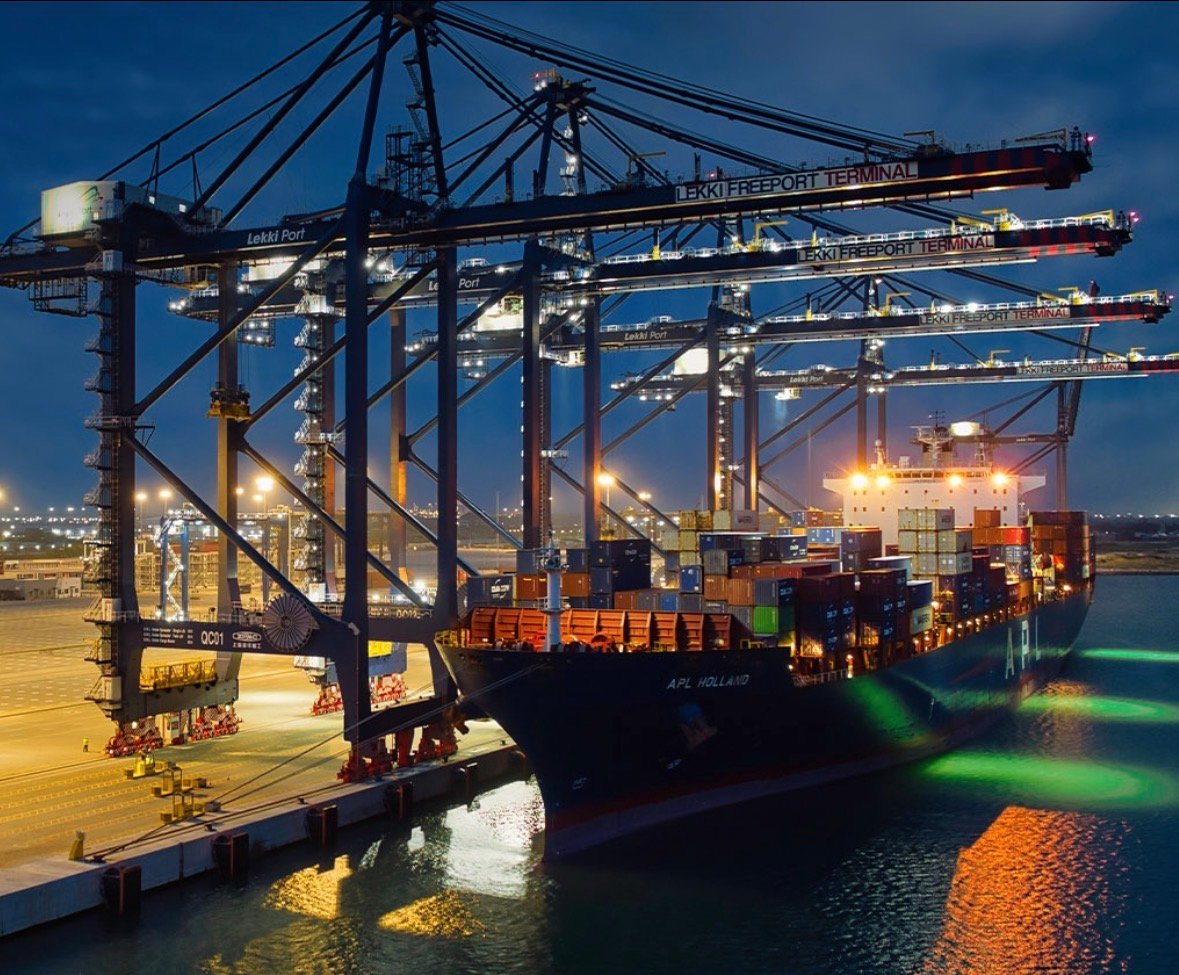
Lekki Deep Sea Port, Nigeria's first privately operated deep-water terminal, represents the most significant port infrastructure investment in West Africa in a generation. Capable of accommodating larger vessels than the congestion plagued Apapa facility, Lekki was designed to reposition Nigeria as the dominant trade gateway for the region. The physical infrastructure is largely in place. The ecosystem around it is not.
What Lekki Was Built to Solve
Apapa Port's chronic congestion driven by inadequate road access, documentation delays, and limited berth capacity has cost Nigeria billions in lost trade efficiency over decades. Importers and exporters building logistics cost models for Nigerian operations have long priced in the Apapa friction as a structural variable. Lekki was designed to eliminate that friction by providing modern, deepwater capacity with private sector operational discipline.
The Inland Connectivity Problem
A port is only as efficient as the infrastructure connecting it to its hinterland. The road network between Lekki and Nigeria's inland consumption and production centres remains inadequate for the freight volumes the terminal is designed to handle. Without a functioning logistics corridor linking the port to Lagos's industrial zones, the Ogun State manufacturing belt, and broader national markets, Lekki's throughput potential is structurally constrained.
The proposed rail link connecting Lekki to the national rail network has not been delivered on the timeline anticipated during the port's development phase.
Customs and Documentation Architecture
Terminal efficiency and customs processing efficiency are separate variables. Where the Nigeria Customs Service's documentary and inspection processes have not been reformed to match the physical capability of the terminal, container dwell times will remain elevated regardless of berth productivity improvements. This interface between private terminal operations and public customs administration is the most critical reform frontier.
Regional Competition and the Stakes
Lomé's container terminal and Cotonou Port have captured significant transshipment and transit business that could logically flow through Nigeria given its market size. If Lekki cannot demonstrate operational superiority in turnaround times, documentation efficiency, and reliability Nigerian importers will continue routing through regional alternatives, and West African transshipment volume will remain fragmented.
The Investment Return Calculation
Lekki Deep Sea Port is a privately financed concession requiring commercial returns on invested capital. Volume targets, tariff structures, and throughput projections underpin the financial model. If inland connectivity and customs reform do not accelerate cargo adoption, the financial sustainability of the concession and the case for the next generation of private port investment in Nigeria is directly affected.