Africa’s fashion industry has long been defined by creativity without industrial backing. Designers have achieved global recognition, yet the continent has remained structurally dependent on imported fabrics, outsourced production, and fragmented supply chains.
That model is now being challenged. The African Export-Import Bank (Afreximbank) has begun deploying targeted financing into textile and garment manufacturing, with a focus on building vertically integrated supply chains across countries such as Benin and Nigeria.
The objective is not simply to support designers, but to create export-ready manufacturing ecosystems capable of generating tens of millions of dollars in annual output.
Financing the Missing Layer
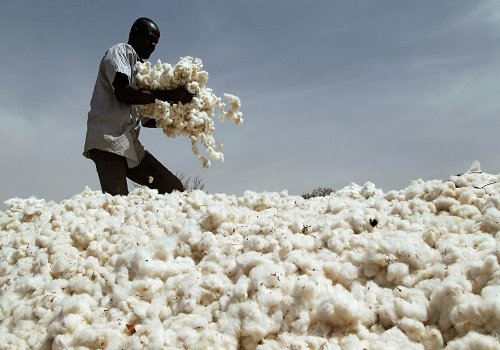
Africa produces a significant share of the world’s raw cotton, yet captures only a fraction of the value generated from it. According to the International Trade Centre (ITC) and World Bank data, the continent accounts for less than 2% of global textile and apparel exports, despite its raw material base.
This disconnect reflects a structural gap: the absence of large-scale processing and manufacturing capacity.
Afreximbank’s intervention is designed to address this gap by financing:
• Textile processing facilities
• Garment manufacturing hubs
• Designer export programs linked to production capacity
By targeting these areas, the bank is attempting to move African fashion from a design-led industry to a production-led one.
Benin: From Cotton Exporter to Textile Processor
Benin has historically been a major exporter of raw cotton, particularly to Asian markets where it is processed into finished textiles.
Recent investments supported by Afreximbank and regional partners are focused on reversing this pattern. The development of textile industrial zones aims to retain more value domestically by processing cotton into yarn and fabric before export.
This shift has several economic implications:
• Increased export value per unit of raw material
• Job creation in manufacturing and processing
• Reduced reliance on imported textiles
If successfully implemented, these projects could transform Benin from a commodity exporter into a participant in global textile value chains.
Nigeria: Scaling Garment Manufacturing
In Nigeria, Afreximbank-backed initiatives are focused on expanding garment manufacturing capacity and linking it to both domestic and export markets.
Nigeria’s large consumer base provides a natural demand foundation, but the country has historically relied heavily on imported clothing, including second-hand garments.
Efforts to scale local manufacturing aim to capture a larger share of this market while also positioning Nigerian producers for export under frameworks such as the African Continental Free Trade Area (AfCFTA).
Key areas of focus include:
• Industrial-scale garment production facilities
• Training programs to develop skilled labor
• Integration with regional supply chains
The combination of domestic demand and export potential creates a dual-market opportunity for manufacturers.
From Designers to Industrial Players
Afreximbank’s approach extends beyond infrastructure to include support for designers seeking to scale their operations.
Through export-oriented programs, designers are being integrated into manufacturing ecosystems, enabling them to move from small-scale production to larger, standardized output.
This shift is critical for accessing international markets, where consistency, volume, and compliance with quality standards are essential.
It also changes the economics of African fashion:
• Higher production volumes reduce unit costs
• Export revenues increase foreign exchange earnings
• Brands gain access to global distribution networks
The transition from artisanal production to industrial manufacturing represents a fundamental evolution of the sector.
Global Supply Chains and Competitive Positioning
The global textile and apparel market is valued in the trillions of dollars, with production concentrated in Asia. Countries such as China, Bangladesh, and Vietnam dominate due to scale, infrastructure, and cost efficiency.
Africa’s entry into this market will depend on its ability to compete on these factors while leveraging its own advantages, including proximity to raw materials and access to emerging regional markets.
Afreximbank’s investments are aimed at building the foundational infrastructure required to compete, but scaling remains a challenge.
Constraints and Execution Risks
Despite the strategic intent, several constraints could limit the impact of these initiatives. Infrastructure gaps, including energy and logistics, continue to affect manufacturing efficiency across the continent.
In addition, competition from established global producers presents a significant barrier to entry.
The World Bank has noted that improving industrial competitiveness in Africa requires sustained investment in infrastructure, skills development, and regulatory reform.
Without these complementary factors, manufacturing projects may struggle to achieve scale.
Structural Outlook: Building an Export Industry
Afreximbank’s financing strategy reflects a broader effort to reposition Africa within global value chains not as a supplier of raw materials, but as a producer of finished goods.
In the context of fashion, this means building the capacity to move from cotton to textiles to garments within the continent.
The projects in Benin and Nigeria represent early steps in this process, with the potential to create export-ready manufacturers generating tens of millions of dollars in annual revenue.
The broader implication is that Africa’s fashion industry may be entering a new phase one defined not just by creativity, but by industrial capability.
Whether this transformation can be sustained will depend on execution, scale, and the ability to compete in a highly competitive global market.
But the direction is clear: the future of African fashion will be determined not only on the runway, but on the factory floor.