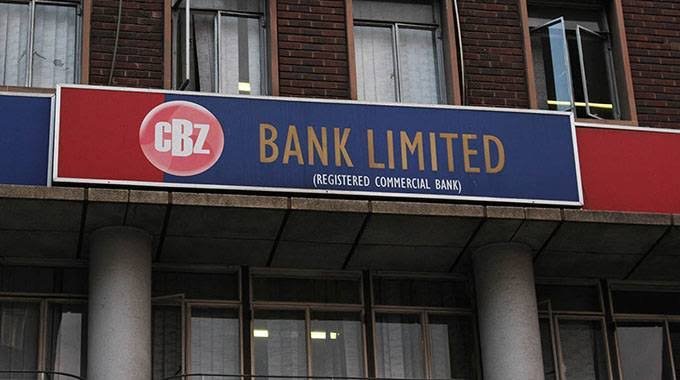
CBZ Holdings, Zimbabwe’s largest financial services group by assets, has reported continued balance sheet expansion in recent years, reflecting both increased lending activity and inflation-driven nominal growth. According to the Reserve Bank of Zimbabwe (RBZ), total banking sector assets have grown significantly in local currency terms, supported by elevated inflation and rapid monetary expansion. However, these headline figures obscure a deeper structural issue: currency instability continues to distort the real performance of Zimbabwe’s banking system.
The distinction between nominal growth and real value preservation has become central to understanding CBZ’s operating environment.
Nominal Expansion in a High-Inflation Environment
Zimbabwe has experienced persistent inflation volatility over the past decade, with periods of triple-digit inflation followed by partial stabilization efforts. According to the International Monetary Fund, inflationary pressures remain a defining feature of the macroeconomic landscape, driven by exchange rate movements and monetary policy constraints.
For banks such as CBZ Holdings, this environment produces rapid nominal growth. Loan books expand, deposits increase, and asset values rise in local currency terms. Yet much of this growth reflects price-level adjustments rather than underlying increases in real economic activity.
This creates a structural challenge: financial statements may show expansion, but the real value of those assets particularly when converted into stable currencies can remain flat or decline.
Currency Volatility and Balance Sheet Risk
The Zimbabwean dollar has undergone repeated episodes of depreciation, leading to a gradual re-dollarization of the economy. According to RBZ data, a significant portion of banking transactions is now conducted in US dollars, reflecting a lack of confidence in the local currency.
For CBZ, this dual-currency environment introduces balance sheet complexity. Banks must manage assets and liabilities across different currency regimes, often with limited hedging instruments available.
This creates multiple layers of risk:
• Currency mismatch between loans and deposits
• Erosion of capital in real terms
• Reduced predictability in interest rate transmission
These constraints are not unique to CBZ but define the broader operating conditions of Zimbabwe’s financial sector.
Lending Behavior Under Structural Constraints
In unstable currency environments, banks tend to adopt more conservative lending strategies. According to World Bank assessments of fragile financial systems, credit allocation often shifts toward short-term lending and sectors with quicker turnover cycles.
In Zimbabwe, this has translated into limited long-term financing for capital-intensive industries such as manufacturing and infrastructure. Instead, lending activity is often concentrated in trade finance and working capital facilities.
While this approach reduces exposure to currency risk, it also constrains the banking sector’s ability to support long-term economic development.
Regulatory Framework and Policy Response
The Reserve Bank of Zimbabwe has implemented multiple policy measures aimed at stabilizing the financial system, including interest rate adjustments, foreign exchange auctions, and regulatory interventions targeting currency speculation.
However, the effectiveness of these measures remains constrained by underlying macroeconomic conditions. The IMF has emphasized that durable financial stability requires consistent fiscal discipline and credible monetary policy frameworks factors that extend beyond the banking sector itself.
For institutions like CBZ, regulatory policy provides a framework for operation, but it does not eliminate systemic risk.
Power Dynamics in a Dollarizing Economy
The gradual shift toward dollarization has altered the competitive dynamics within Zimbabwe’s banking sector. Institutions with stronger access to foreign currency liquidity are better positioned to attract deposits and facilitate transactions.
This creates a hierarchy within the system, where banks with international relationships or export-linked clients hold a structural advantage.
CBZ’s scale provides a degree of resilience, but it operates within a system where currency access increasingly defines market positioning.
Structural Implications
Zimbabwe’s banking sector illustrates a broader principle in financial systems: nominal growth does not equate to real stability. Without a stable currency framework, balance sheet expansion can mask underlying fragility.
For CBZ Holdings, the challenge is not simply managing growth, but preserving value within a volatile monetary environment.
Until currency stability is restored and confidence in the local financial system is strengthened, Zimbabwe’s banking sector will continue to operate within a constrained framework where growth is measured, but not always realized in real terms.