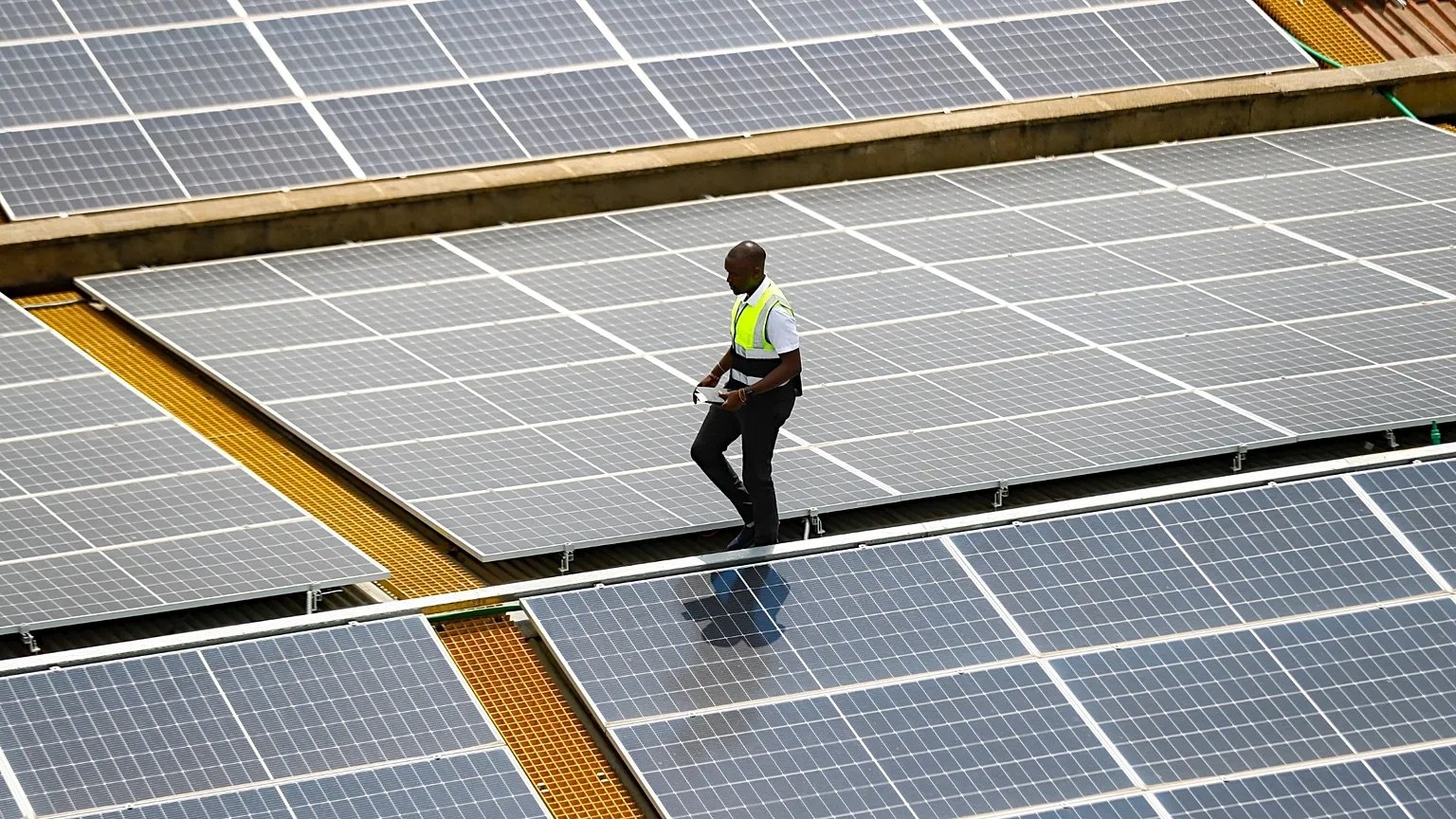
Solar energy investment across Africa has accelerated significantly, driven by falling photovoltaic costs, expanding development finance commitments, and the urgent demand for reliable electricity in markets where grid availability is unreliable. Yet the structural challenge is no longer primarily about generating capacity it is about the infrastructure required to move that capacity to where it is needed.
The Generation vs Transmission Gap
In several African markets, new generation capacity including utility-scale solar has been added to grids that lack the transmission and distribution infrastructure to absorb and distribute it effectively. The result is curtailment, localised surpluses, and continued load-shedding in areas not connected to new generation sources.
South Africa's Eskom network exemplifies this dynamic: independent power producer capacity has expanded, but transmission bottlenecks and grid management challenges have limited the impact on consumer reliability.
Off-Grid Solar as a Parallel Infrastructure
In markets where grid connectivity is unlikely in the near term, off-grid and mini-grid solar systems have emerged as a parallel infrastructure layer serving rural households, agricultural operations, and small enterprises. The commercial model pay-as-you-go financing structures has unlocked access for low-income households while creating a new asset class for impact investors.
Industrial and Commercial Demand as the Anchor Segment
The most commercially viable segment of the African solar market is industrial and commercial self-generation. Manufacturers, data centres, and large commercial properties facing unreliable grid supply and elevated diesel costs have become willing purchasers of behind-the-meter solar systems creating a market driven by economic necessity rather than policy incentive.
Financing Structures and Currency Risk
Renewable energy projects in African markets face a persistent currency mismatch: capital costs are denominated in dollars or euros, while revenue is collected in local currency. In markets with depreciation risk, this mismatch creates financial vulnerability that development finance institutions have partially addressed through blended finance structures and local currency instruments.
The Structural Opportunity
Africa's energy transition opportunity is real and large, but it will be captured by investors and developers who understand that generation is only one component of the value chain. Transmission infrastructure, storage systems, grid management technology, and last-mile distribution are equally critical and currently more underinvested relative to need.