Africa is projected to achieve a symbolic economic milestone in 2026. According to the International Monetary Fund (IMF), the continent’s growth rate is expected to surpass that of Asia for the first time in recent history, signaling a rebound from the economic disruptions of the COVID-19 pandemic.
The African Development Bank (AfDB) has reinforced this outlook, revising its 2026 growth forecast upward from 4.0% to 4.3%, citing stronger household consumption, accommodative monetary policy, and a weaker US dollar as key drivers. On the surface, these indicators suggest a continent entering a renewed phase of economic expansion and investment attractiveness.
However, beneath the headline growth figures lies a more complex structural reality.
Post-Pandemic Recovery or Structural Breakthrough?
The projected acceleration in growth reflects a combination of cyclical recovery and favorable external conditions rather than a fundamental transformation of African economies.
Household consumption has rebounded as inflationary pressures stabilize in several markets, while central banks have adopted more accommodative policy stances to stimulate economic activity. At the same time, the relative weakening of the US dollar has eased external financing conditions and reduced currency pressures for many African economies.
These factors collectively create a short-term growth impulse. However, they do not necessarily address deeper structural constraints, including limited industrial capacity, reliance on commodity exports, and low levels of intra-regional trade.
The distinction is critical: cyclical recovery can boost growth rates temporarily, but structural transformation determines long-term economic resilience.
Concentration of Economic Weight
Africa’s economic landscape remains heavily concentrated. South Africa, Egypt, and Nigeria are expected to retain their positions as the continent’s three largest economies by nominal GDP.
This concentration underscores both scale advantages and structural imbalances. While these economies provide a foundation for regional growth, their performance also heavily influences continental averages.
Smaller economies, particularly those undergoing reforms or benefiting from commodity cycles, may experience higher relative growth rates, but their impact on aggregate output remains limited.
This dynamic reinforces a dual-speed economy, where growth is unevenly distributed across countries and sectors.
Debt Relief Without Debt Resolution
Some of the countries that faced acute debt distress in recent years including Ghana, Ethiopia, and Zambia are beginning to show signs of stabilization. Debt restructuring efforts and improved macroeconomic management have provided short-term breathing room.
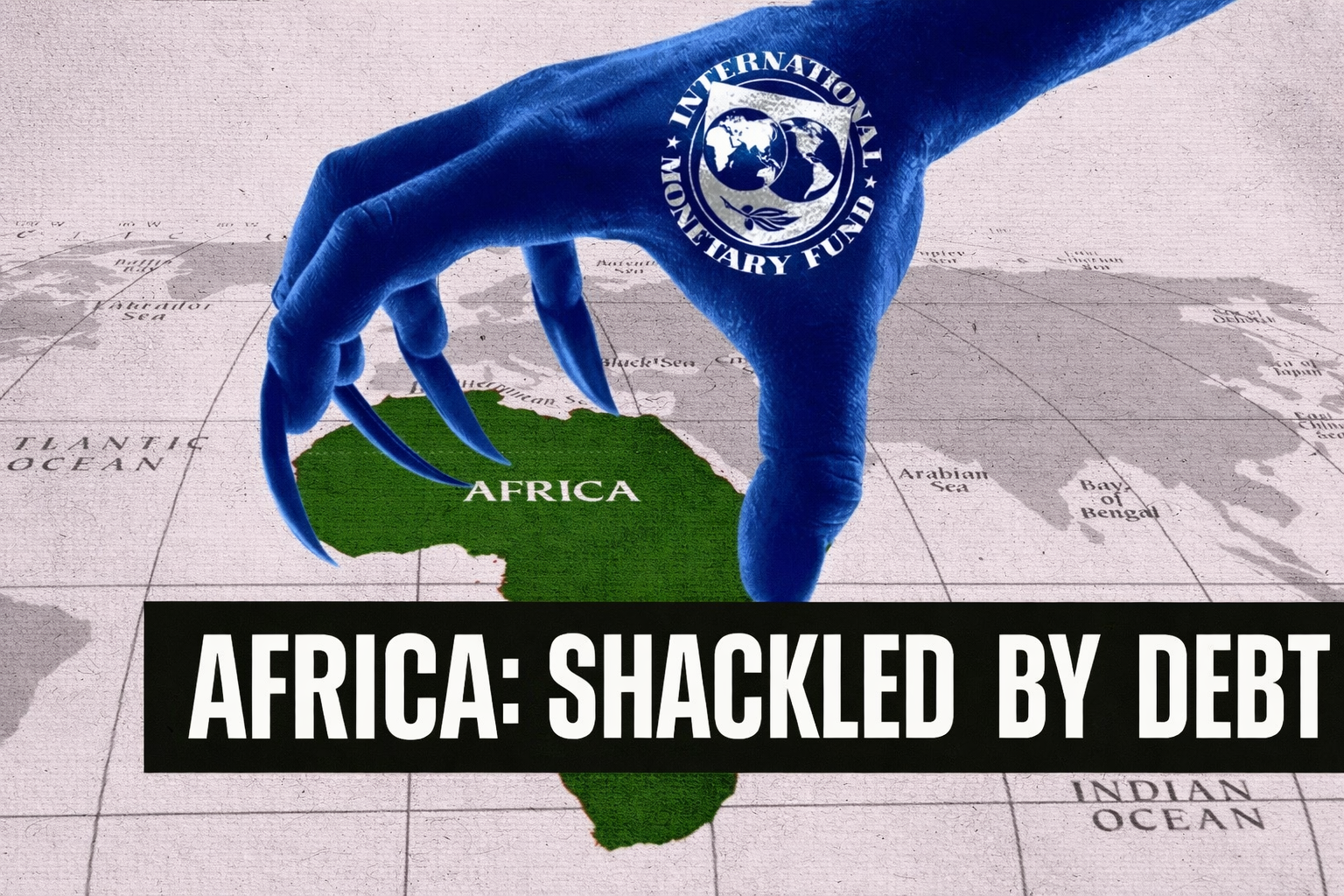
However, the broader debt trajectory remains a significant constraint. Africa’s public debt increased by approximately 170% between 2010 and 2024, reflecting the combined impact of infrastructure financing needs, pandemic-related spending, and external shocks.
This level of debt accumulation has several implications:
• Reduced fiscal space for development spending
• Increased vulnerability to interest rate fluctuations
• Greater dependence on external financing
The IMF has repeatedly emphasized that while debt restructuring can stabilize economies, it does not eliminate underlying vulnerabilities unless accompanied by structural reforms.
External Risks and Fragmentation Pressures
The AfDB’s 2026 Economic Outlook highlights a range of external risks that could disrupt Africa’s growth trajectory. These include geopolitical fragmentation, trade restrictions, conflict, and climate-related shocks.
Geopolitical fragmentation, in particular, poses a significant risk to trade flows and investment patterns. As global supply chains become more regionalized, African economies may face both opportunities and constraints in integrating into new trade networks.
Climate-related risks also remain a critical concern. Extreme weather events can disrupt agricultural output, infrastructure, and energy systems, directly affecting economic stability.
These external pressures underscore the vulnerability of growth models that remain heavily dependent on external demand and financing conditions.
AfCFTA and the Structural Imperative
Against this backdrop, the African Continental Free Trade Area (AfCFTA) emerges as a central pillar of long-term economic strategy. By promoting intra-African trade and reducing reliance on external markets, AfCFTA aims to address some of the structural weaknesses that limit growth sustainability.
The AfDB has emphasized the importance of value addition within the continent, particularly in sectors such as manufacturing, agriculture, and energy.
Key priorities include:
• Expanding regional supply chains
• Increasing industrial capacity
• Reducing export dependence on raw commodities
If effectively implemented, these measures could shift Africa’s growth model from externally driven to internally reinforced.
However, progress has been uneven, with infrastructure gaps and regulatory inconsistencies slowing integration efforts.
Investment Narrative vs Structural Reality
The projected growth surge is likely to attract renewed interest from both domestic and international investors. Higher growth rates typically signal expanding markets, rising consumption, and improved returns.
However, investors will also need to assess underlying structural conditions. Growth driven by cyclical factors may not translate into sustained profitability without corresponding improvements in infrastructure, governance, and market integration.
This creates a nuanced investment environment:
• Short-term opportunities linked to recovery dynamics
• Long-term risks tied to structural constraints
The ability to distinguish between these layers will be critical for capital allocation decisions.
Structural Outlook: Growth Without Transformation?
Africa’s projected outperformance relative to Asia in 2026 is a notable milestone, but it should not be interpreted as a definitive shift in global economic dynamics.
The underlying drivers of growth consumption recovery, monetary easing, and currency movements are inherently cyclical. Without deeper structural changes, their impact is likely to be temporary.
The continent’s long-term trajectory will depend on its ability to address persistent constraints, including debt sustainability, industrial capacity, and regional integration.
The central question is not whether Africa can grow faster in a given year, but whether it can convert that growth into lasting economic transformation.
In this context, the 2026 growth surge represents both an opportunity and a test: an opportunity to attract investment and accelerate development, and a test of whether structural reforms can keep pace with cyclical momentum.