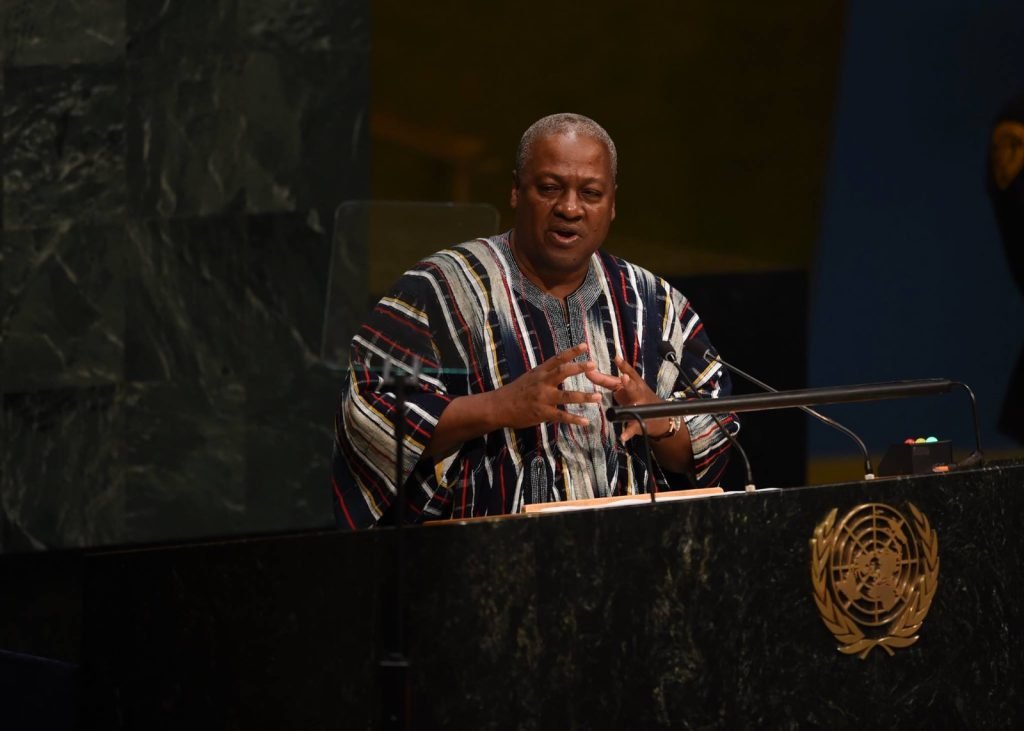
In March 2026, Ghana successfully led a United Nations resolution recognizing transatlantic slavery as the “gravest crime against humanity,” a move supported by over 120 countries despite opposition from major Western powers. The initiative, championed by President John Dramani Mahama, marks a strategic shift: reparations are no longer framed as moral advocacy they are being positioned as economic policy. (Source: United Nations General Assembly reporting, Reuters 2026)
This distinction matters. Ghana’s approach is not symbolic diplomacy it is a calculated attempt to reshape global financial narratives, diaspora capital flows, and Africa’s negotiating position within international institutions.
Reparations as Economic Leverage
The scale of the transatlantic slave trade over 12.5 million Africans forcibly displaced between the 15th and 19th centuries has long been acknowledged. What is changing is how that historical reality is being operationalized in modern policy frameworks. (Source: UN historical data, Reuters)
Under Mahama, Ghana is reframing reparations as:
• A capital redistribution argument
• A development finance mechanism
• A geopolitical negotiation tool
This aligns with the African Union’s designation of 2026–2036 as the “Decade of Reparations,” signaling institutional coordination rather than isolated advocacy. (Source: African Union policy framework)
The implication is clear: reparations are being integrated into broader discussions on debt relief, climate finance, and development restructuring.
The Diaspora as an Economic Asset Class
Ghana has simultaneously elevated the diaspora from a cultural concept to a formal economic constituency. The framing of the diaspora as the “17th region” reflects a shift toward structured engagement with global African populations. (Source: Ghana Diaspora Summit 2025)
This is not rhetorical. Remittance flows to Africa exceeded $90 billion annually in recent World Bank estimates, already surpassing foreign direct investment in several countries.
Ghana’s strategy is to deepen this channel by linking:
• Reparations discourse
• Citizenship pathways
• Investment frameworks
The underlying thesis is that diaspora capital if properly structured can function as a quasi sovereign financing tool, reducing reliance on external debt markets.
Constraint Layer: IMF Programs and Fiscal Reality
However, Ghana’s reparations positioning is unfolding within a constrained macroeconomic environment.
The country remains under a $3 billion IMF program established after its 2022 debt crisis, requiring fiscal consolidation, revenue mobilization, and spending discipline. (Source: IMF program reporting, Financial Times)
This creates a structural contradiction:
• Ghana is advocating for global financial restructuring
• While operating within externally imposed fiscal constraints
The government’s ability to translate reparations rhetoric into tangible economic outcomes will depend on how effectively it navigates this tension.
In practical terms, this means reparations cannot remain abstract they must eventually connect to measurable financial mechanisms.
Global Power Dynamics and Resistance
The UN vote revealed a clear geopolitical divide.
While more than 120 countries supported the resolution, major Western economies including the United States opposed or abstained, citing concerns about retroactive legal frameworks and financial implications. (Source: UN voting records, Reuters, The Guardian)
This resistance highlights the core power dynamic:
• Reparations challenge existing global wealth distribution
• They introduce potential financial liabilities for developed economies
For African policymakers, this reinforces a critical insight: progress on reparations will not come through consensus alone, but through coordinated leverage across trade, diplomacy, and multilateral institutions.
From Moral Argument to Structural Negotiation
Mahama’s broader economic positioning often described as part of an “Accra Reset” approach extends beyond reparations into calls for reform in global development finance, debt architecture, and climate funding.
This is where the strategy becomes more consequential.
By linking historical justice to current financial systems, Ghana is attempting to:
• Reframe Africa’s role in global economic governance
• Expand negotiating space within institutions like the IMF and World Bank
• Align diaspora capital with state-led development objectives
The effectiveness of this approach will depend less on the resolution itself and more on what follows: institutional frameworks, financial instruments, and coalition-building across the Global South.
Structural Implications
Ghana’s reparations push signals a broader shift in African policy thinking.
This is no longer about appealing for recognition it is about renegotiating the terms of engagement within the global economy.
The real question is not whether reparations will be paid.
It is whether Africa can convert historical claims into modern financial architecture and whether that architecture can operate independently of traditional Western-controlled systems.
That transition, if successful, would represent a fundamental shift in global economic power not just a symbolic victory.