
• Business
  • Energy
  • Markets
  • Intelligence
    • Policy Intelligence
    • Infrastructure
    • Fashion Intelligence
    • Economic Intelligence
    • Security Intelligence
  • ROAD-1
  • Technology
  • Politics
  • LBNN Blueprints
  • Business
  • Energy
  • Markets
  • Intelligence
    • Policy Intelligence
    • Infrastructure
    • Fashion Intelligence
    • Economic Intelligence
    • Security Intelligence
  • ROAD-1
  • Technology
  • Politics
  • LBNN Blueprints
LIVE MARKETS
Initializing...
Home Security Intelligence

Piracy Incidents in Gulf of Guinea Decline 60% as Regional Naval Cooperation Strengthens Maritime Security

Chukwuemeka Okeoma by Chukwuemeka Okeoma
March 30, 2026
in Security Intelligence
0
Piracy Incidents in Gulf of Guinea Decline 60% as Regional Naval Cooperation Strengthens Maritime Security
0
SHARES
0
VIEWS
Share on FacebookShare on Twitter

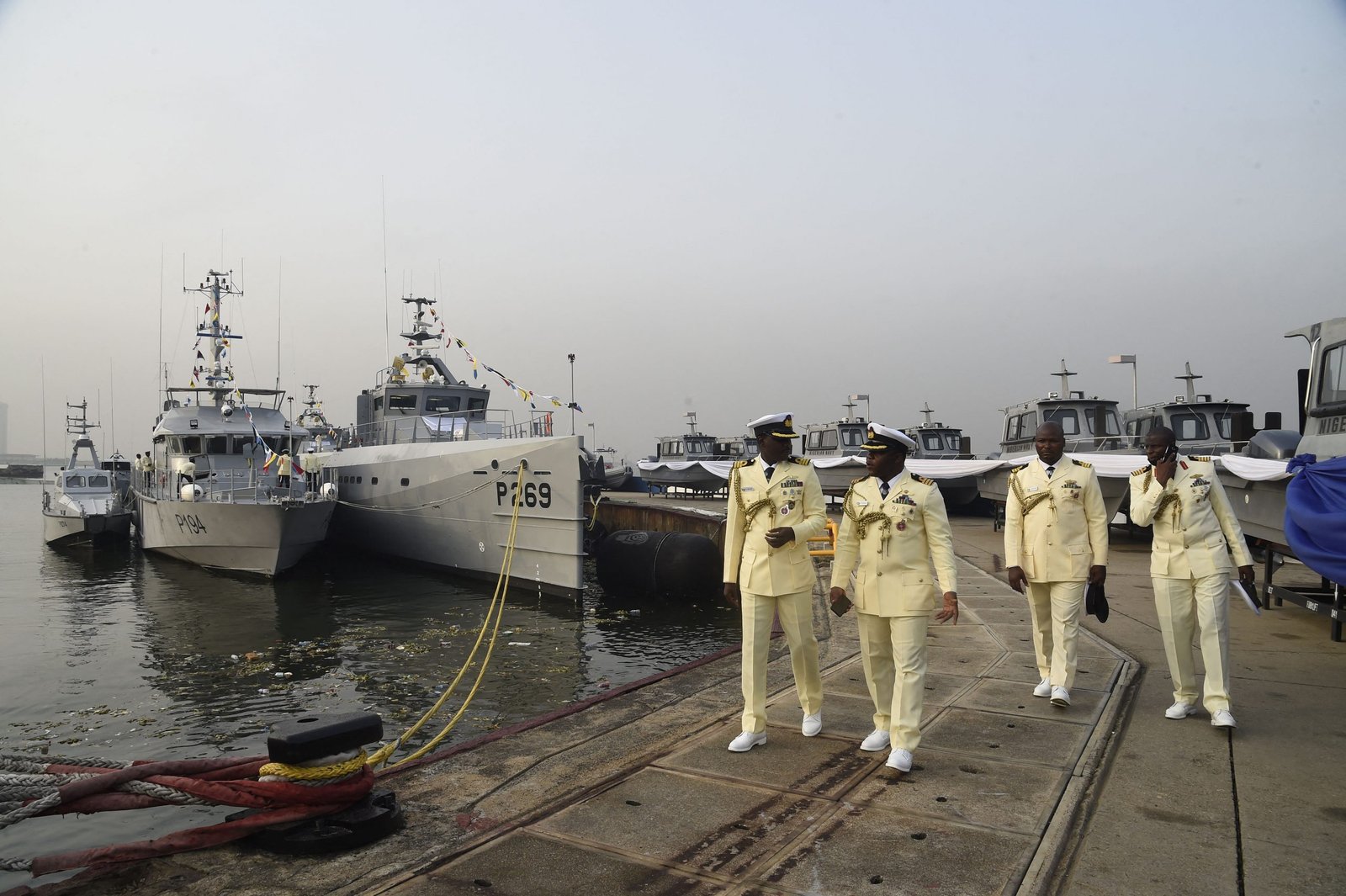
Piracy incidents in the Gulf of Guinea have declined by over 60% in recent years, reflecting increased regional cooperation and investment in maritime security.


The Gulf of Guinea, once considered the global epicenter of maritime piracy, has seen a significant reduction in attacks due to coordinated naval operations and enhanced surveillance capabilities. According to the International Maritime Bureau (IMB), reported incidents have fallen sharply compared to peak levels in 2020.


Regional Security Frameworks Driving Change


Key to this improvement has been the implementation of the Yaoundé Code of Conduct, which facilitates cooperation among West and Central African states on maritime security.


Countries including Nigeria, Ghana, and Cameroon have increased naval patrols and invested in maritime domain awareness systems, improving their ability to monitor and respond to threats.


Economic Importance of Maritime Stability


The Gulf of Guinea is a critical trade corridor, handling a significant portion of Africa’s oil exports and container traffic. Disruptions in this region have direct economic consequences, including higher insurance premiums and shipping costs.


The United Nations Conference on Trade and Development (UNCTAD) has highlighted maritime security as a key determinant of trade efficiency and cost structures in developing regions.


Private Sector and International Support


International partners, including the European Union and the United States, have supported capacity-building efforts through training programs and equipment provision.


Private shipping companies have also adopted enhanced security measures, contributing to the overall decline in successful piracy incidents.


Remaining Risks and Long-Term Outlook


Despite progress, risks remain. Economic disparities, weak coastal surveillance in some areas, and evolving criminal networks continue to pose challenges.


However, the downward trend in piracy suggests that sustained investment in maritime security can significantly improve trade stability and reduce economic losses associated with maritime crime.

Tags: Gulf of Guineamaritime security Africanaval cooperationpiracy Africashipping routes
Previous Post

Moniepoint Surpasses $17 Billion in Annualized Transaction Volume as Nigeria’s Agency Banking Model Scales Rapidly

Next Post

Zone’s Blockchain Infrastructure Push Signals Shift Toward Institutional Payments Rails in Africa

Next Post

Zone’s Blockchain Infrastructure Push Signals Shift Toward Institutional Payments Rails in Africa

Leave a Reply Cancel reply

Your email address will not be published. Required fields are marked *

POPULAR NEWS

  • Wagner’s $2.8B Africa Exit Creates Private Military Gold Rush as Regional Powers Scramble

    Wagner’s $2.8B Africa Exit Creates Private Military Gold Rush as Regional Powers Scramble

    0 shares
    Share 0 Tweet 0
  • African Luxury Fashion Market Hits $2.8B Valuation as International Investors Circle Premium Brands

    1 shares
    Share 0 Tweet 0
  • African Eurobond Spreads Narrow to 18-Month Lows as Investor Appetite Surges in March 2026

    0 shares
    Share 0 Tweet 0
  • AfCFTA Three Years In: Trade Volumes Rise 34% But Non-Tariff Barriers Still Cost Africa $68 Billion Annually

    1 shares
    Share 0 Tweet 0
  • Red Sea Crisis Adds $2.8 Billion to East African Trade Costs as Alternative Routes Reshape Continental Commerce

    1 shares
    Share 0 Tweet 0

Get strategic intelligence you won’t find anywhere else. Subscribe to the Limitless Beliefs Newsletter for monthly insights on overlooked business opportunities across Africa.

Subscription Form

© 2026 LBNN – All rights reserved.

Privacy Policy | About Us | Contact

Tiktok Youtube Telegram Instagram Linkedin X-twitter
No Result
View All Result
  • Home
  • Business
  • Politics
  • Markets
  • Crypto
  • Finance
  • Energy
  • Wealth Management
  • Taxes
  • Telecoms
  • Careers
  • Technology
  • Artificial Intelligence
  • Investigative journalism
  • LBNN Blueprints
  • Quizzes
    • Enneagram quiz
  • Fashion Intelligence

© 2026 JNews - Premium WordPress news & magazine theme by Jegtheme.