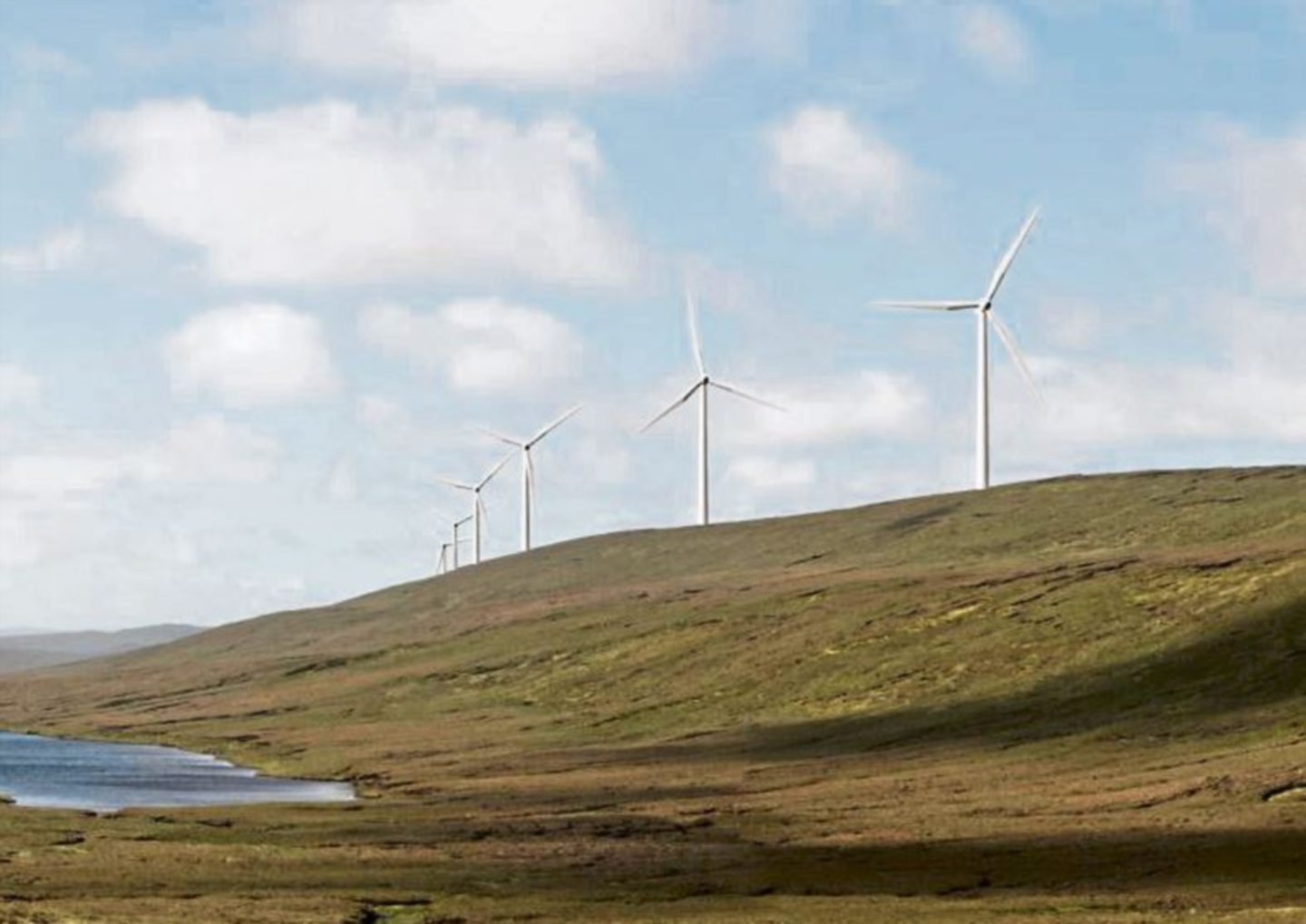
The introduction of zonal pricing by the UK government could put 8,000 jobs and £30 billion of investment in onshore renewables in Scotland at risk.
Research performed by Biggar Economics for the Fairer Energy Future campaign group explored Scotland’s 10GW onshore wind project pipeline.
With 1GW expected to be built per year between 2030 and 2035, this will support around 800 new jobs in Scotland during the construction phase and a further 200 jobs per gigawatt during operations.
With an average commitment of £1.5bn of investment per gigawatt of onshore wind and a total of £3bn of lifetime investment over an expected 30-year lifespan, this adds up to a combined total of £30bn and 8,000 new jobs to the Scottish economy.
However, industry-funded group Fairer Energy Future said if the UK government decides to introduce zonal pricing, these investment plans would be risk due to the uncertainty the reforms introduce.
Zonal pricing
The UK government is exploring potential reforms to the country’s electricity market under the review of electricity market arrangements (REMA) process, with a report expected later this month.
The current national pricing system means that prices are consistent across the country. Zonal pricing, however, could split the UK into 12 different regions, each with different power prices.
Prices would be determined by supply and demand – zones with multiple power projects but fewer users would have lower prices, while power-hungry areas with fewer sources would pay more.
Proponents of zonal pricing, including utility Octopus Energy, Ofgem and the National Energy System Operator (NESO), argue this would lower power prices, especially in the north east of Scotland, which would have access to cheap power from multiple offshore wind developments.
Areas with cheaper power can use it power new industrial projects, such as developing green hydrogen capacity. Areas with high prices will be incentivised to build more generation, reducing the need for new transmission infrastructure, a key bottleneck in the UK’s energy transition plans.
Opponents argue that lowering prices would jeopardise investment cases for renewable energy projects, meaning that the sources of cheap power are never built in the first place.
Fairer Energy Future, which is backed by manufacturers and energy producers, including UK Steel, Ceramics UK and OnPath Energy, said that the uncertainty around the reforms alone could delay investment.
A coalition of offshore wind developers recently raised similar concerns to Fairer Energy Future, warning around 33GW of planned offshore wind power capacity, representing tens of billions of pounds of investment, could be derailed by zonal pricing.
Risk and uncertainty
A spokesperson for Fairer Energy Future said: “Proponents of a zonal energy pricing system argue that it will help the UK reach net zero. On the contrary, the latest research shows that billions of pounds worth of renewable investment and thousands of jobs would be at risk if these proposals are greenlit by the government.
“Following the uncertainty of Brexit and the pandemic, including wars on the continent which have driven up energy prices, it’s clear that now is not the time for more risk for business.
“Our ‘enhanced national pricing’ proposal provides a more suitable and sensible alternative to zonal pricing. It’s fairer, cheaper and greener, getting us to clean power by 2030 without the uncertainty and unknowns zonal pricing brings with it.
“And at a time when the country is seeking to boost economic growth, jobs and productivity, we strongly believe enhanced national pricing is the right way forward.”
Under its proposed enhanced regime, Fairer Energy Future called for a review of competition within the retail, wholesale, and balancing markets and reform of the planning, funding and operation of interconnectors.
In addition, it said that consumer bill cost allocations should be reformed, including the issue of fixed charges and the allocation of environmental levies and whether these should be shifted from electricity to be based on carbon or more progressive general taxation.