

Zimbabwe is continuing to take significant steps to embrace tax transparency and the exchange of information, thereby contributing to global efforts to combat tax evasion and illicit financial flows. That includes efforts to ensure its legal system and administrative capabilities are in line with international standards, which will be assessed in a forthcoming peer review by the Global Forum on Transparency and Exchange of Information for Tax Purposes.
Preparing for the Global Forum peer review on Exchange of Information on Request (EOIR) requires legal frameworks and institutions that are ready in practice to access, manage, and exchange tax information effectively.
As Zimbabwe prepares for its upcoming peer review, national stakeholders are strengthening coordination and reviewing how information is made available, accessed, and exchanged across institutions and between countries.
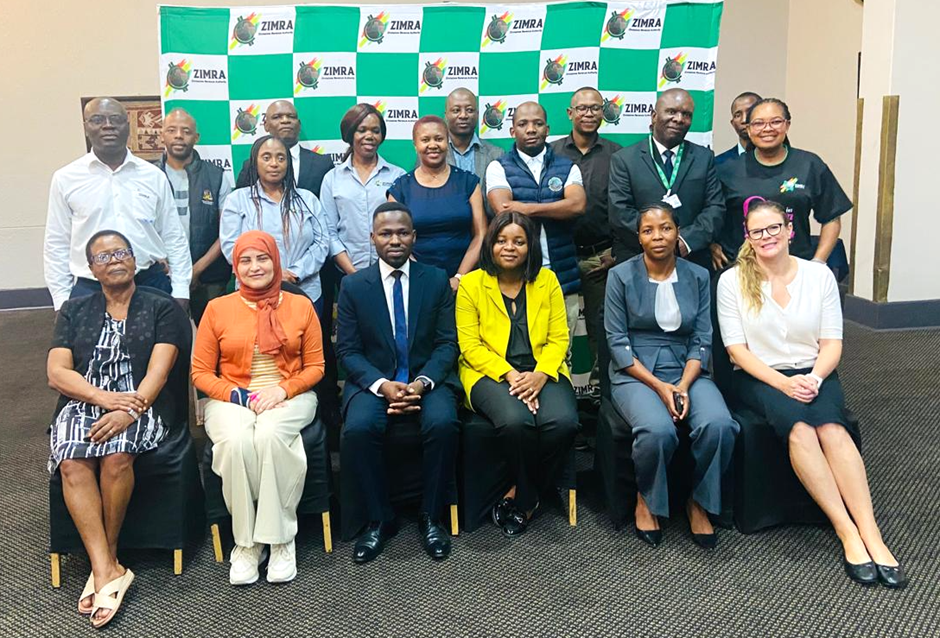
To support this process, ATAF International Tax, Policy and Administration Advisor, Ms Melissa DeJong, EOI Expert Ms Reem Abuzied, and the ATAF Chair of the EOI Technical Committee Mr Joseph Balikuddembe from Uganda Revenue Authority worked closely with Zimbabwe Revenue Authority (ZIMRA) and representatives from the Ministry of Finance, Companies Registry, and the Reserve Bank, as well as key private sector stakeholders.
Practical discussions, mock assessments, and hands-on sessions enabled participants to review key EOIR elements and work through the requirements for completing the peer review questionnaire. A detailed set of recommended actions will be prepared to guide Zimbabwe in further strengthening its legal framework and its practical implementation. ATAF will continue to support Zimbabwe in its efforts to benefit from EOIR for its own domestic resource mobilisation, including the efforts to meet the international standards
This mission represents the second visit to Zimbabwe in preparation for the upcoming peer review process. The initial mission, conducted by ATAF in March 2025, focused on Phase 1 of the peer review and involved a comprehensive assessment of the legal, regulatory, and institutional framework governing transparency and exchange of information. The discussions examined strengths, identified technical and legislative gaps, and provided targeted recommendations to enhance compliance with international standards and strengthen implementation capacity.


