

– Advertisement –
In the heart of Midtown Manhattan, United for Wildlife and the CITES Secretariat hosted leaders from the finance, technology, and transportation sectors, as well as governments, international organisations, and conservation organisations to celebrate United Nations World Wildlife Day 2026 at Deloitte’s office at 30 Rockefeller Plaza, calling for stronger cross‑sector action to conserve wildlife and combat wildlife crime.
Observed each year on March 3, World Wildlife Day commemorates the signing of the Convention on International Trade in Endangered Species of Wild Fauna and Flora (CITES) in 1973.
This year’s World Wildlife Day celebration spotlighted Medicinal and Aromatic Plants (MAPs), a group of 50,000 to 70,000 plant species used worldwide for the support of many healthcare systems, millions of local livelihoods and cultural heritage. Ensuring that international trade in MAPs remains sustainable, legal, and traceable is therefore essential for both conservation and human wellbeing.
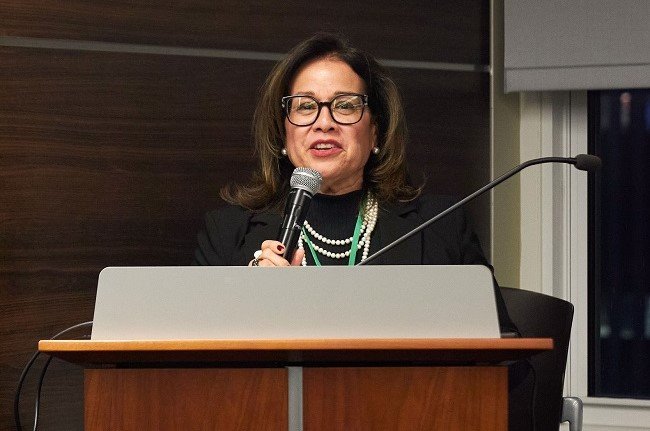
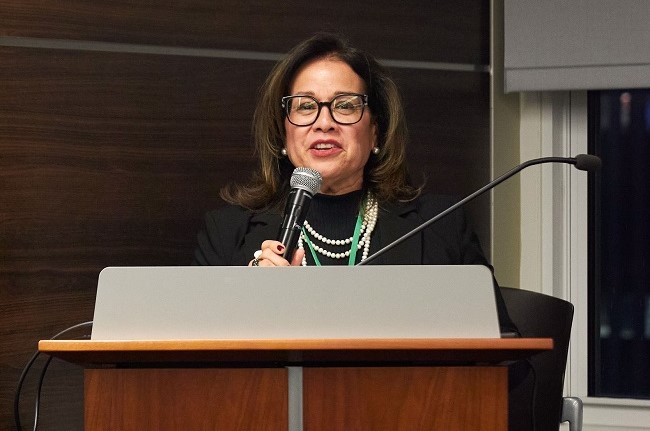
In keynote remarks, Ms. Ivonne Higuero, Secretary-General of CITES, highlighted the growing global demand for medicinal and aromatic plants and the need for meaningful stakeholder engagement such as supporting sustainable harvesting practices and recognising the knowledge and contributions of the communities who depend on and care for these species.
Ms. Higuero emphasised: “Only through strong partnerships across governments, enforcement authorities, the private sector and conservation organisations can we effectively safeguard the wild plants that support our health, heritage and livelihoods.”
The programme featured a moderated panel discussion titled “Stories of Hope: Working Together to End the Illegal Plant and Wildlife Trade,” which highlighted three case studies on American ginseng, shea and licorice, all considered medicinal and aromatic plants. Panelists from the U.S. Fish and Wildlife Service, the International Fund for Animal Welfare, The Nature Conservancy, the FairWild Foundation and the Wildlife Conservation Society shared perspectives on strengthening enforcement, supporting Indigenous knowledge, promoting sustainable supply chains and advancing collaborative solutions to conserve MAPs and combat wildlife trafficking in general.
Mr. Robert Campbell, Director, United for Wildlife, said: “Events like this are more than just an awareness day, they are opportunities to celebrate wins, highlight best practices, develop and build relationships both transnationally and across sectors, and even share challenges that we can work to resolve together.”
The evening also featured a conservation ballet performance by Vildwerk, highlighting the connections between culture, nature and conservation.
An outreach exhibition showcased the work of organizations including the World Wildlife Fund / HSBC, Conservation X Labs, the International Fund for Animal Welfare, the Wildlife Conservation Society, the Pan African Sanctuary Alliance, the Saiga Conservation Alliance, Vildwerk, Quantifind, the U.S. Fish and Wildlife Service, wildlife artist Nayana Rathmalgoda, and the Jane Goodall Institute.
The event concluded with a networking reception, generously sponsored by Quantifind, reinforcing the importance of partnerships across governments, international organisations, the private sector and civil society to ensure that MAPs – and the communities that depend on them – can continue to thrive.


