– Advertisement –
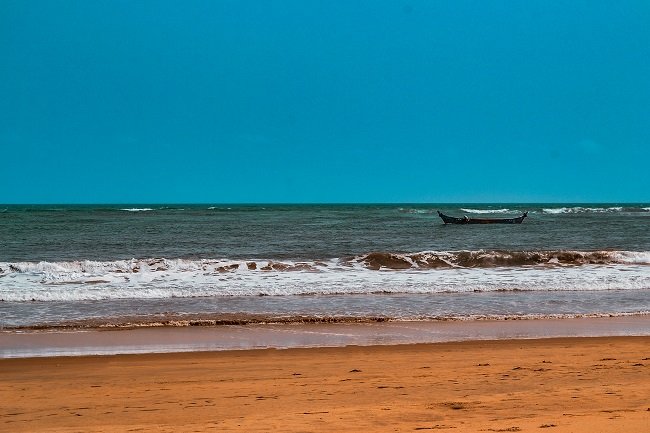
Covering more than 70% of the earth, oceans are the engine of Earth’s life support system. It is estimated that oceans are home to more than 80% of life on Earth, additionally, these ecosystems play crucial roles, from regulating climate through absorbing greenhouse gases, producing about 50% of the Earth’s oxygen to providing food and livelihoods to billions of people.
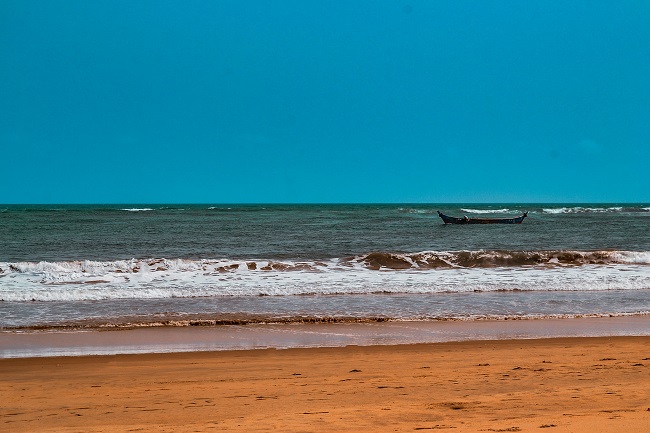
In Africa, more than half – 38 coastal and island countries out of the continent’s 54 countries rely heavily on the blue economy including fishing, shipping, maritime transport, tourism and energy among others. According to the African Union, the continent’s blue economy is currently valued at about $300 billion, creating about 49 million jobs, and is expected to hit $405 billion by 2030. These and other vital benefits are entirely dependent on healthy oceans.
Unfortunately, ocean ecosystems are under threat – from climate change and overfishing to marine pollution and illegal, unreported, and unregulated (IUU) fishing. These pressures jeopardise marine life and human wellbeing alike. One alarming indicator of ocean decline is the changes in breeding success of seabirds. As sentinels of ocean health, seabirds respond quickly to environmental changes; their declining numbers are a red flag for the broader health of marine ecosystems.
Strategic Conservation through Key Biodiversity Areas (KBAs)
To effectively safeguard marine biodiversity, it’s essential to identify and prioritise areas that are critical for conservation. Key Biodiversity Areas (KBAs) offer a scientifically robust and globally standardised framework for this purpose. Recognised as sites of global significance for the persistence of biodiversity, KBAs guide the selection, establishment, management and monitoring of Marine Protected Areas (MPAs) and other effective area-based conservation measures (OECMs).
By integrating marine KBAs into national and regional planning, governments can strategically direct conservation resources to the most important areas of the ocean. This approach not only enhances the effectiveness of MPAs but also facilitates harmonised reporting under international agreements such as the Convention on Biological Diversity (CBD) and the forthcoming Biodiversity Beyond National Jurisdiction (BBNJ) Agreement.
Notably, the gap in achieving conservation targets is particularly striking in the High Seas – areas beyond national jurisdiction – which constitute 64% of our ocean’s surface and 95% of its volume. Currently, only about 1.5% of these areas are protected. Recognising and conserving KBAs in these regions is critical for bolstering resilience and adaptation in the face of climate change.
Marine Flyways Approach
Seabirds are not only indicators of ocean health but also integral components of marine ecosystems. Many seabird species undertake extensive migrations across the globe, following established routes known as marine flyways. BirdLife International has identified six major marine flyways that represent the broad and repeatable movements of migratory seabirds.
These flyways provide a powerful framework for coordinating conservation efforts at an ocean basin scale. By identifying and safeguarding a network of critical sites along these routes, we can ensure the full life-history needs of migratory seabirds are met. This includes addressing urgent challenges such as bycatch in fisheries and the impact of invasive species.
Implementing conservation strategies at the flyway scale requires robust governance structures and international collaboration. By adopting this approach, we can accelerate ocean action and contribute significantly to achieving global biodiversity targets, including the goal of conserving at least 30% of the world’s oceans by 2030.
Ensuring Sustainable Fisheries
Sustainable fisheries are essential for long-term ocean health. This includes enforcing regulations against IUU fishing and ensuring that local communities have fair access to marine resources. BirdLife in collaboration with partners, is advancing transparency and sustainable practices across fisheries in West Africa. A major focus of this work is reducing bycatch – the capture of non-target species such as seabirds and sea turtles through a range of interventions including bycatch mitigation techniques, engaging fishing communities through citizen science initiatives, and capacity building.
In Cabo Verde, BirdLife is working with local fishing communities through an innovative programme known as Guardians of the Seas (GOS) to promote stewardship, monitor marine megafauna, reduce bycatch, and foster sustainable fishing practices across the archipelago. Across the wider West African region, BirdLife has supported the development of various training materials, conducted research and trained over 315 fisheries observers – representing more than 50% of the region’s observers – in countries including The Gambia, Guinea, Guinea-Bissau, Mauritania, Senegal, Cabo Verde, and Sierra Leone.
Strengthening Ocean Governance
Effective ocean governance is fundamental to the protection of marine ecosystems. From June 9 to 13, global leaders will gather in Nice, France, for the third United Nations Ocean Conference (UNOC3). A key milestone in ocean governance is the Marine Biological Diversity of Areas beyond National Jurisdiction (BBNJ) Agreement, adopted in March 2023, which aims to conserve marine biodiversity in areas beyond national jurisdiction – the High Seas.
The Agreement requires ratification by at least 60 countries to come into force. As of May 2025, only 29 countries had ratified it, including only three African nations: Malawi, Seychelles, and Mauritius. Lastly, all stakeholders – governments, the private sector, civil society, researchers and local communities must work together to secure the future of our oceans.
As we mark World Oceans Day on Sunday, June 8, let us remember: our very survival depends on healthy oceans. It is our shared responsibility to protect them – for people, for planet, and for future generations.
By Tabea Zwimpfer, Marine Programme Coordinator for Africa at BirdLife International. Email: tabea.zwimpfer@birdlife.org