• Business
  • Markets
  • Politics
  • Crypto
  • Finance
  • Intelligence
    • Policy Intelligence
    • Security Intelligence
    • Economic Intelligence
    • Fashion Intelligence
  • Energy
  • Technology
  • Taxes
  • Creator Economy
  • Wealth Management
  • LBNN Blueprints
  • Business
  • Markets
  • Politics
  • Crypto
  • Finance
  • Intelligence
    • Policy Intelligence
    • Security Intelligence
    • Economic Intelligence
    • Fashion Intelligence
  • Energy
  • Technology
  • Taxes
  • Creator Economy
  • Wealth Management
  • LBNN Blueprints

With So Much Bird Flu Around, Are Eggs, Chicken, and Milk Still Safe to Consume?

Simon Osuji by Simon Osuji
June 8, 2024
in Artificial Intelligence
0
With So Much Bird Flu Around, Are Eggs, Chicken, and Milk Still Safe to Consume?
0
SHARES
4
VIEWS
Share on FacebookShare on Twitter


This article is republished from The Conversation under a Creative Commons license.

Recent outbreaks of bird flu—in US dairy herds, poultry farms in Australia, and elsewhere, and isolated cases in humans—have raised the issue of food safety.

So can the virus transfer from infected farm animals to contaminate milk, meat, or eggs? How likely is this? And what do we need to think about to minimize our risk when shopping for or preparing food?

How Safe Is Milk?

Bird flu (or avian influenza) is a bird disease caused by specific types of influenza virus. But the virus can also infect cows. In the US, to date, more than 80 dairy herds in at least nine states have been infected with the H5N1 version of the virus.

Investigations are under way to confirm how this happened. But we do know that infected birds can shed the virus in their saliva, nasal secretions, and feces. So bird flu can potentially contaminate animal-derived food products during processing and manufacturing.

Indeed, fragments of bird flu genetic material (RNA) were found in cow’s milk from the dairy herds associated with infected US farmers.

However, the spread of bird flu among cattle, and possibly to humans, is likely to have been caused through contact with contaminated milking equipment, not the milk itself.

The test used to detect the virus in milk—which uses PCR technology similar to lab-based Covid tests—is also highly sensitive. This means it can detect very low levels of the bird flu RNA. But the test does not distinguish between live or inactivated virus, just that the RNA is present. So from this test alone, we cannot tell if the virus found in milk is infectious (and capable of infecting humans).

Does that mean milk is safe to drink and won’t transmit bird flu? Yes and no.

In Australia, where bird flu has not been reported in dairy cattle, the answer is yes. It is safe to drink milk and milk products made from Australian milk. In the US, the answer depends on whether the milk is pasteurized. We know pasteurization is a common and reliable method of destroying concerning microbes, including influenza virus. Like most viruses, influenza virus (including bird flu virus) is inactivated by heat.

Although there is little direct research on whether pasteurization inactivates H5N1 in milk, we can extrapolate from what we know about heat inactivation of H5N1 in chicken and eggs. So we can be confident there is no risk of bird flu transmission via pasteurized milk or milk products.

However, it’s another matter for unpasteurized or “raw” US milk or milk products. A recent study showed that mice fed raw milk contaminated with bird flu developed signs of illness. So to be on the safe side, it would be advisable to avoid raw milk products.

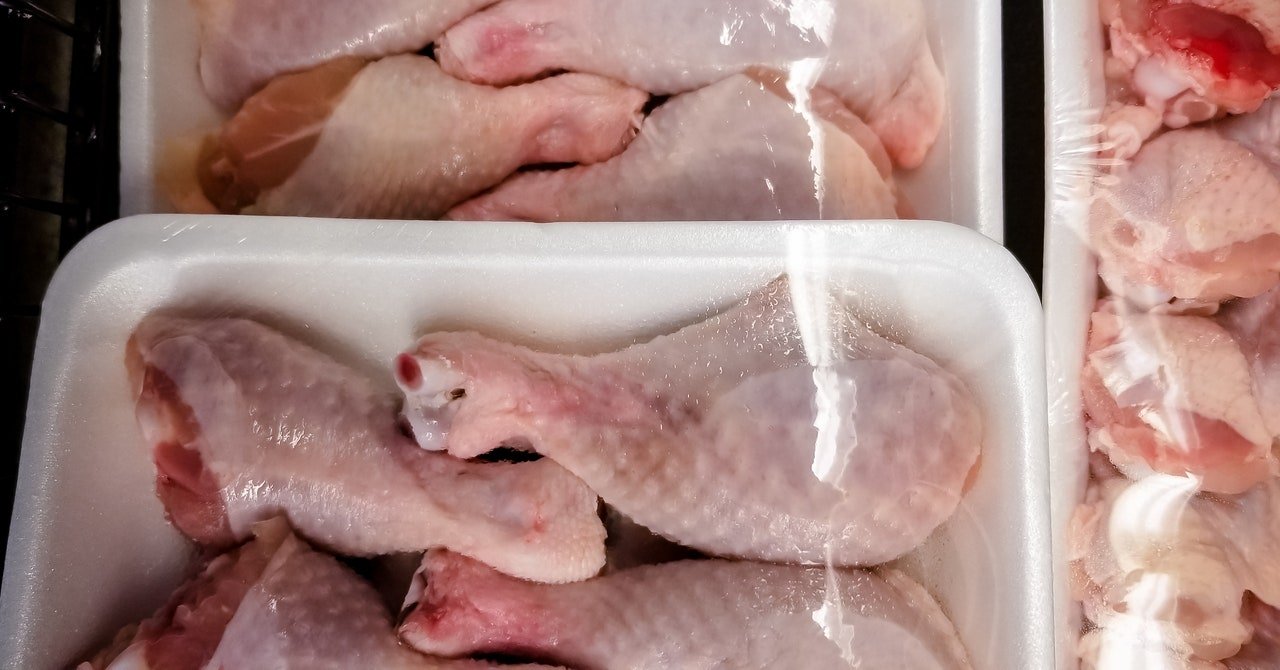
How About Chicken?

Bird flu has caused sporadic outbreaks in wild birds and domestic poultry worldwide, including in Australia. In recent weeks, there have been three reported outbreaks in Victorian poultry farms (two with H7N3 bird flu, one with H7N9). There has been one reported outbreak in Western Australia (H9N2).

The strains of bird flu identified in the Victorian and Western Australia outbreaks can cause human infection, although these are rare and typically result from close contact with infected live birds or contaminated environments. Therefore, the chance of bird flu transmission in chicken meat is remote.



Source link

Related posts

Our Reviewers’ Top TV Pick for Gamers Is at Its Lowest Price in Months

Our Reviewers’ Top TV Pick for Gamers Is at Its Lowest Price in Months

February 21, 2026
A Galaxy Composed Almost Entirely of Dark Matter Has Been Confirmed

A Galaxy Composed Almost Entirely of Dark Matter Has Been Confirmed

February 21, 2026
Previous Post

US urges Kenya to tighten rules on wildlife trafficking

Next Post

Promotion to Glory of Caleb Sagero Mong’are of North Andover MA

Next Post
Promotion to Glory of Caleb Sagero Mong’are of North Andover MA

Promotion to Glory of Caleb Sagero Mong’are of North Andover MA

Leave a Reply Cancel reply

Your email address will not be published. Required fields are marked *

RECOMMENDED NEWS

Struggling to Unlock Your Phone? You Might Have Lost Your Fingerprints

Struggling to Unlock Your Phone? You Might Have Lost Your Fingerprints

1 year ago
Smarter Innovation IP AI Drives Secure Solutions

Smarter Innovation IP AI Drives Secure Solutions

5 months ago
The Hero and Legend of Ukraine

The Hero and Legend of Ukraine

6 months ago
Zelensky Says Ukrainian Forces ‘Holding the Line’ in Kursk

Zelensky Says Ukrainian Forces ‘Holding the Line’ in Kursk

1 year ago

POPULAR NEWS

  • Ghana to build three oil refineries, five petrochemical plants in energy sector overhaul

    Ghana to build three oil refineries, five petrochemical plants in energy sector overhaul

    0 shares
    Share 0 Tweet 0
  • The world’s top 10 most valuable car brands in 2025

    0 shares
    Share 0 Tweet 0
  • Top 10 African countries with the highest GDP per capita in 2025

    0 shares
    Share 0 Tweet 0
  • Global ranking of Top 5 smartphone brands in Q3, 2024

    0 shares
    Share 0 Tweet 0
  • When Will SHIB Reach $1? Here’s What ChatGPT Says

    0 shares
    Share 0 Tweet 0

Get strategic intelligence you won’t find anywhere else. Subscribe to the Limitless Beliefs Newsletter for monthly insights on overlooked business opportunities across Africa.

Subscription Form

© 2026 LBNN – All rights reserved.

Privacy Policy | About Us | Contact

Tiktok Youtube Telegram Instagram Linkedin X-twitter
No Result
View All Result
  • Home
  • Business
  • Politics
  • Markets
  • Crypto
  • Economics
    • Manufacturing
    • Real Estate
    • Infrastructure
  • Finance
  • Energy
  • Creator Economy
  • Wealth Management
  • Taxes
  • Telecoms
  • Military & Defense
  • Careers
  • Technology
  • Artificial Intelligence
  • Investigative journalism
  • Art & Culture
  • LBNN Blueprints
  • Quizzes
    • Enneagram quiz
  • Fashion Intelligence

© 2023 LBNN - All rights reserved.