


It has been another busy year for registered investment advisors.
From multi-billion-dollar acquisitions to large wirehouse breakaways to a rise in court disputes over RIA-to-RIA recruiting, the sector has had no shortage of action.
As the year winds down, WealthManagement.com asked leaders of some of the country’s largest RIAs their take on the year that was, and what they expect for 2026.
Some of the answers below have been edited for length and clarity.
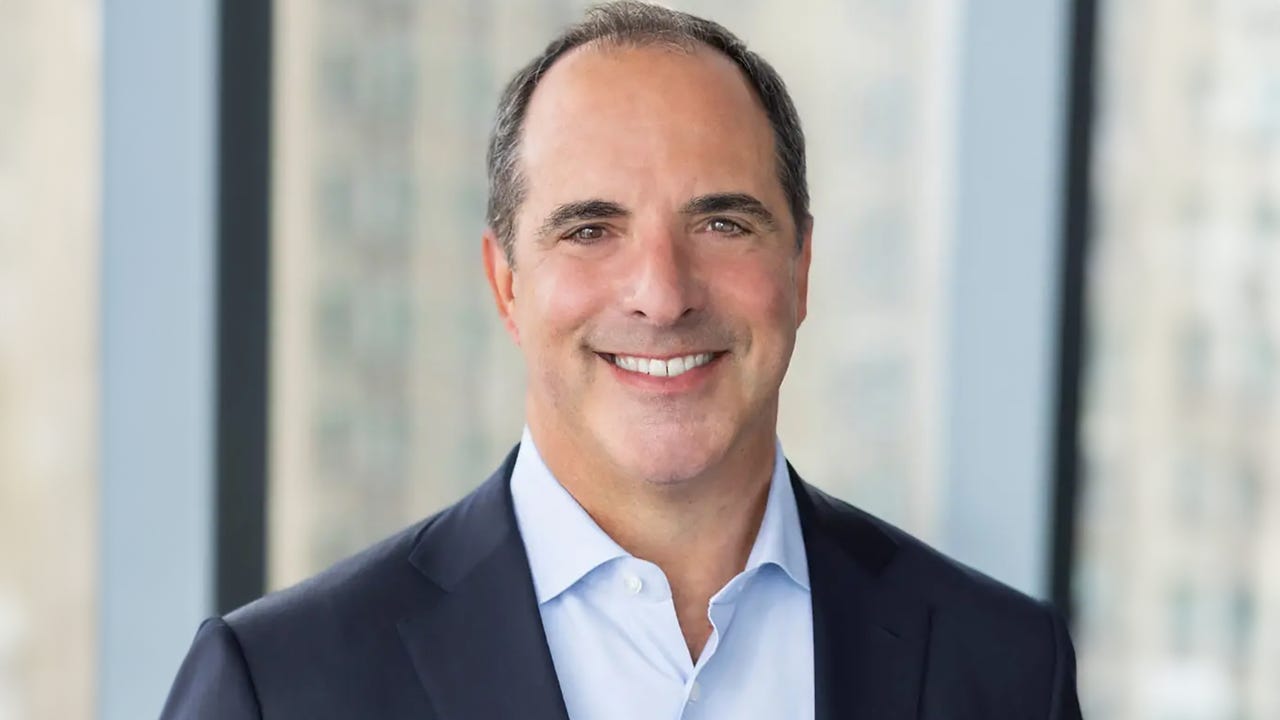
Larry Restieri, CEO, Hightower Advisors (663 advisors; $2.35 trillion AUM/AUA)
WM: What, in your view, was the most important trend in the RIA sector in 2025?
LR: The general maturation of the space, specifically with respect to the modernization and professionalization of these mega-RIAs. You think about the technology improvements; the world-class investments; the focus on advice. And we’re all doing it. It isn’t just limited to Hightower.
WM: What do you predict will be a key growth driver in 2026?
LR: I think that everybody’s had a market tailwind this year, so that has helped the numbers. But I think in general market uncertainty actually helps RIAs, because people want to talk to an advisor when the markets can go any which way. And that has been the trend that we don’t see going away.
WM: What headwinds are you most concerned with that might stymie growth in 2026?
LR: I try not to think of it in terms of, if the market goes up, or if the market goes down, if the market for RIAs goes sideways, or if something happens. I can’t control those things. If we just play our game through the cycle, we’ll be fine. And that’s how I try to lead the team.

Photo by Janie Jones
Peter Mallouk, President and CEO, Creative Planning (800 advisors; $668B AUM/AUA)
WM: What, in your view, was the most important trend in the RIA sector in 2025?
PM: Two major trends: increasingly competitive and rapid consolidation.
WM: What do you predict will be a key growth driver in 2026?
PM: M&A will be completely on fire, and we will see larger firms go to market and join even larger players.
WM: What headwinds are you most concerned with that might stymie growth in 2026?
PM: The market has been incredibly cooperative for all RIAs. If we have a prolonged pullback of 18 months or more, it will begin to separate winners and losers in a way we just haven’t seen yet.
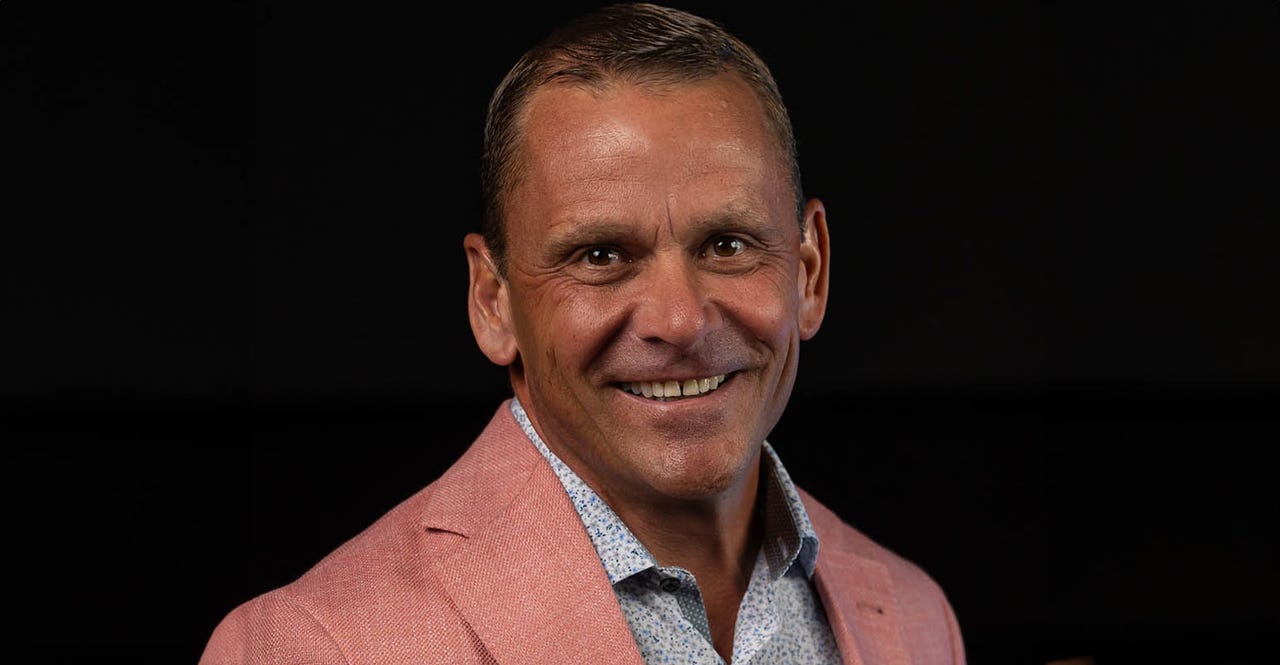
Marty Bicknell, President and CEO, Mariner Wealth Advisors (2,035 advisors; $609B AUM/AUA)
WM: What, in your view, was the most important trend in the RIA sector in 2025?
MB: We will get really close to hitting $14 billion in organic assets this year. I joked with the team yesterday that in 2006, when we started the firm, I didn’t even have a goal to get to $14 billion, let alone to do that in one year from an organic perspective. That has come from having a dedicated business development team. Instead of relying on our advisors to fill their own funnels, we put that at the enterprise level and view it as our responsibility to fill the funnel. We’ve had that strategy since day one, but now we have 85 dedicated business development professionals across multiple channels.
WM: What do you predict will be a key growth driver in 2026?
MB: One theme that I think continues to accelerate is the number of wirehouse reps going independent. Whether they’re going to a platform offering or they’re going independent to a W-2 offering, that is accelerating.
I also think that advisors are switching between firms more, which, for the RIA space, is relatively new. As firms are growing into these enterprises, I think you’re going to continue to see an increased amount of advisors switching, which increases the importance of your retention strategies and what you’re doing to elevate your current advisors’ practice and experience. That has to be a main focus of the organization, or you’re going to be the one who’s losing advisors.
WM: What headwinds are you most concerned with that might stymie growth in 2026?
MB: Our culture really is unique. At our pace of growth and the pace of adding advisors and outside talent, maintaining our culture and not letting that culture drift is something I personally spend a great deal of time on. I tell the organization every time I get a chance that culture is top-down, but policing is bottom-up. I can’t be everywhere. If and when you see something that doesn’t fit the culture, you have to raise your hand and you have to let somebody know that can try to fix it. That’s something we work really hard at.
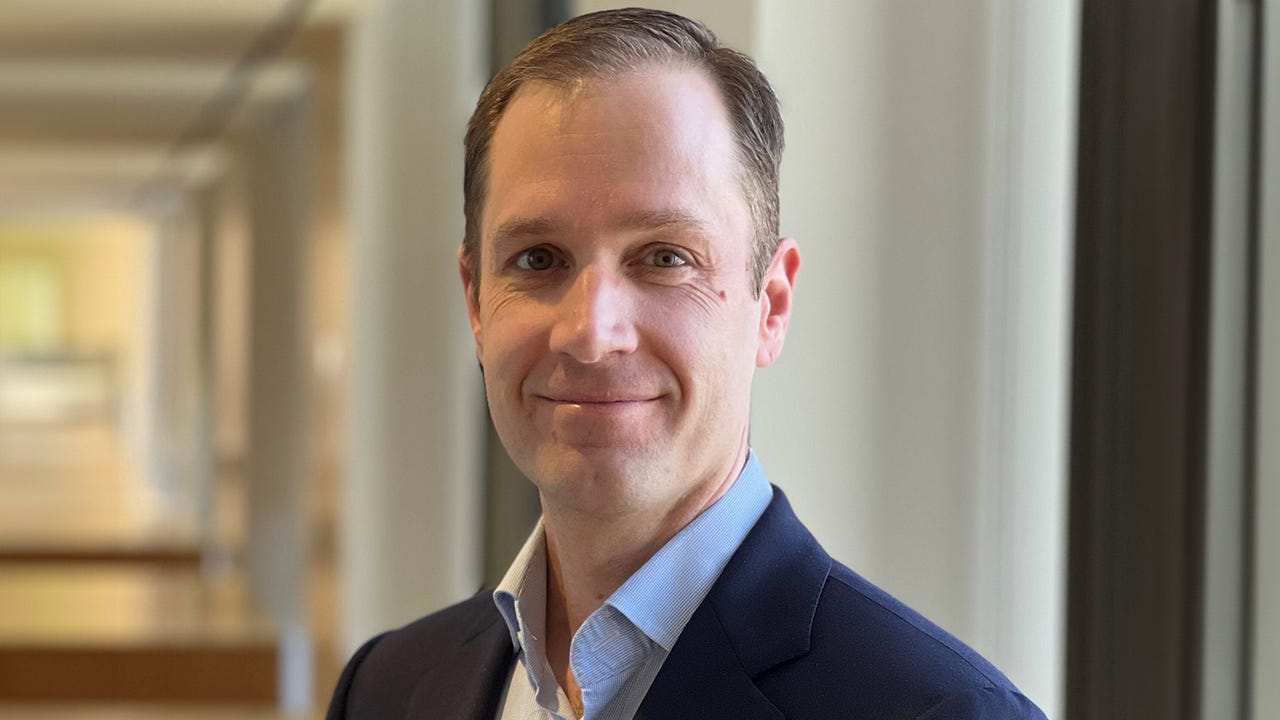
Ralph Haberli, CEO and President, Edelman Financial Engines (Over 370 advisors; $323B AUM)
WM: What, in your view, was the most important trend in the RIA sector in 2025?
RH: The RIA sector has entered a new phase of scale and maturation—after a decade of rapid growth and expansion, the focus is now shifting to meeting heightened client expectations, giving clients different ways to engage and general professionalization of the offering. This will be good for clients as they have more choice, transparency, and personalized solutions, and good for financial planners aligned to firms investing in these capabilities.
WM: What do you predict will be a key growth driver in 2026? RH: While M&A and changes in custody referral programs dominate headlines today, growth in 2026 and beyond will come from a broader and more diversified set of channels. Meeting clients where they are and building trust over time in the workplace and other early investing platforms is key to that. Taking a longer-term view on the client and the relationship well before they hit certain wealth thresholds, and having the ability to serve mass affluent and high-net-worth clients, will grow in importance. As client expectations rise—and custodial referral programs evolve, challenging firms that depend on them—RIAs with diversified, scalable paths to organic growth will lead in 2026 and beyond.
WM: What headwinds are you most concerned with that might stymie growth in 2026?
RH: Paradoxically, we think that the biggest headwinds or certainly risks is a prolonged and broad bull market. In our conversations with clients, there is a sense that complacency has set in, and a need to reset to a long-term view that anticipates a range of market environments. Volatility doesn’t just impact portfolio performance—it influences client behavior, increasing anxiety and driving people to forget the fundamentals. In these moments, advice and financial coaching are even more critical—but it’s arguably, harder to prove value during down markets.
Market cycles are inevitable, and during downturns, planning-centric organizations double down on what matters most—their clients and delivering value. That means shifting focus from short-term performance to proactive communication, holistic planning, and reassurance, ensuring every client feels heard, supported and confident in their long-term goals.
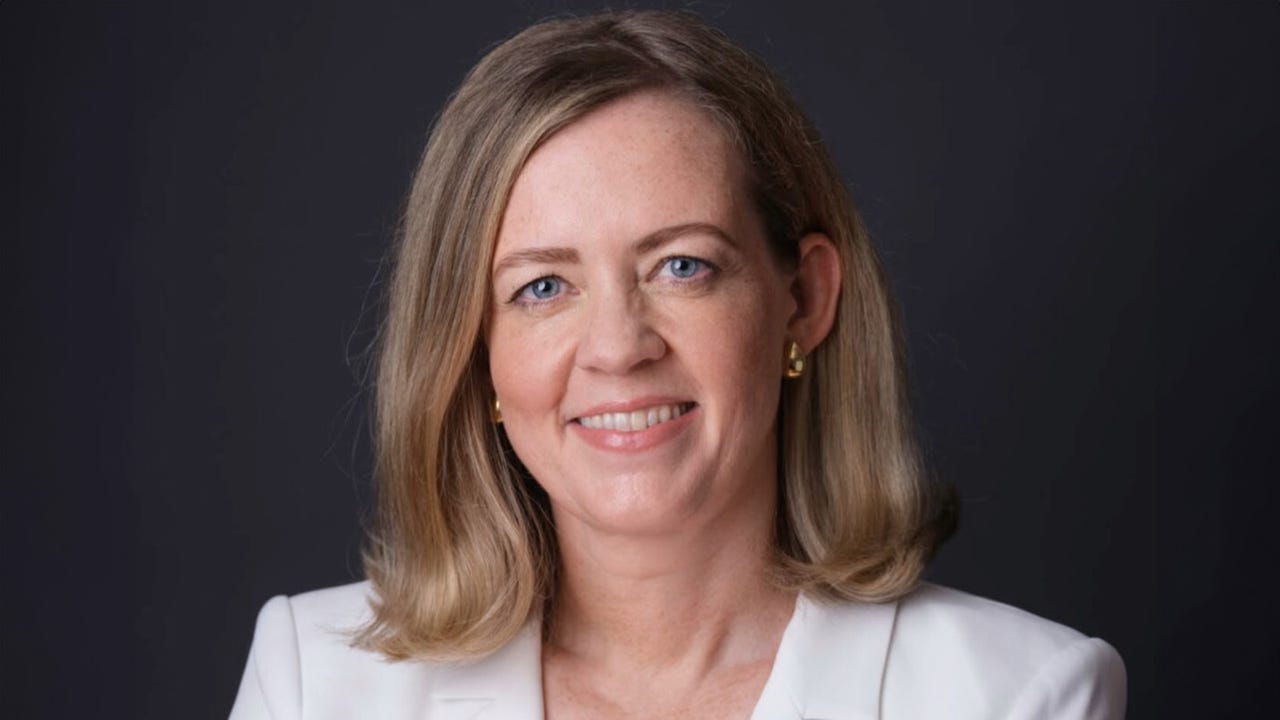
Susie Cranston, President, Cresset Partners (147 advisors; $235B AUM/AUA)
WM: What, in your view, was the most important trend in the RIA sector in 2025?
SC: This is the year that McKinsey predicted there would be more AUM in the RIA sector than traditional wirehouses. While we’ll have to wait to see the final data, it’s amazing to think this is likely to take place in the imminent future. If someone had predicted this 10 years ago, I’m not sure how believable that would have been. It goes to show how much of a seismic shift the industry is going through right now.
WM: What do you predict will be a key growth driver in 2026?
SC: With the shift in assets from traditional wirehouses to RIAs, there continues to be a number of factors driving growth in meaningful ways. Certainly, breakaway advisors making the shift to independent RIAs from wirehouses is likely to continue. The number of independent RIAs forming does not seem to be slowing down either. And the wealth creation happening in the United States is also continuing. Unlike some periods of history when you might have one or two growth drivers taking place, we are now in the enviable position of having multiple growth drivers serving as a tailwind for our industry.
WM: What headwinds are you most concerned with that might stymie growth in 2026?
SC: This is a period of high transformation and therefore high uncertainty, from geopolitical evolutions to rapid technological advancements, there are so many variables to be ready for. Because it’s impossible to predict where these changes will take us, it’s important for firms to be prepared for any and all potential scenarios.
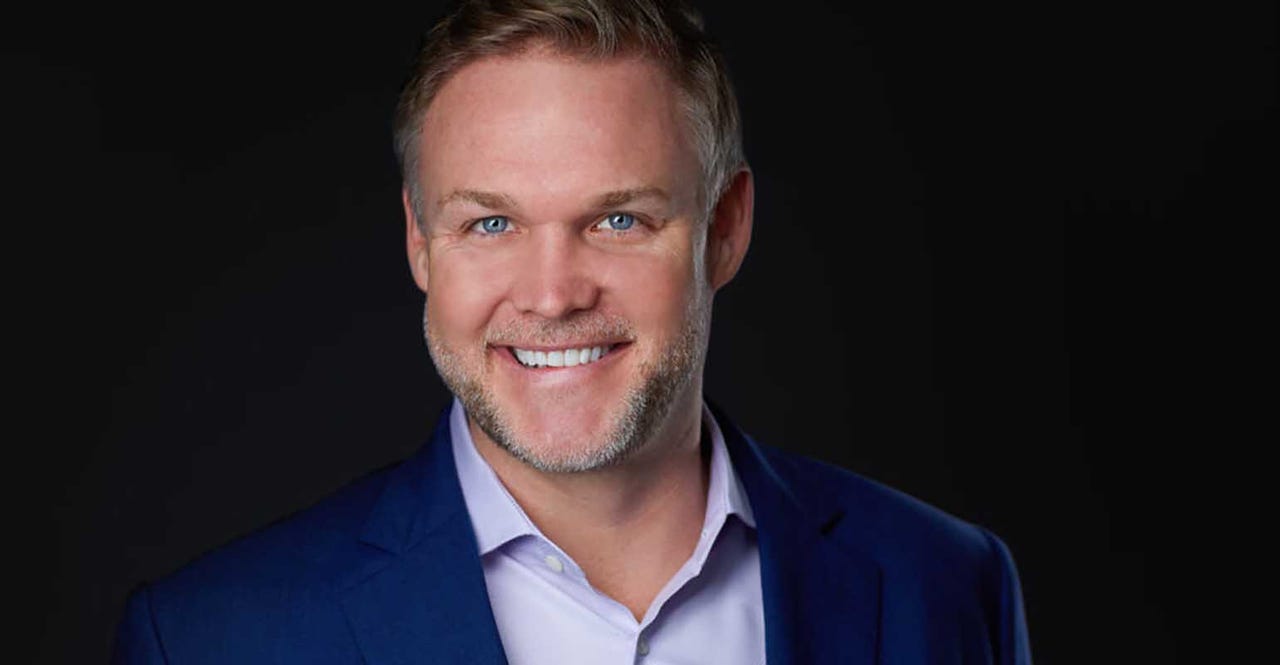
Alex Goss, Managing Partner, NewEdge Capital Group (475 Advisors; $80B AUM/AUA)
WM: What, in your view, was the most important trend in the RIA sector in 2025?
AG: RIA and large practices will continue to offer more than wealth and investment management services by adding tax, estate planning, insurance and various family office services. I believe we’ll continue to see this service expansion over the next five years, especially at larger firms.
WM: What do you predict will be a key growth driver in 2026?
AG: Next year is going to be a turning point in how firms work with artificial intelligence. I don’t mean adopting AI solutions, but how financial advisors will engage with clients who also have access to AI tools. We’ll see more clients utilizing AI investment analytics. Wealth management firms should be prepared to address their findings and questions.
In addition, there has been significant market growth, and in 2026 we will likely see investors take a more ‘buckle-down’ stance as they prepare for their futures. Advisors might need to step back before going two steps forward.
WM: What headwinds are you most concerned with that might stymie growth in 2026?
AG: Market headwinds give us the most concern for growth. While we still see organic growth being positive, a negative market will still erode revenue, and that may stymie reinvestment in the RIA precisely when it’s most needed.
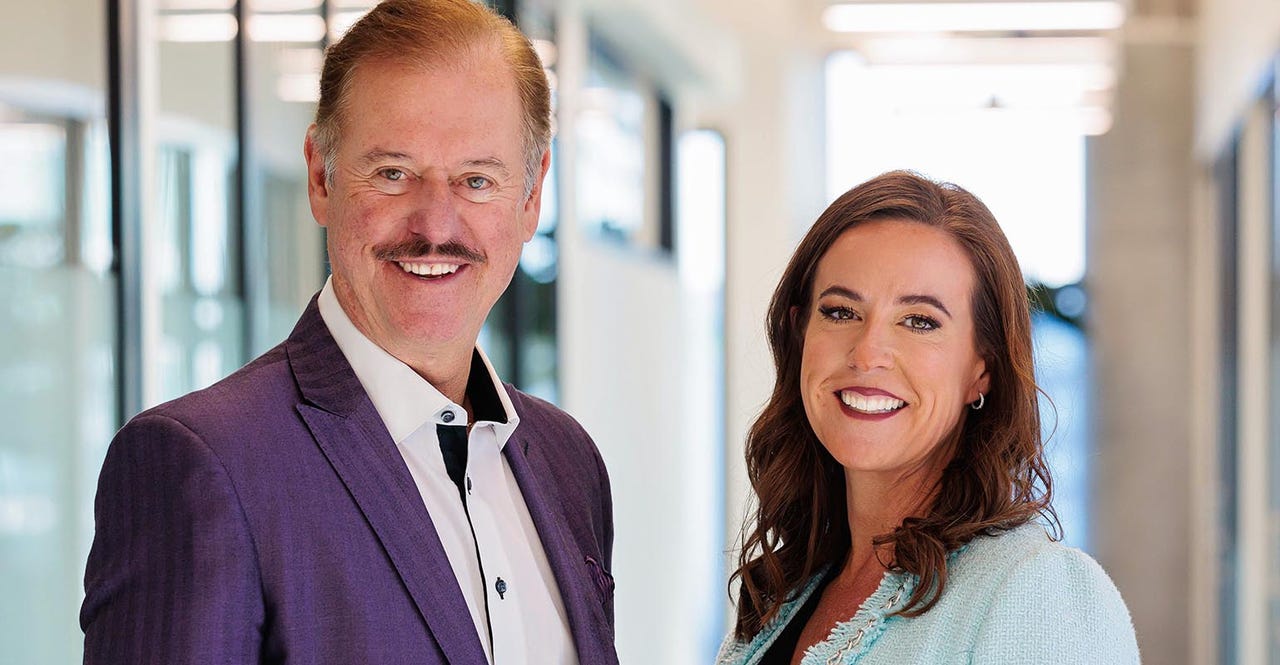
Rick Kent, CEO, and Kay Lynn Mayhue, President, Merit Advisors (150 advisors; $25B AUM/AUA)
WM: What, in your view, was the most important trend in the RIA sector in 2025?
KLM: We’ve seen some trends around some of the larger, what I would consider to have been aggregators, now trying to change gears and become an integrator. Merit has always been ‘one jersey—one team.’ I always just find it interesting when trends are going in your direction. It feels like we’ve got something here with the W-2 model versus the 1099 model.
Minority capital was another thing [this year] that we just continue to see over and over and over again. When we first took on a capital partner back in 2020, everybody wanted a majority stake, and we needed a minority investor—that was exactly what we were looking for in that first capital raise. Fast forward to 2025. We went through our most recent capital raise, and there is a ton of really smart money that’s looking for those minority capital investments.
WM: What do you predict will be a key growth driver in 2026?
RK: There are so many advisors realizing that they may not be doing their clients the best service, or the team, by not joining with a larger firm. There’s such a big investment that they have to make to grow, and they get to the ceiling of complexity. They really are looking for a firm that they can plug into, and different firms are going to have different offers. What’s going to become more important over time is the cultural fit for them at those firms. They’ll be asking, ‘Do I really fit in? Do my top areas of concern and what I want to accomplish match with this firm that I’m going to be joining?’ I think culture is going to play a much bigger role in the future.
WM: What headwinds are you most concerned with that might stymie growth in 2026?
RK: Today, we have 415 employees. This time next year, we’ll have over 550 employees. There’s no way that Kay Lynn and I can keep up with the speed and the growth of the firm. That’s why we’re currently in a pattern of raising up leaders. It’s our theme right now. We’re tapping people on the shoulder and saying, ‘Hey, could you step into this role? We need you.’ One of the headwinds could be the fast pace at which we’re growing, and if we don’t develop enough leaders, that could really cause challenges for us.
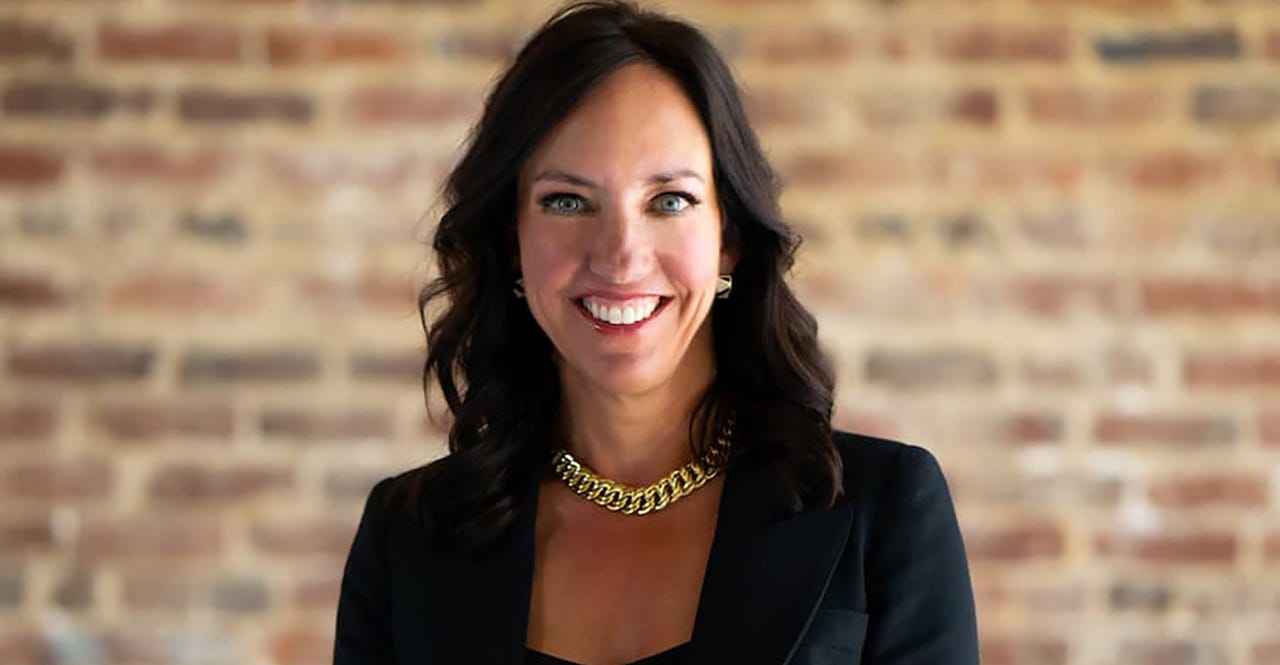
Shannon Spotswood, CEO, RFG Advisory (117 advisors; $7.3B AUM/AUA)
WM: What, in your view, was the most important trend in the RIA sector in 2025?
SS: The independent model remains the winning choice for advisors and clients, especially as firms adopt an increasingly aggressive posture to want to own the client, the data and ultimately the advisor.
WM: What do you predict will be a key growth driver in 2026?
SS: Advisors who realize that their most valuable resource is their time and leverage a modern tech platform, aligned team and intentional culture to serve more clients, including women, while building bridges with multigenerational families.
WM: What headwinds are you most concerned with that might stymie growth in 2026?
SS: The complexity of compliance, cybersecurity and technology—and the distraction of chasing bright, shiny AI tools that add little real value to the business.


