
• Business
  • Markets
  • Politics
  • Crypto
  • Finance
  • Intelligence
    • Policy Intelligence
    • Security Intelligence
    • Economic Intelligence
    • Fashion Intelligence
  • Energy
  • Technology
  • Taxes
  • Creator Economy
  • Wealth Management
  • LBNN Blueprints
  • Business
  • Markets
  • Politics
  • Crypto
  • Finance
  • Intelligence
    • Policy Intelligence
    • Security Intelligence
    • Economic Intelligence
    • Fashion Intelligence
  • Energy
  • Technology
  • Taxes
  • Creator Economy
  • Wealth Management
  • LBNN Blueprints

Why I’m (Cautiously) Optimistic About COP28

Simon Osuji by Simon Osuji
November 15, 2023
in Artificial Intelligence
0
Why I’m (Cautiously) Optimistic About COP28
0
SHARES
0
VIEWS
Share on FacebookShare on Twitter


The most obvious demand is for countries to close the gap between their targets and policies. Empty promises mean nothing. Countries need to put real, tangible policies in place to drive down emissions.

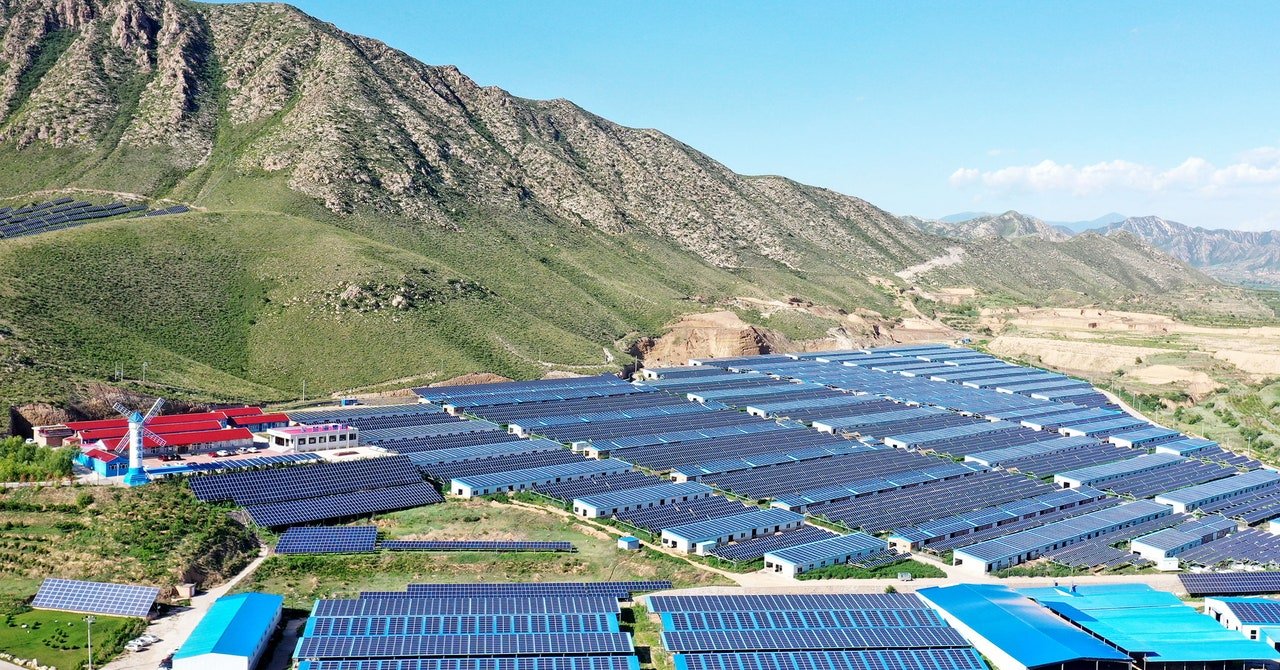
Ambitious targets to scale up low-carbon technologies will be a key pillar. In its 2023 “Roadmap to Net Zero by 2050” report, the International Energy Agency called for a tripling of renewable energy capacity by 2030. Nearly all of this will be solar and wind. If the world wants to peak and reduce global coal production, this is essential.

This target looks like it will be spearheaded by the European Commission. Earlier this fall, it laid out its COP28 position, and a tripling of renewables was central to its negotiating position. Rapid scale-up of renewables is unlikely to be a point of controversy (although the rate might be).

What will be much more contentious is the call for a global phaseout of “unabated” fossil fuels—fossil fuels burned without carbon capture and storage. That reduction is what the European Commission is asking for. Two years ago, there were fiery debates over a phaseout of coal. In the end, a watered-down agreement was made for a “phasedown of unabated coal”: Coal consumption was to be a smaller part of the energy mix, but not eliminated completely.

Last year India called for this phasedown to be extended to all fossil fuels. Eighty countries—including those in the European Union—backed this proposed extension to oil and gas, but with strong resistance from others. The same dynamic can be expected this year, with some countries in fierce opposition. I am reasonably optimistic about an ambitious target for renewables, but I’m skeptical about the likelihood of a global agreement on phasing out (or phasing down) fossil fuels.

This is concerning because growing low-carbon technologies won’t be enough to stop climate change. Real commitments to drive down fossil fuels will be essential; they need to be actively pushed down as we charge up solar and wind.

Fundamentally, the climate talks are about money. This year will be no different. There will be increasing tension between developed and developing countries, as rich countries have fallen short on their previous commitments to provide $100 billion per year in climate finance to help low- and middle-income countries (LMICs) invest in low-carbon technologies and adapt to climate impacts. Exactly which LMIC countries should receive climate finance, and how this should be spent, has remained contentious.

Once again, talks on a “loss and damage” fund—where rich countries that have contributed the most to the problem pay for climate damages in lower-income countries—will be top of LMICs’ agenda. Some countries have agreed to a blueprint proposal in the past few weeks, but that will need to be finalized next month. The fund will initially be housed at the World Bank, and how much countries should pay into it is still undecided. I expect those conversations to be heated.

Arguably the most progress happens away from the main stage, in side-room discussions. Private-sector investment and innovation are crucial, whether that’s financing low-carbon projects, implementing adaptation measures, or building new technologies. Reaching net zero will require solutions from every sector—not just electricity and transport, which dominate the headlines—but cement, steel, and agriculture too. It’s in the corridors that these solutions are built and partnerships are made.

I expect COP28 to leave me in the same pessimistic-optimistic state I’m in today. There will be positives that move us further forward, but this progress will leave us short of where we urgently need to be.



Source link

Related posts

The World’s Largest Dairy Cooperative Just Built an AI Dairy Farming Platform on 50 Years of Data

The World’s Largest Dairy Cooperative Just Built an AI Dairy Farming Platform on 50 Years of Data

February 23, 2026
Hitachi Wields Industrial Know-How to Compete in the Physical AI Race

Hitachi Wields Industrial Know-How to Compete in the Physical AI Race

February 23, 2026
Previous Post

Israel Says Carrying Out ‘Operation’ in Gaza’s Main Hospital

Next Post

WATCH: Cyprus Confidential reveals island’s role in shielding Russian wealth

Next Post
WATCH: Cyprus Confidential reveals island’s role in shielding Russian wealth

WATCH: Cyprus Confidential reveals island’s role in shielding Russian wealth

Leave a Reply Cancel reply

Your email address will not be published. Required fields are marked *

RECOMMENDED NEWS

Crypto Fraud Scheme Organizers Face Legal Action by CFTC in Florida, Louisiana, and Arkansas

Crypto Fraud Scheme Organizers Face Legal Action by CFTC in Florida, Louisiana, and Arkansas

3 years ago
DC sues Trump over ‘military occupation’ by National Guardsmen

DC sues Trump over ‘military occupation’ by National Guardsmen

6 months ago
ECCO chairman appeals to membership: ‘Attend to the affairs of the organization’

ECCO chairman appeals to membership: ‘Attend to the affairs of the organization’

2 years ago
Novel treatment for myocardial infarction uses nanovesicles to modulate immune response

Novel treatment for myocardial infarction uses nanovesicles to modulate immune response

3 years ago

POPULAR NEWS

  • Ghana to build three oil refineries, five petrochemical plants in energy sector overhaul

    Ghana to build three oil refineries, five petrochemical plants in energy sector overhaul

    0 shares
    Share 0 Tweet 0
  • The world’s top 10 most valuable car brands in 2025

    0 shares
    Share 0 Tweet 0
  • Top 10 African countries with the highest GDP per capita in 2025

    0 shares
    Share 0 Tweet 0
  • Global ranking of Top 5 smartphone brands in Q3, 2024

    0 shares
    Share 0 Tweet 0
  • When Will SHIB Reach $1? Here’s What ChatGPT Says

    0 shares
    Share 0 Tweet 0

Get strategic intelligence you won’t find anywhere else. Subscribe to the Limitless Beliefs Newsletter for monthly insights on overlooked business opportunities across Africa.

Subscription Form

© 2026 LBNN – All rights reserved.

Privacy Policy | About Us | Contact

Tiktok Youtube Telegram Instagram Linkedin X-twitter
No Result
View All Result
  • Home
  • Business
  • Politics
  • Markets
  • Crypto
  • Economics
    • Manufacturing
    • Real Estate
    • Infrastructure
  • Finance
  • Energy
  • Creator Economy
  • Wealth Management
  • Taxes
  • Telecoms
  • Military & Defense
  • Careers
  • Technology
  • Artificial Intelligence
  • Investigative journalism
  • Art & Culture
  • LBNN Blueprints
  • Quizzes
    • Enneagram quiz
  • Fashion Intelligence

© 2023 LBNN - All rights reserved.