

Ten years ago, if you said artificial intelligence might surpass human-level intelligence by the year 2029, no one in Washington would have taken you seriously. A Wednesday hearing showed how dramatically that has changed.
During the hearing, dubbed “Shaping Tomorrow: The Future of Artificial Intelligence,” the House Oversight Committee and its witnesses grappled with several trends: the rapid advance of AI, Beijing’s determination to dominate the field, and China’s increasingly threatening posture toward Taiwan.


“Current trend lines suggest” that Ray Kurzweil—inventor, author, and current Google executive—”was dead on” when he predicted human-level AI by 2029, Samuel Hammond, chief economist at the Foundation for American Innovation, said at the hearing.
Kurzweil’s projection for the arrival of artificial general intelligence, or AGI, has been a staple of Silicon Valley cocktail parties for more than two decades, at least in the experience of this reporter, an impression shared by writers such as Max Chafkin and Jonathan Taplin.
The prediction is not universally endorsed by technologists; dissenters include Meta’s Yann LeCun and Google Brain founder Andrew Ng. But fans of AGI-by-2029 include Elon Musk and Google DeepMind creator Demis Hassabis—and increasingly, state-run Chinese media.
Technologists have typically discussed it with a sort of gleeful fascination. But the hearing was anything but optimistic, especially when the subject focused on the AI race with China.
If China’s government, which has already dedicated the country to ambitious AI goals, expects AGI within four years, the country’s increasing harassment of Taiwan takes on an even more menacing dimension.
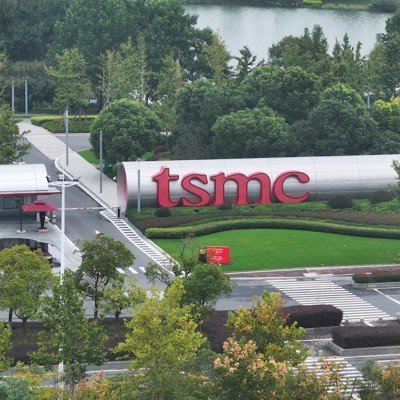
At the hearing, Hammond said a Chinese takeover of Taiwan would spark a “global depression,” because Beijing would choke off the flow of advanced computer chips from the island. That echoes warnings from former Biden Commerce Secretary Gina Raimondo, the conservative Heritage Foundation, and others. Chips made in Taiwan, particularly by world leader TSMC, are key to the world’s manufacturing and economic activity—and will only grow more so in an era dominated by advanced artificial intelligence.
Hammond made the connection: “Over the last 40 years … we’ve shifted all our industries into services, entertainment, law, finance, all things that are about to be deflated by AI. So there’s a world where we build artificial general intelligence, but China is the one that puts it in factories and has the growth benefits.”
He suggested the U.S. redouble its efforts to improve its domestic chip manufacturing with a “CHIPS Act 2.0,” referring to the 2022 law that laid out $52 billion in incentives (including tax breaks) to encourage chip manufacturing in the United States.
He also wants the U.S. government to work harder to keep advanced chips from China. Hammond pointed to the proposed GAIN Act, which would require chipmakers—those in the United States and those selling to the United States—to offer chips to U.S. companies before selling them to China. The language was dropped from the House version of the 2026 defense policy bill, but the Senate is considering adding it to theirs, which means its fate would turn on negotiations and the U.S. president.
Hammond called the act “the least we could do.”
Unmentioned in the hearing were recent moves by the Trump administration to keep chips flowing to China. In July, the White House allowed chipmaker Nvidia to sell its advanced H20 chips, useful in AI work, to China. More recently, the administration has pushed to scuttle the GAIN Act.
Taken together, all of those indicators suggest a Chinese takeover of Taiwan would also yield China a near-permanent advantage in developing and deploying AI. A possible global depression is a price they might be willing to pay, if they emerge far stronger from it.


