Offshore wind is the energy source on which much of the world’s transition depends, but it comes with its own set of challenges, particularly in ensuring the safety of personnel.
This risk was thrown into sharp focus recently when Energy Voice reported that the Health and Safety Executive (HSE), the UK’s national workplace watchdog, had raised concerns about the use of motion compensated gangways (MCGs) following a spate of serious injuries offshore.
Employed to connect service vessels to turbines, these gangways are essential for the transfer of crew and equipment and this worrying rise in safety-related incidents has prompted an urgent call for enhanced safety measures.
At the mercy of the elements
MCGs are designed to adjust for the movement of the sea, thereby providing a stable platform for transferring personnel between vessels and turbines.
But despite their advanced technology, the dynamic and often unpredictable nature of the ocean can render these gangways susceptible to mishaps.
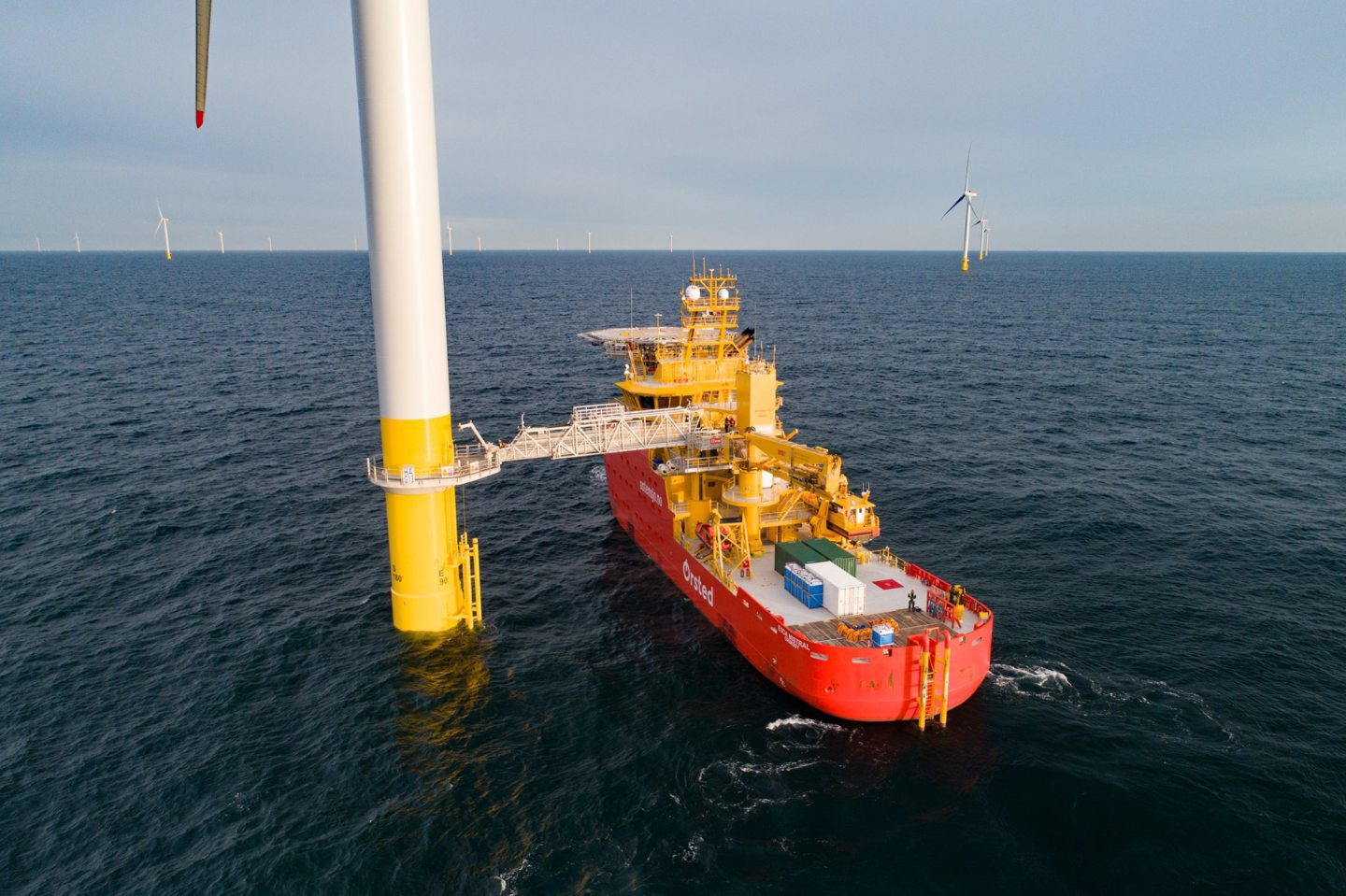 © Supplied by Orsted
The primary issue stems from the discrepancies between forecasted and actual sea conditions, which can lead to poor vessel positioning, heightening the risk of accidents.
One effective solution to mitigate these risks is the utilisation of accurate real-time wave measurements onboard offshore wind service vessels.
Miros recently worked with Rem Offshore to enhance sea state understanding for the Rem Power CSOV, a state-of-the-art ship that won the “Offshore Energy Vessel of the Year Award 2024”.
By continuously monitoring the ocean’s surface, the vessel can adjust its heading to minimise movement, thus providing a more stable platform for the gangway.
Advantages of real-time wave measurements
Sea state monitoring has always been an integral part of safe work offshore, be that in energy, maritime or fishing.
For centuries, the best and only monitoring tool was the human eye but advances in forecasting, radars and sensors mean vessel captains now have a world of information at their fingertips.
Real-time wave measurements enhance safety by aligning vessel operations with live data, thereby significantly reducing the risks associated with gangway use.
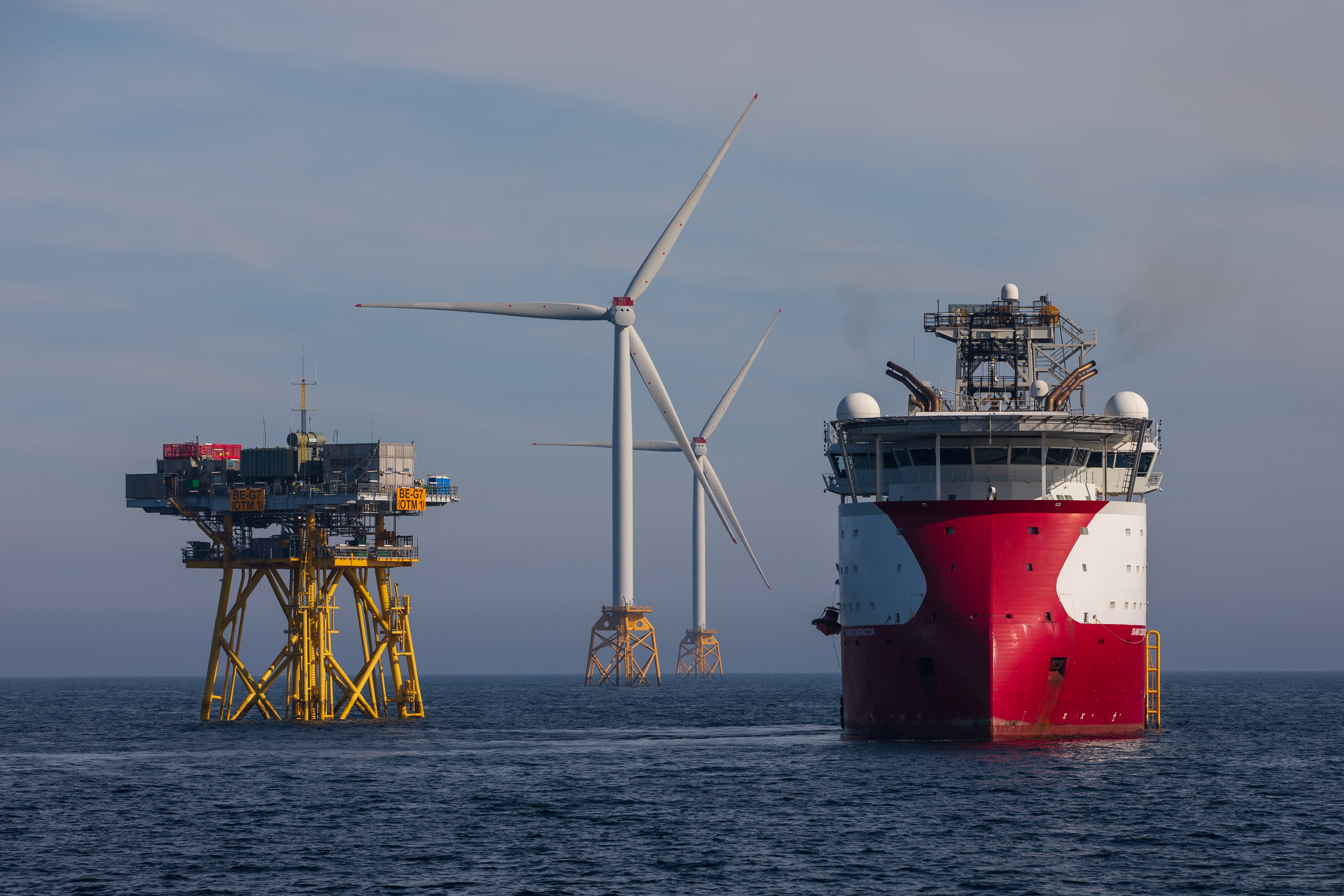
Accurate information also allows for better planning and execution of transfers, reducing downtime and increasing the operational efficiency of offshore projects.
With up to the minute data, potential hazards can be identified and addressed before they escalate into serious incidents.
This proactive approach to risk management is essential in maintaining the integrity of offshore operations and reducing the scope for injury.
The imperative for adoption
But despite the obvious benefits, gaps in the industry remain and the adoption of real-time wave measurement technology is not yet universal.
This reluctance is often due to the perceived costs and logistical challenges associated with retrofitting existing vessels.
Experience has shown however that such systems can be installed and commissioned during routine operations, such as crew changes or transit periods, minimizing disruption and cost.
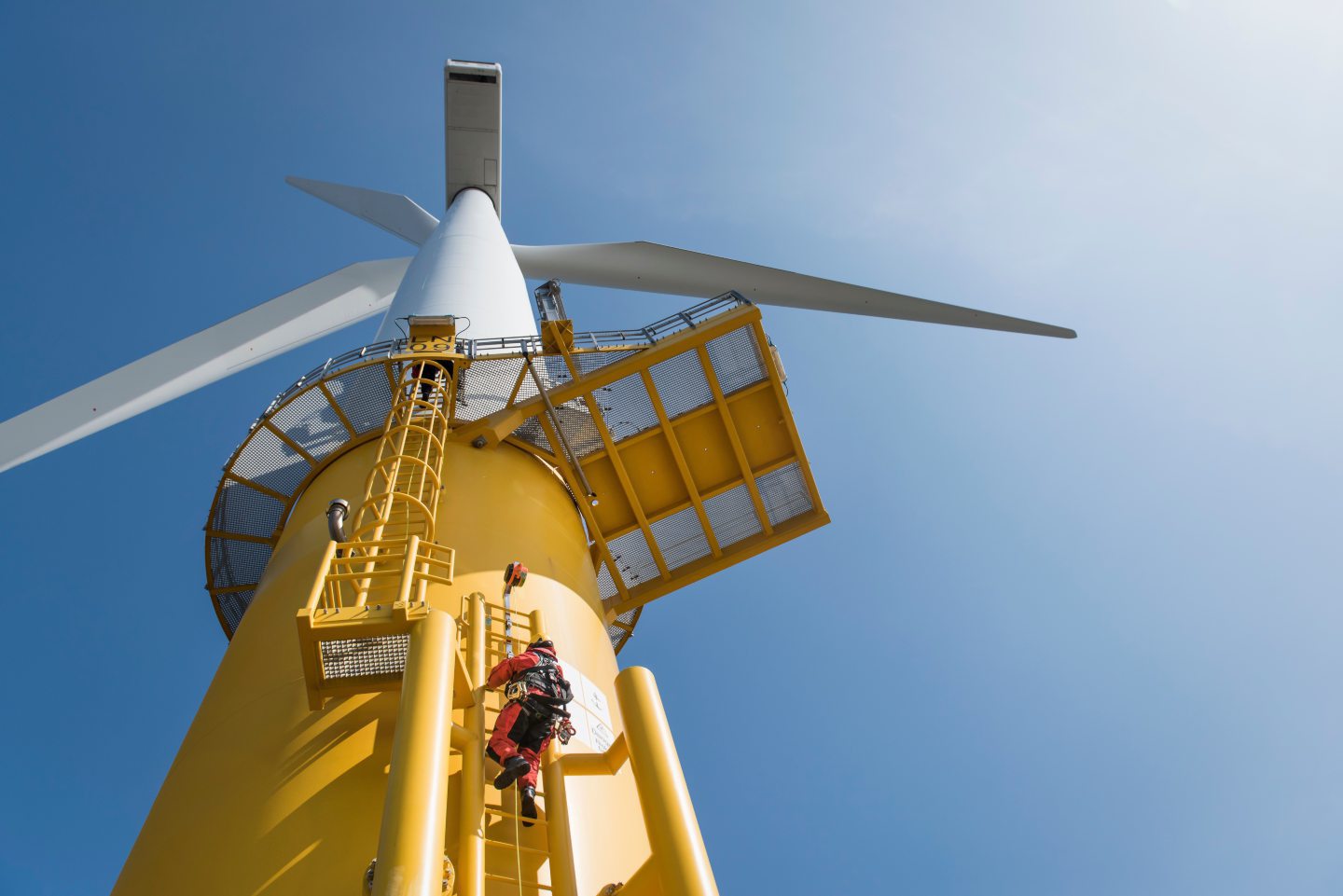 © Image: GettyImages
Just take the example of the Rem Power CSOV.
Moreover, for new builds, incorporating this technology from the outset is a straightforward decision.
The industry cannot afford put a price on safety and investment in real-time wave measurement technology will pay dividends, often immediately.
The rising number of incidents around MCGs calls for immediate action, and vessel owners, captains and crews should make use of all the available technology and information to shield against unpredictability.
Investing in real-time wave measurement systems is not just about compliance with safety regulations; it’s about safeguarding the lives of personnel, ensuring the sustainable growth of the industry, and delivering a future with more efficient offshore wind operations.
Chris Moncrieff is a sales executive with Westhill-based Miros.
Recommended for you