


– Advertisement –
Nigeria’s vulture population is collapsing at an alarming rate, sparking concerns over ecological stability, illegal wildlife trade, and public health risks. Six of the seven vulture species recorded in the country are classified as threatened or endangered, with population declines exceeding 90 percent in some areas.
Dr. Stella Egbe, Senior Conservation Manager at the Nigerian Conservation Foundation (NCF), warns: “The Hooded Vulture, which used to be the most common species in Nigeria, has declined by about 95 percent. Key urban centers that once supported vultures can no longer sustain them. This is the dire state across the country.”
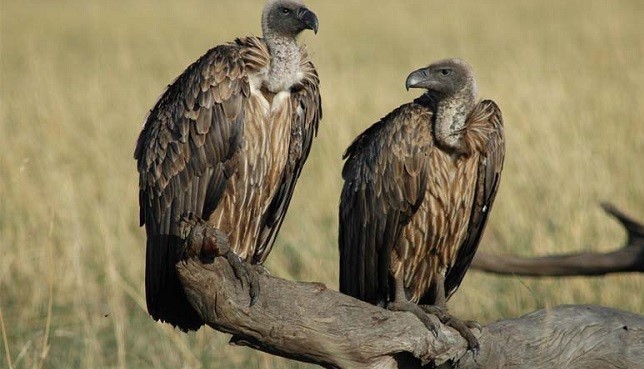
Vultures are crucial to the functioning of Nigeria’s environment, serving as natural waste managers. Their highly acidic digestive systems neutralise pathogens found in carcasses that could otherwise spread disease.
“They’ve rightly been named nature’s cleanup crew,” Dr. Egbe explains. “If carcasses are left unattended, they become breeding grounds for diseases. Research in India has shown that vulture declines were linked to increased zoonotic infections from dogs and rats. That same risk exists in Nigeria if the decline continues unchecked.”
The loss of vultures could drive up sanitation costs and strain public health systems already battling recurring outbreaks of zoonotic diseases.
Cultural and religious practices across Nigeria present mixed outcomes for vulture survival. While some traditions once respected the species, others now contribute to its decline.
“Vultures historically validated sacrifices in traditional practices, but today they are being harvested for spiritual uses, especially in traditional medicine,” Dr. Egbe says. “Belief-based demand has become one of the major drivers of population collapse.”
Proverbs in Yoruba culture discourage vulture killing, yet exploitation continues. In northern Nigeria, belief-based use is rising rapidly, fueling cross-border wildlife trafficking.
In her submission, Dr. Egbe noted that vultures face simultaneous threats such as: Indiscriminate Killing, Habitat Loss, Illegal Trade, and Poisoning, among others.
“Poisons are the instruments used to meet demand,” Dr. Egbe confirms. “The chain starts with cultural demand, which drives illegal trade. Hunters respond by poisoning vultures, wiping out entire colonies. The rate of killing has surpassed their natural breeding capacity.”
Nigeria’s Endangered Species Act and the National Biodiversity Action Plan both list vultures as priority species. Yet enforcement remains inconsistent.
“The effectiveness of these laws is limited by weak awareness and scarce resources,” Dr. Egbe explains. “As we continue to pair awareness with enforcement, we hope to see behavioral changes that will be reflected in the recovery of vulture populations.”
Law enforcement agencies such as the National Environmental Standards and Regulations Enforcement Agency (NESREA) are mandated to act, but illegal trade in wildlife markets persists openly.
The NCF and its partners are implementing community-based conservation programmes in Anambra and Rivers states, where cultural traditions still discourage vulture killings.
“We work with communities to ensure that they lead conservation efforts,” Dr. Egbe notes. “Awareness has changed attitudes. People who once ignored vultures are now taking measures to protect them.”
The foundation also engages traditional healers to adopt plant-based substitutes for vulture parts in spiritual medicine. International support comes from BirdLife International, CITES, and regional collaborations under the West African Vulture Conservation Action Plan.
Despite the crisis, experts believe vultures can recover if urgent interventions are scaled up.
“Wild birds are reactive to environmental changes, but they can recover under the right conditions,” Dr. Egbe says. “The key is continuous awareness, enforcement of existing laws, and protection of surviving populations that can repopulate lost areas.”
She stresses that public participation remains critical: “Every big ecological collapse begins with small changes. The disappearance of one species or the loss of a single habitat may look insignificant, but they add up. Nigerians must be more aware of these shifts and take action before it is too late.”
Nigeria’s vultures are vanishing. Their loss threatens not only biodiversity but also public health and environmental stability. Without urgent, coordinated action, the country risks repeating the devastating ecological consequences already documented elsewhere.
As Dr. Egbe warns, saving vultures is not just about conserving a bird species. It is about protecting human health, cultural balance, and the integrity of Nigeria’s ecosystem.
By Ajibola Adedoye
This article (“Vanishing Vultures: Nigeria Faces Ecological And Public Health Risks As Populations Collapse”) was funded by a grant from the United States Department of State (via Wild Africa). The opinions, findings, and conclusions stated herein are those of the author(s) and do not necessarily reflect those of the United States Department of State


