
• Business
  • Markets
  • Politics
  • Crypto
  • Finance
  • Intelligence
    • Policy Intelligence
    • Security Intelligence
    • Economic Intelligence
    • Fashion Intelligence
  • Energy
  • Technology
  • Taxes
  • Creator Economy
  • Wealth Management
  • LBNN Blueprints
  • Business
  • Markets
  • Politics
  • Crypto
  • Finance
  • Intelligence
    • Policy Intelligence
    • Security Intelligence
    • Economic Intelligence
    • Fashion Intelligence
  • Energy
  • Technology
  • Taxes
  • Creator Economy
  • Wealth Management
  • LBNN Blueprints

USB-C Is Now the Law of the Land in Europe

Simon Osuji by Simon Osuji
January 3, 2025
in Artificial Intelligence
0
USB-C Is Now the Law of the Land in Europe
0
SHARES
0
VIEWS
Share on FacebookShare on Twitter


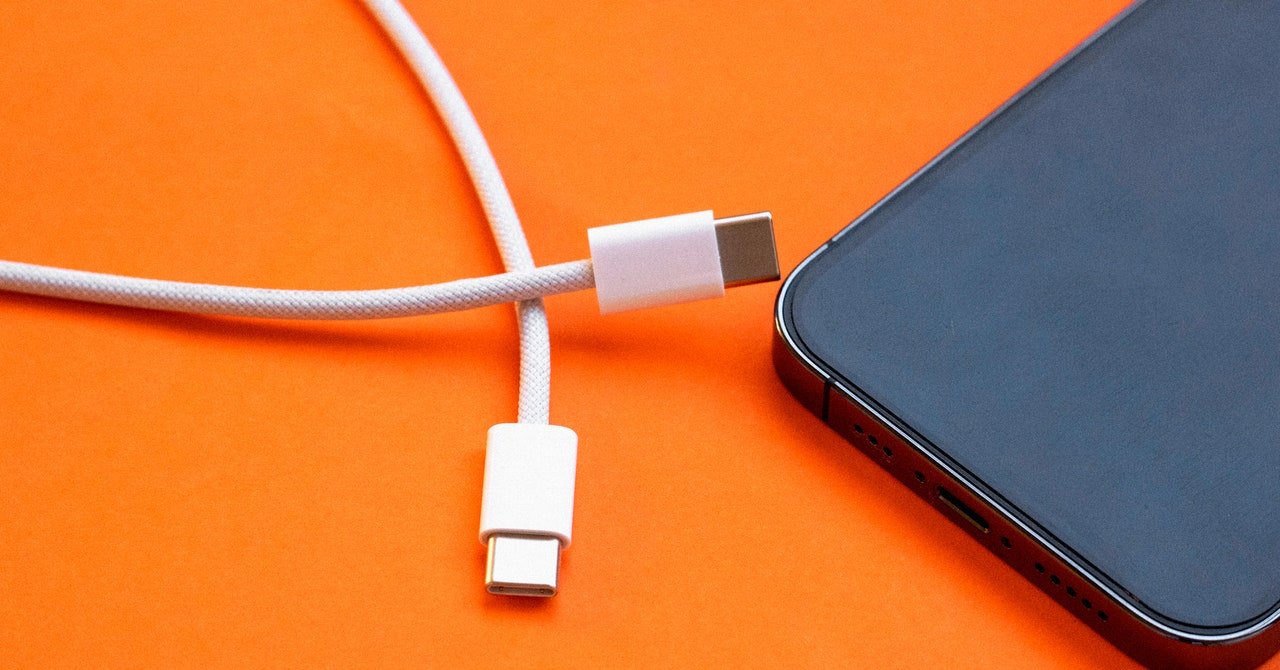
“It’s time for THE charger,” the European Commission posted to X on December 28, 2024. While the sentiment applies only to one continent (and not all of it) and only certain devices, the Common Charger Directive now in effect in the European Union suggests that far fewer gadgets will foist barrels, USB-micro, or proprietary plugs onto their owners.

The Common Charger Directive demands that a “USB-C receptacle” be equipped on “radio equipment” that is “equipped with a removable or embedded rechargeable battery” and “can be recharged via wired charging.” If it has a battery and can be powered by up to 100 watts through a USB-C connection, it’s generally subject to the EU’s USB-C requirements. The directive applies to devices “placed on the market”—sent to a distributor or buyer—after December 28, even if they were initially designed and sold before that date.

Laptops get until April 2026 to comply, but most other things—phones, tablets, handheld gaming devices, computer accessories, and wireless headphones—will have to be powered by USB-C to be sold inside the EU from now on. Drones, for the time being, are largely unaddressed by the directive, but the EU will likely get around to them.

The directive contains several exceptions and some wiggle room. Devices with non-rechargeable batteries, like coin cells or AA/AAA batteries, get a pass, such that many smart home gadgets are off the hook. There is some vague language around devices that recharge inside a case or box, although earbud cases are specifically included in the mandate. Devices that only charge wirelessly are also exempted. And a device can offer another charging option, like Apple’s MagSafe or proprietary plugs, so long as USB-C charging is also available.

Fewer Bricks, Standardized “Fast Charging”

The most significant impact this USB-C requirement has had so far is on Apple, which, while initially resisting, has gradually shifted its products from its proprietary Lightning connector to USB-C. Its latest iMac comes with a Magic Keyboard, Magic Mouse, and Magic Trackpad that all connect via USB-C. The firm stopped selling the Lightning-charging iPhone 14 and iPhone SE in the EU after December 28.

In addition to simply demanding that a USB-C port be present, the Directive requires that anything with “fast charging”—pulling more than 5 volts, 3 amperes, or 15 watts—enable the USB Power Delivery (USB PD) standard. This should ensure that they properly negotiate charging rates with any charger with USB PD rather than require their own proprietary charging brick or adapter.

In Europe, devices must indicate on their product boxes whether they contain a charging plug or mid-cord brick. A different label will indicate the minimum and maximum power that a device requires to charge and whether it can support USB PD or not.

Can the EU Make Cables and Cords Get Along?

The EU’s celebratory post on X is heavy with replies from doubters, suggesting that mandating USB-C as “THE charger” could stifle companies innovating on other means of power delivery. Most of these critiques are addressed in the actual text of the law, because more powerful devices are exempted, secondary power plugs are allowed, and wireless largely gets a pass. “What about when USB-D arrives?” is something no person can really answer, though it seems a vague reason to avoid addressing the e-waste, fragmentation, and consumer confusion of the larger device charging ecosystem.

How the Common Charger Directive will be enforced is yet to be seen, as that is something left up to member nations. Also unproven is whether companies will comply with it across their international product lines or simply make specific EU-compliant products.

This story originally appeared on Ars Technica.


Source link

Related posts

Code Metal Raises $125 Million to Rewrite the Defense Industry’s Code With AI

Code Metal Raises $125 Million to Rewrite the Defense Industry’s Code With AI

February 22, 2026
The Olympics and Politics Are More Intertwined Than Ever. Maybe That’s a Good Thing

The Olympics and Politics Are More Intertwined Than Ever. Maybe That’s a Good Thing

February 22, 2026
Previous Post

Monetary contribution to the National Association of Eritrean War Disabled Veterans (NAEWDV)

Next Post

Don calls for safeguarding of African forests via harmonised biosecurity policies – EnviroNews

Next Post
Don calls for safeguarding of African forests via harmonised biosecurity policies – EnviroNews

Don calls for safeguarding of African forests via harmonised biosecurity policies - EnviroNews

Leave a Reply Cancel reply

Your email address will not be published. Required fields are marked *

RECOMMENDED NEWS

Subscription-Based RIA Services Platform Rossby Adds 3 Teams

Subscription-Based RIA Services Platform Rossby Adds 3 Teams

2 years ago
12 Best Black Friday Laptop Deals (2024): Acer, Apple, Anker

12 Best Black Friday Laptop Deals (2024): Acer, Apple, Anker

1 year ago
Africa’s tallest skyscraper project resumes as Ethiopia revives $445 million tower bid

Africa’s tallest skyscraper project resumes as Ethiopia revives $445 million tower bid

8 months ago
Recover Lost Files Like a Pro: Hands-On Review of Stellar Data Recovery for macOS | IT News Africa

Recover Lost Files Like a Pro: Hands-On Review of Stellar Data Recovery for macOS | IT News Africa

7 months ago

POPULAR NEWS

  • Ghana to build three oil refineries, five petrochemical plants in energy sector overhaul

    Ghana to build three oil refineries, five petrochemical plants in energy sector overhaul

    0 shares
    Share 0 Tweet 0
  • The world’s top 10 most valuable car brands in 2025

    0 shares
    Share 0 Tweet 0
  • Top 10 African countries with the highest GDP per capita in 2025

    0 shares
    Share 0 Tweet 0
  • Global ranking of Top 5 smartphone brands in Q3, 2024

    0 shares
    Share 0 Tweet 0
  • When Will SHIB Reach $1? Here’s What ChatGPT Says

    0 shares
    Share 0 Tweet 0

Get strategic intelligence you won’t find anywhere else. Subscribe to the Limitless Beliefs Newsletter for monthly insights on overlooked business opportunities across Africa.

Subscription Form

© 2026 LBNN – All rights reserved.

Privacy Policy | About Us | Contact

Tiktok Youtube Telegram Instagram Linkedin X-twitter
No Result
View All Result
  • Home
  • Business
  • Politics
  • Markets
  • Crypto
  • Economics
    • Manufacturing
    • Real Estate
    • Infrastructure
  • Finance
  • Energy
  • Creator Economy
  • Wealth Management
  • Taxes
  • Telecoms
  • Military & Defense
  • Careers
  • Technology
  • Artificial Intelligence
  • Investigative journalism
  • Art & Culture
  • LBNN Blueprints
  • Quizzes
    • Enneagram quiz
  • Fashion Intelligence

© 2023 LBNN - All rights reserved.
