
The US Army has chosen Picogrid’s Legion software to address a persistent challenge on the battlefield: connecting military systems that struggle to communicate effectively with one another.
The platform ingests data from a range of sources, including legacy equipment, modern sensors, and weapon systems, and integrates it into tools like the Tactical Awareness Kit (TAK), the army’s primary coordination app.
This results in a more complete, real-time view of the battlefield that supports both faster decision-making and tighter coordination among dispersed units.
“Legion breaks down the walls between systems that were never meant to work together,” said Martin Slosarik, co-founder of Picogrid. “We’re giving soldiers access to powerful, modular software that plugs into what they already use and extends its capabilities.”
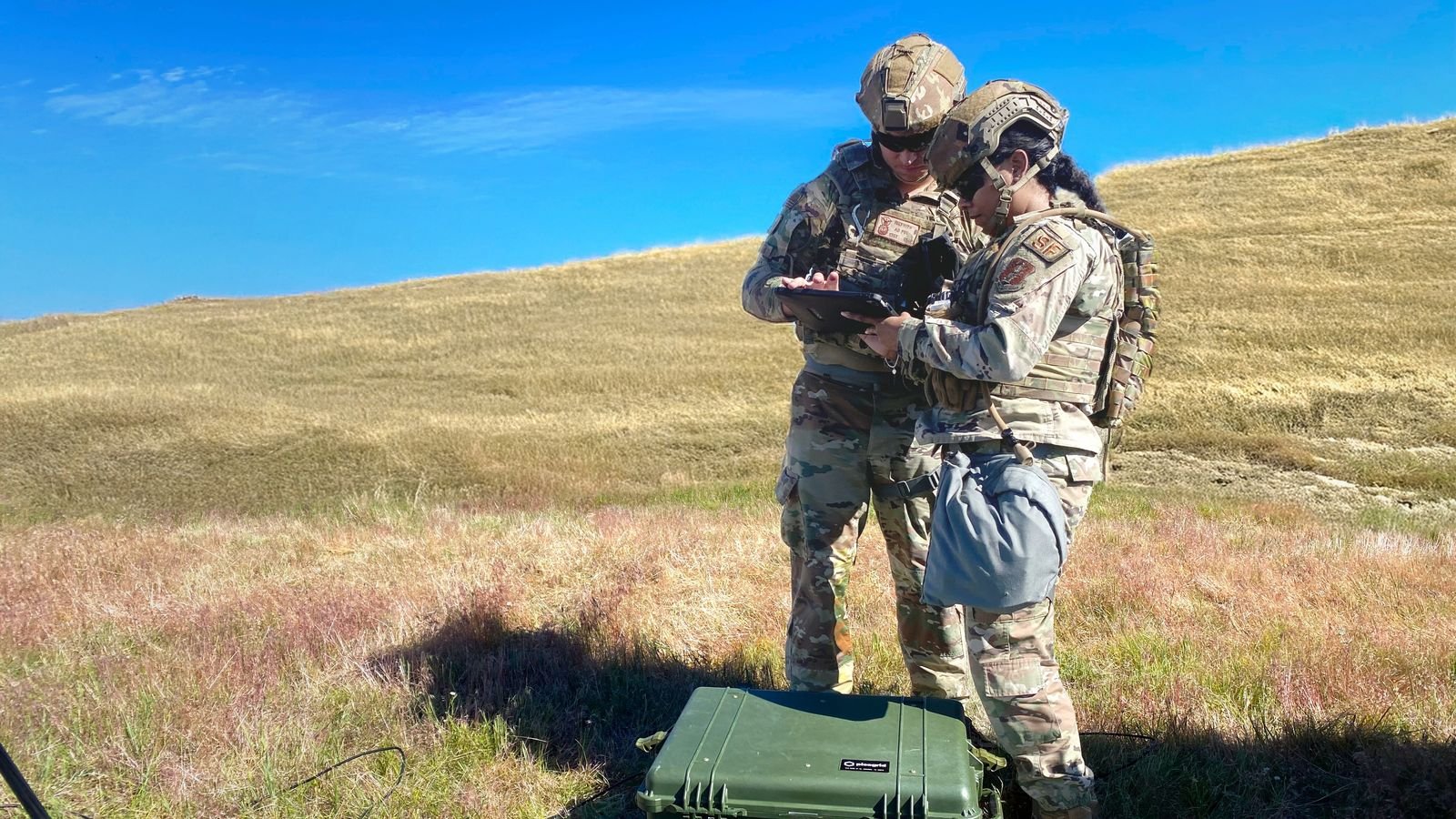
According to Picogrid, the software has already been field-tested by the US Air Force and Space Force, and has been used in multiple large-scale army exercises to evaluate its performance in operational environments.
Part of a Broader Push to Modernize
The US Army’s adoption of Legion comes amid a broader effort to overhaul how it integrates and deploys emerging technologies.
In a recent “Letter to the Force,” Army Chief of Staff Gen. Randy George and Secretary of the Army Dan Driscoll emphasized the need to outpace evolving threats, citing a battlefield increasingly shaped by autonomous systems, sensors, and dual-use technologies.
To respond, the army launched the Army Transformation Initiative, a campaign to accelerate innovation, adapt faster to shifting conditions, and equip soldiers with more flexible, mission-ready tools.
Central to that mission is ensuring new technologies can work seamlessly with both old and modern military systems.
Legion is built to operate across that “fragmented” landscape. Rather than replacing existing infrastructure, it extends it, serving as a connective layer that enables interoperability across platforms not originally designed to work together.
The program is being led on the government side by the US Army Engineer Research and Development Center’s Construction Engineering Research Laboratory, with Program Manager David Delaney overseeing the initiative.
The new contract is expected to support continued evaluation of Legion and prepare it for operational deployment.