• Business
  • Markets
  • Politics
  • Crypto
  • Finance
  • Intelligence
    • Policy Intelligence
    • Security Intelligence
    • Economic Intelligence
    • Fashion Intelligence
  • Energy
  • Technology
  • Taxes
  • Creator Economy
  • Wealth Management
  • LBNN Blueprints
  • Business
  • Markets
  • Politics
  • Crypto
  • Finance
  • Intelligence
    • Policy Intelligence
    • Security Intelligence
    • Economic Intelligence
    • Fashion Intelligence
  • Energy
  • Technology
  • Taxes
  • Creator Economy
  • Wealth Management
  • LBNN Blueprints

Updated carbon tax framework and its impact on high-emission industries

Simon Osuji by Simon Osuji
April 9, 2025
in Manufacturing
0
Updated carbon tax framework and its impact on high-emission industries
0
SHARES
0
VIEWS
Share on FacebookShare on Twitter


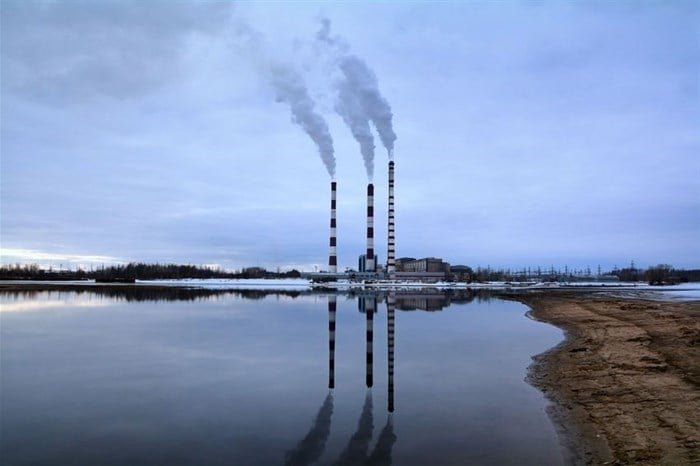
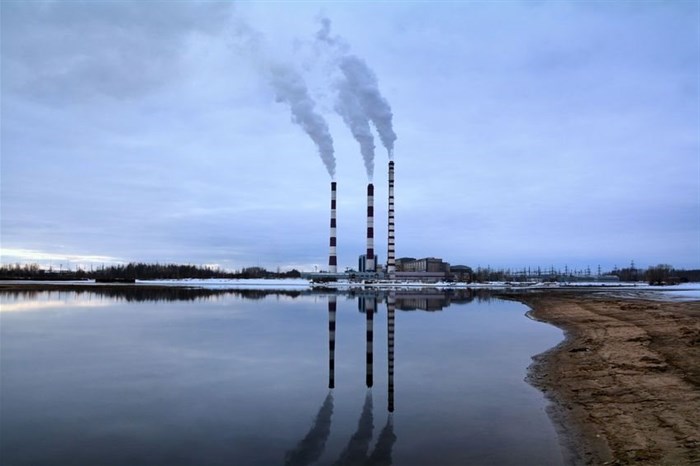
Image source: jordano2000 –

In order to achieve this, SA government has revised the carbon tax incentives and deterrents, which has lead to a decrease of the tax-free carbon allowance and an increase of the carbon tax rate. This will have significant implications across various industries, especially for carbon-intensive ones.

Phase 2 of the carbon tax framework is set to commence in 2026.

Roxanna Naidoo, head of Global Strategy at Latita Africa, outlines some of the key revisions and the impact they will have on different industries. One of the biggest changes is a cut in the tax-free carbon allowance from 60% to 30% by 2026. This is meant to encourage companies to reduce their carbon emissions, says Naidoo.

Every year until 2030, there will be a further annual reduction of this allowance by 2.5 percentage points. Meanwhile, government is increasing the offset allowance for combustion emissions from 10% to 25% to encourage companies to invest in approved carbon offset projects in order to reduce their carbon tax liability.

Image:

Impact on carbon-intensive industries

The reduction in tax-free allowances will substantially raise the tax liabilities in traditionally carbon-intensive industries such as mining, steel, and cement production.

“This escalation in operational costs may compel these sectors to invest in cleaner technologies and enhance energy efficiency to mitigate financial impacts,” says Naidoo. “Although the increased offset allowance offers some relief by permitting greater use of carbon offsets, it may not fully counterbalance the heightened tax burden.”

The energy sector, led by state-owned Eskom with its heavy reliance on coal-fired power generation, will also face increased financial pressure. Here the revised tax structure aims to encourage a shift towards renewable energy sources without directly passing additional costs onto consumers, according to Naidoo. However, the transition may necessitate significant investment in renewable infrastructure and could influence electricity pricing strategies.

The retired coal-fired Komati Power Station, operated by Eskom, is seen near Komati village, in the Mpumalanga province in South Africa, 9 May 2024. Reuters/Siphiwe Sibeko/File Photo

Staying competitive

For export-oriented industries, the higher domestic carbon tax may bring some advantages in the global context. South African products are likely to benefit from the reduced carbon price differential, potentially mitigating additional tariffs on exports into jurisdictions with carbon tax frameworks such as the European Union’s Carbon Border Adjustment Mechanism (CBAM).

“This alignment with international carbon pricing can enhance the global competitiveness of South African goods,” says Naidoo.

She points out that the policy changes are also creating opportunities for growth in renewable energy and carbon offset projects. “Companies may increasingly invest in renewable energy initiatives to reduce taxable emissions,” she says.

“Additionally, the expanded offset allowance incentivises the development of projects that generate carbon credits, fostering innovation and investment in sustainable practices.”

While South Africa’s stricter carbon tax policy will present challenges, particularly for carbon-intensive sectors, it also offers opportunities for innovation, investment in cleaner technologies, and alignment with global carbon pricing mechanisms. Naidoo advises industries to proactively adapt to these changes to maintain competitiveness and contribute to national and global climate objectives.



Source link

Related posts

Always, Kotex, Lil-Lets and 6 others under investigation following UFS study

Always, Kotex, Lil-Lets and 6 others under investigation following UFS study

February 27, 2026
Hormone-disrupting chemicals found in popular South African sanitary pads and pantyliners

Hormone-disrupting chemicals found in popular South African sanitary pads and pantyliners

February 17, 2026
Previous Post

Al Masaood Group signs strategic agreement with ADNOC Distribution to enhance lubricant supply chain

Next Post

US Navy Accepts First Lionfish Underwater Drones From HII

Next Post
US Navy Accepts First Lionfish Underwater Drones From HII

US Navy Accepts First Lionfish Underwater Drones From HII

Leave a Reply Cancel reply

Your email address will not be published. Required fields are marked *

RECOMMENDED NEWS

Shiba Inu May End Price Prediction: Can SHIB Reclaim $0.00003?

Shiba Inu May End Price Prediction: Can SHIB Reclaim $0.00003?

2 years ago
Trump’s Golden Dome excuse for Greenland grab is ‘detached from reality,’ experts say

Trump’s Golden Dome excuse for Greenland grab is ‘detached from reality,’ experts say

2 months ago
Muizz – Investment Management in Africa

Muizz – Investment Management in Africa

1 year ago
After ceasefire, Biden signals optimism for broader Middle East peace

After ceasefire, Biden signals optimism for broader Middle East peace

1 year ago

POPULAR NEWS

  • Ghana to build three oil refineries, five petrochemical plants in energy sector overhaul

    Ghana to build three oil refineries, five petrochemical plants in energy sector overhaul

    0 shares
    Share 0 Tweet 0
  • Mahama attends Liberia’s 178th independence anniversary

    0 shares
    Share 0 Tweet 0
  • The world’s top 10 most valuable car brands in 2025

    0 shares
    Share 0 Tweet 0
  • Top 10 African countries with the highest GDP per capita in 2025

    0 shares
    Share 0 Tweet 0
  • Global ranking of Top 5 smartphone brands in Q3, 2024

    0 shares
    Share 0 Tweet 0

Get strategic intelligence you won’t find anywhere else. Subscribe to the Limitless Beliefs Newsletter for monthly insights on overlooked business opportunities across Africa.

Subscription Form

© 2026 LBNN – All rights reserved.

Privacy Policy | About Us | Contact

Tiktok Youtube Telegram Instagram Linkedin X-twitter
No Result
View All Result
  • Home
  • Business
  • Politics
  • Markets
  • Crypto
  • Economics
    • Manufacturing
    • Real Estate
    • Infrastructure
  • Finance
  • Energy
  • Creator Economy
  • Wealth Management
  • Taxes
  • Telecoms
  • Military & Defense
  • Careers
  • Technology
  • Artificial Intelligence
  • Investigative journalism
  • Art & Culture
  • LBNN Blueprints
  • Quizzes
    • Enneagram quiz
  • Fashion Intelligence

© 2023 LBNN - All rights reserved.