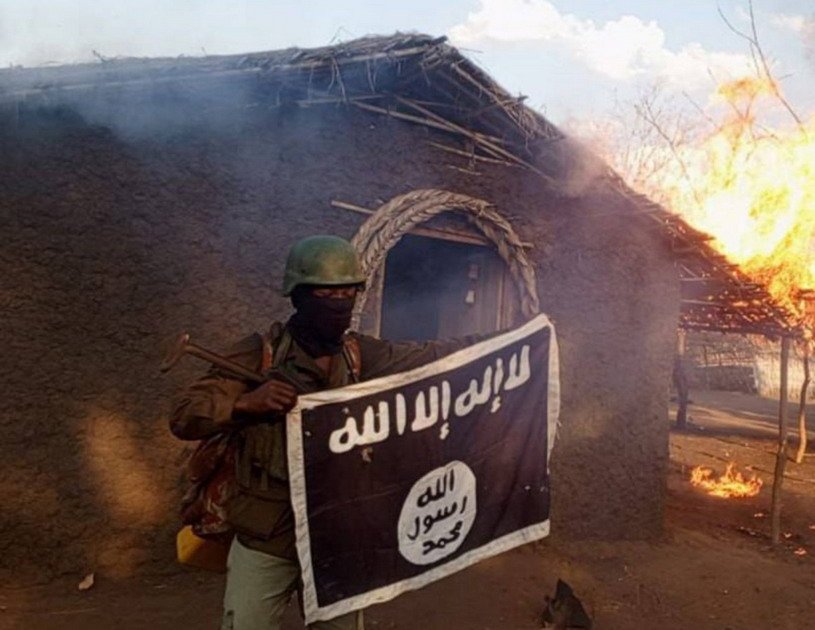

The terrorist group ISIL (Islamic State of Iraq and the Levant), also known as Da’esh and ISIS, the United Nations Security Council (UNSC) heard, continues to adapt and “demonstrate resilience” in the face of sustained counter-terrorism efforts.
Delivering the UN Office of Counter-Terrorism (UNOCT) latest report, Acting Under Secretary-General Alexandre Zouev, told the 15-member UNSC the threat posed by ISIL increased “steadily” since the previous UNOCT report in August. “It remains multi-polar and increasingly complex,” he said.
ISIL and its affiliates continue to recruit foreign fighters, enhance the use of new and emerging technologies and maintain access to funding – including by measures such as unlawful taxation and kidnapping for ransom, according to the report.
The terrorist group continues to expand its presence in parts of Africa with West Africa and the Sahel picked out as one where the ISIL presence in the Lake Chad basin region is expanding its prominence.
“Their efforts and demonstrated capacity to control territory are deepening regional instability and further weakening the capacity of national authorities to address inter-connected security, human rights and development challenges,” Zouev told the UNSC.
On Africa specifically, he urged UN member states to exercise political ownership and “forge unified, coherent, and joint responses” with the rider that “nationally owned and inclusive prevention” remain at the heart of international counter-terrorism efforts.
“The intensification of the threat posed by Da’esh and its affiliates, despite significant national and international efforts, underscores how imperative it is to sustain global co-operation on counter-terrorism,” he said.
Another who briefed the UNSC on counter-terrorism was Nathalia Gherman, Executive Director of the Counter-Terrorism Committee Executive Directorate (CTED) – the secretariat for the Council’s own Counter-Terrorism Committee (CTC).
She said the last six months showed Da’esh continues to “perpetrate and inspire terrorist attacks globally” with devastating impact. Three African countries – Cameroon, Chad and Somalia – were among seven on the CTED assessment visit list for 2025. The visits, according to her, see tailored recommendations made and technical assistance needs identified.