

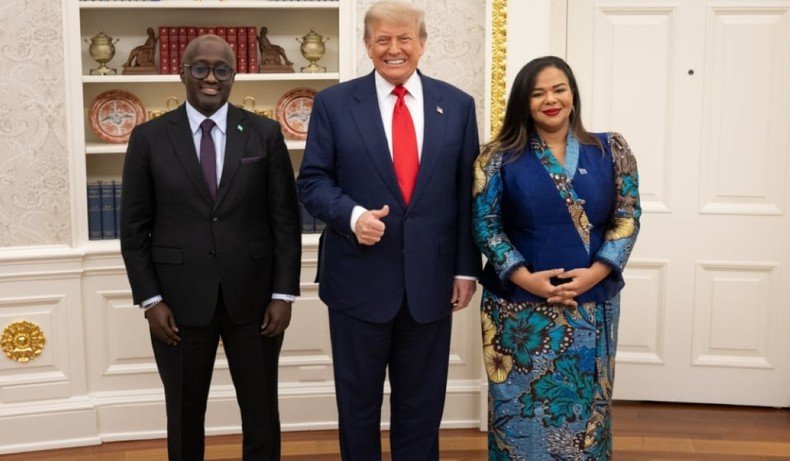
This assertion was made by Donald Trump’s senior envoy for Arab and African affairs, Massad Boulos during an interview in Rome.
“We think it’s achievable,” he said as he spoke about a deal in Libya, which has been in disarray since Muammar Qaddafi was overthrown.
“You can’t expect a peace process to be implemented overnight,” he added. “I hope that this process moves fast,” he added.
The ambassador who was in Rome for meetings with African dignitaries, as seen in a report by Bloomberg, also noted that the United Nations will soon call for another round of negotiations to try to bring peace in the North African nation, while the United States is also working to reunify the National Oil Corporation and the central bank.
“Let’s not forget that this conflict has been going on now for a very long time, for many years,” Boulos said. “Same thing with DRC/Rwanda.”
The U.S envoy further warned of the delicate situation in Sudan, noting that the East African country was “currently the world’s biggest humanitarian crisis,” as the US is tackling it with the help of the UN and humanitarian organizations.
The Sudanese city of El Fasher is particularly devastated as it has been “under siege for the last year and a half’,” he said.
“People are really suffering. We have probably about 300,000 people remaining inside El Fasher with no food and no medical care. They’ve been eating animal feed lately.”
The envoy defined lifting the siege of El Fasher and negotiating a three-month ceasefire in Sudan as his “top priority,” stressing that he was discussing with Saudi Arabia, the United Arab Emirates, and Egypt to help with this objective.
U.S’s involvement in peace talks with M23 and Congo
On April 25, in Washington, Rwanda and the DRC agreed to work toward a peace and economic cooperation deal, one that emphasized mutual respect for sovereignty and the creation of a comprehensive draft agreement by May 2nd.
Soon after, the United States began demanding stricter terms to advance the process since diplomatic lines were as active as ever.
Among these was the demand that Rwanda remove all of its troops from eastern Congo, a crucial step to foster trust that both Kinshasa and foreign observers believe cannot be compromised.
U.S. diplomats also asked for assurances about the end of cross-border financing for armed groups, verification processes, and projects to promote economic development in the eastern provinces, which have been left undeveloped and devastated by decades of conflict.
Washington’s presence gave the talks more substance and contributed to the shift in tone from hostility to cautious cooperation.
This committee was tasked with overseeing the gradual implementation of the US-brokered peace agreement.


