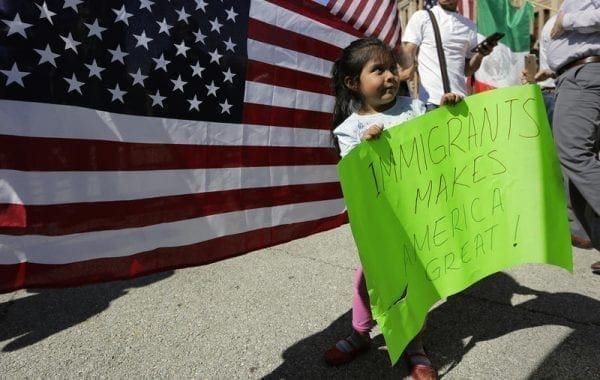

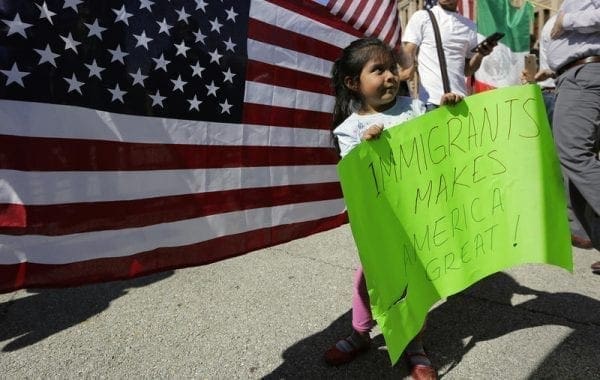
In the aftermath of the Trump administration’s aggressive stance on immigration, the U.S. economy is contending with a profound labor shortage—one that’s not only affecting small businesses and farms but also rippling through corporate giants like Amazon, Disney, and Tyson Foods.
The effects are being acutely felt across a range of industries, particularly those historically dependent on immigrant labor.
– Advertisement –
By targeting both unauthorized immigrants and legal visa holders through policy rollbacks, increased deportations, and bureaucratic slowdowns, the enforcement approach has disrupted the availability of skilled and unskilled labor alike.
As a result, businesses are facing escalating challenges in recruitment, retention, and output efficiency.
Key Sectors Hit the Hardest:
Agriculture: Farms are struggling to find enough workers to plant, tend, and harvest crops. With fewer seasonal migrant laborers, some farmers have left produce to rot in fields, incurring millions in losses and contributing to rising food prices.
Meat Processing & Food Manufacturing: These jobs are typically filled by immigrants due to their physically demanding nature. Facilities have reported understaffing and slower production rates, further stressing supply chains.
Hospitality & Entertainment: Companies like Disney, which employ large numbers of workers in parks and resorts, have faced hiring difficulties, especially for roles in food service, custodial, and customer service. Guest experience and operations have been affected.
– Advertisement –
E-Commerce & Logistics: Major employers like Amazon rely on a vast warehouse and delivery workforce. In areas with significant immigrant populations, stricter immigration enforcement and fewer foreign-born workers have made it harder to staff fulfillment centers, leading to delays and reduced capacity during peak seasons.
Broader Economic Impacts:
Wage Pressures: Labor scarcity has pushed wages up in some sectors, but this often comes with increased prices for consumers and reduced profit margins for businesses.
Inflation & Supply Chain Disruptions: The inability to maintain smooth production and distribution due to labor gaps contributes to inflationary pressures and delays in supply chains.
Innovation & Entrepreneurship Decline: Immigrants are disproportionately responsible for founding startups and small businesses. Their reduced presence is being felt not just in labor shortages but in the innovation and dynamism of the U.S. economy.
Looking Ahead:
Unless there’s a substantial shift in immigration policy to reintroduce a steady flow of both high- and low-skilled immigrant labor, the U.S. risks long-term competitiveness challenges.
Industries may either automate rapidly (at the cost of jobs for lower-skilled domestic workers) or consider relocating operations overseas.