

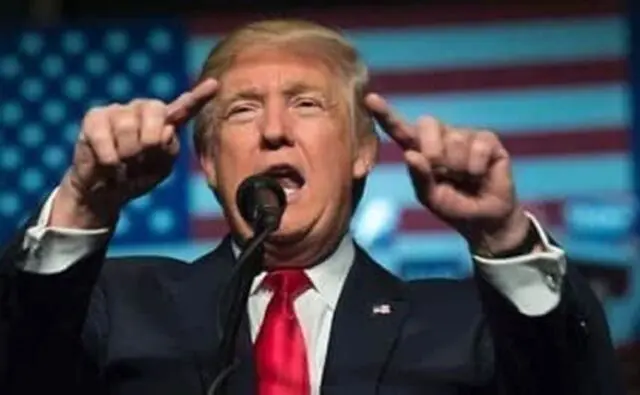

In a Thanksgiving-night post, Donald Trump said his administration will “permanently pause migration from all Third World Countries.” He linked this announcement to the recent shooting of two United States National Guard (US National Guard) members in Washington, D.C. — one of whom later died.
According to Trump’s post, the pause would apply broadly: not only to new immigration, but also to many migrants already in the U.S. He called for ending federal benefits to non-citizens, revoking status for those deemed a “public charge” or “not a net asset,” and even “denaturalizing” migrants he judged “incompatible with Western civilization.”
At the same time, U.S. immigration authorities have already taken immediate steps: the U.S. Citizenship and Immigration Services (USCIS) announced a suspension of all immigration processing for Afghan nationals. The agency also said it will re-examine green cards and asylum approvals from a group of 19 “countries of concern,” though the administration has not publicly clarified which nations fall under the broader “Third World” label.
Why This Announcement Matters
- Major escalation of immigration policy. This “permanent pause” is not merely a temporary halt — it signals a sweeping, indefinite shift in U.S. immigration policy under Trump’s second presidency. Many of the measures he described (denaturalization, mass deportations, ending benefits for noncitizens) go beyond previous restrictions.
- Ambiguity clouds feasibility and legality. Trump offered no clear definition of “Third World Countries,” nor concrete details about how and when the pause would be put into effect. Past immigration bans faced significant legal and political challenges.
- Potential impact on millions. The measures could affect both new immigrants and existing residents, including legal permanent residents, naturalized citizens, asylum seekers, and individuals with green cards. Ending benefits and revoking citizenship could have huge social, economic, and human rights implications.
- Spark for broader policy overhaul. The announcement builds on prior actions from the administration — including a travel ban on specific countries under Proclamation 10949 and previous reductions in refugee admittance — and signals an intent to expand restrictions further.
Controversy, Criticism, and Legal/Practical Questions
- No clarity or transparency. Analysts and immigration advocates have already warned that a sweeping freeze without defined criteria could lead to chaotic implementation, arbitrary decisions, and violations of due process. Critics argue collective punishment of entire nationalities based on individual criminal acts undermines fundamental principles of justice.
- Logistical and legal barriers. Implementing nationwide denaturalization or mass deportations would require massive bureaucratic efforts, legal proceedings, and cooperation across multiple agencies — not to mention open challenges in courts. Historical precedent shows such policies face serious judicial pushback.
- Humanitarian and global repercussions. For refugees or asylum seekers fleeing conflict, starvation, or persecution, a blanket “Third World” ban ignores context and vulnerability. International human rights organizations have already expressed alarm at broad-brush restrictions targeting migrants and refugees.
- Domestic backlash and social implications. A pause and crackdown on immigration could deepen societal divisions, fuel xenophobia, harm immigrant communities — including those already contributing to U.S. society — and affect labor, demographics, and economy.
Practical ambiguity: who qualifies? Without a formal list of covered countries or a clear legal definition of “Third World,” neither immigrants nor enforcement agencies can know definitively who is affected. That raises severe fairness and administrative concerns.
What’s Next: What to Watch
- Whether the administration issues a formal executive order, legal proclamation, or concrete rule to enact this pause — or whether the announcement remains rhetorical.
- How courts respond if mass denaturalizations, deportations, or benefit cuts are attempted. Legal challenges are likely.
- Whether Congress, civil-rights groups, or advocacy organizations intervene — potentially pushing back against sweeping policy changes.
- The impact on immigrant communities, including those with legal status or who previously entered under refugee or asylum programs.
- Reactions from international partners and refugee-support networks, especially as global migration pressures grow.


