In the same fiscal year, recurrent expenditures are projected to make up 86.1% of total national expenditures.
This data is according to the Economic Survey report by the Kenyan National Bureau of Statistics, which also showed that the GDP growth rate in the East African Community was 4.7%, revised from 5.4%.
However, for Kenya specifically, GDP growth decreased to 4.7% from a revised rise of 5.7%.
“Nominal GDP: Rose to KSh 16,224.5 billion in 2024 from KSh 15,033.6 billion in 2023,” the report states.
In light of these economic indices, Kenya’s exports grew in the period under review, compared to the previous fiscal year.
“Exports grew by 10.4% to KSh1,112.3 billion,” the report reveals.
As highlighted by the report, Kenya’s exports are critical to driving economic growth, creating job opportunities, producing foreign money, and expanding regional and global trade relationships.
As a critical component of the country’s economy, the export industry not only increases national income but also improves the country’s integration into the global market.
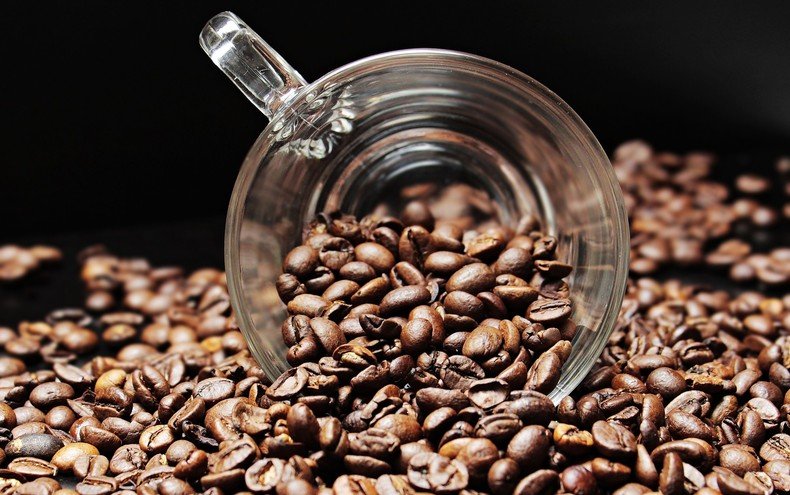
Tea, coffee, cut flowers, vegetables, and fruits are quite popular in overseas markets, particularly in Europe and the Middle East.
The foreign money gained from these exports helps to meet the country’s import demands, stabilize the Kenyan shilling, and manage the balance of payments.
Increased demand for Kenyan products overseas encourages local industries to develop, hire more people, and reduce unemployment.
With that said, here are the products Kenya exported the most in its last fiscal year.


Top 5 products Kenya sold the most in its last fiscal year
| Rank | Country | Exports in 2024 (KSh in Billions) |
|---|---|---|
|
1. |
Horiculture |
KSh203.6 billion |
|
2. |
Tea |
KSh189.1 billion |
|
3. |
Apparel & Clothing |
KSh56.8 billion |
|
4. |
Coffee (unroasted) |
KSh38.4 billion |
|
5. |
Animal & Veg Oils |
KSh30.3 billion |