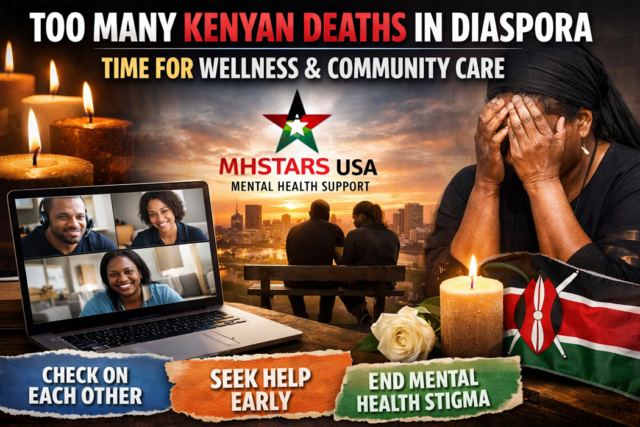
The first few weeks of 2026 have witnessed a disturbing rise in reported deaths of Kenyans living in the diaspora, sending shockwaves across Kenyan communities in the United States, United Kingdom, Canada, Australia, Europe, and the Middle East.
Sadly, this trend is not new. Throughout 2025, Kenyan diaspora platforms, community groups, and social media pages were flooded with obituary posts, fundraising appeals, and emergency announcements involving Kenyans who passed away abroad—often suddenly, quietly, and in isolation.
From unexplained deaths, medical emergencies, mental health struggles, workplace accidents, domestic crises, to suicide cases, one painful pattern keeps emerging: many Kenyans abroad are suffering in silence.
A Silent Crisis in the Kenyan Diaspora
Life in the diaspora is often portrayed as successful, stable, and financially rewarding. But behind the photos, success stories, and remittance figures lies a hidden reality—loneliness, burnout, financial pressure, immigration stress, family separation, and untreated mental health challenges.
Many Kenyans abroad face:
- Long working hours and multiple jobs
- Immigration and legal uncertainties
- Cultural isolation and racism
- Family expectations and financial pressure
- Lack of access to culturally sensitive mental healthcare
- Fear of being judged for struggling
In many cases, people only discover how deep the pain was after someone has already passed away.
Why Are We Losing So Many Kenyans Abroad?
While each death has unique circumstances, community leaders point to common underlying factors:
1. Mental Health Stigma
Mental health remains a taboo topic in many Kenyan communities. Admitting depression, anxiety, or emotional distress is often seen as weakness.
2. Isolation and Loneliness
Many Kenyans live far from family, lack close friendships, or work in environments with little social connection.
3. Financial and Remittance Pressure
Being seen as “successful abroad” creates pressure to constantly send money home—even when struggling personally.
4. Lack of Community Safety Nets
Unlike back home where extended families exist, many diaspora Kenyans live without reliable emotional or social support systems.
One Kenyan Organization Making a Difference: MHSTARS USA
Amid the growing crisis, one Kenyan-led organization in the United States is taking proactive steps to address mental health challenges in the diaspora.
MHSTARS: Mental Health STARS *(Start Talking and Remove Stigma) has been running monthly Zoom discussions aimed at raising mental health awareness among Africans and Kenyans living abroad.
Through open conversations, peer support, and expert-led sessions, MHSTARS provides a safe space where people can speak freely about:
- Depression and anxiety
- Stress and burnout
- Immigration trauma
- Relationship challenges
- Grief and loss
- Financial and career pressure
MHSTARS emphasizes a powerful guiding principle:
“A lack of guidance leads to failure, but seeking advice from trusted people brings security and success.”
This philosophy applies not only to mental health, but also to personal decisions, relationships, career choices, finances, and life transitions—areas where many diaspora Kenyans struggle quietly.
By encouraging people to seek help early, talk openly, and connect with trusted individuals, MHSTARS is helping shift the culture from silence to support. Join Diaspora Messenger WhatsApp Channel to get notification for the monthly metting.
The Big Question: How Do We Change This?
The conversation must shift from reacting to deaths to preventing them. From mourning to wellness.
1. Normalize Community Check-Ins
We must make it normal to ask:
- “How are you really doing?”
- “Are you coping?”
- “Do you need someone to talk to?”
Not just on WhatsApp groups when someone dies—but consistently, intentionally, and genuinely.
2. Build Diaspora Wellness Circles
Community associations, churches, student groups, and social clubs should establish:
- Mental health support groups
- Wellness forums and safe spaces
- Anonymous counseling channels
- Peer support networks
3. Make Mental Health Support Accessible
Diaspora organizations should partner with:
- Kenyan therapists abroad
- Local mental health professionals
- Crisis hotlines and community clinics
And promote these resources openly—without shame.
4. Train Community Leaders
Church leaders, association heads, and group admins should receive basic training in:
- Mental health awareness
- Suicide prevention
- Crisis response
- Trauma support
So they can identify warning signs early.
5. Create a Culture of Vulnerability
We must move away from the culture of pretending everything is fine.
It should be okay to say:
“I am not okay. I need help.”
Checking on the One Who Never Speaks
The most at-risk person is often:
- The quiet one
- The strong one
- The successful one
- The one who never complains
We must intentionally check on:
- New immigrants
- Students and asylum seekers
- Single parents
- Elderly diaspora members
People recently divorced, deported, unemployed, or grieving
A Community Responsibility
The rising deaths among Kenyans in diaspora are not just statistics—they are siblings, parents, friends, classmates, and community members.
This is no longer just about funerals, repatriation funds, or burial arrangements.
It is about:
If we truly want to honor those we have lost, then the greatest tribute is this:
Let us build a diaspora where no Kenyan suffers alone.