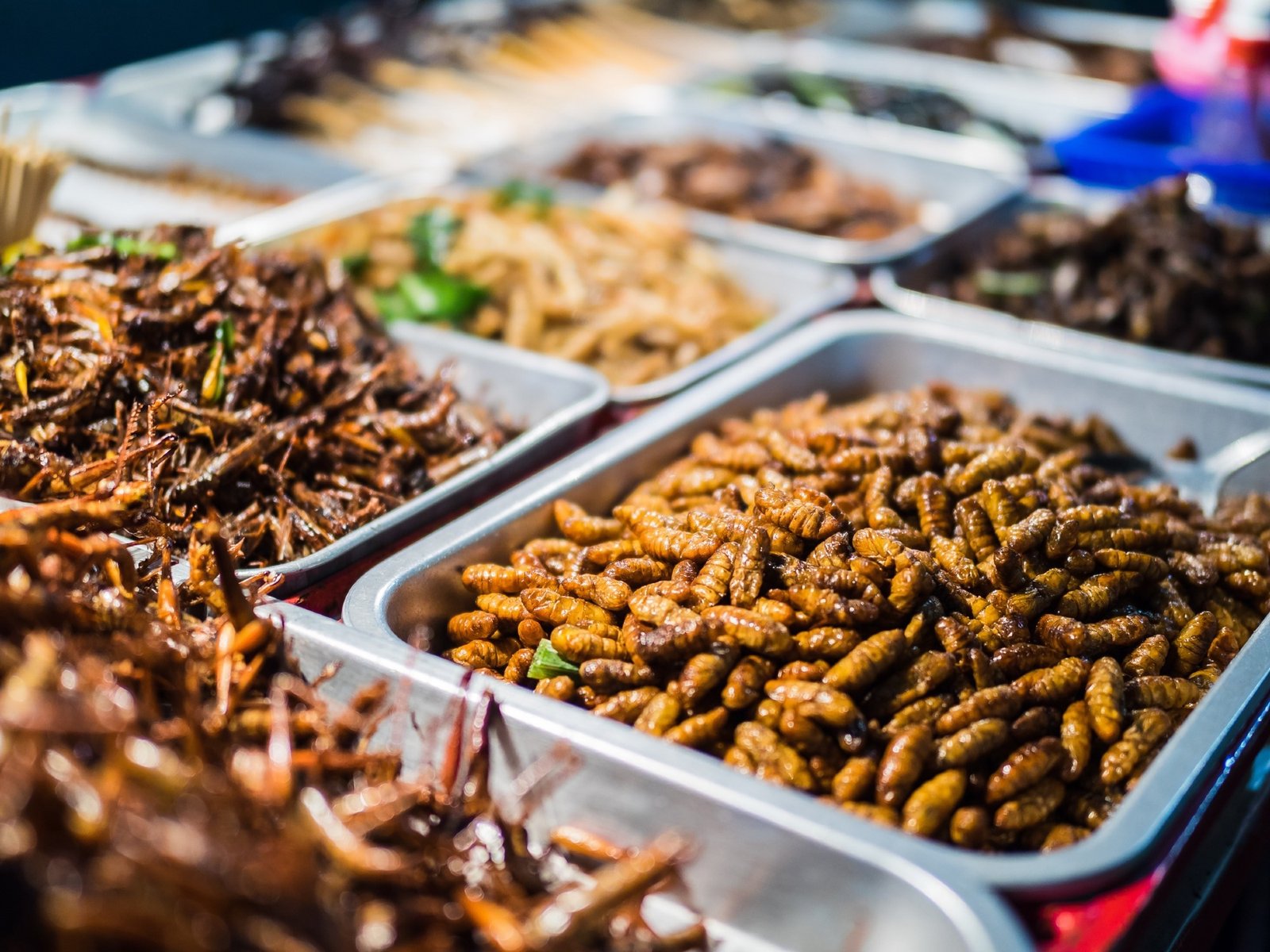
Entomophagy, the practice of eating insects, has a rich history in cultural contexts, with roots varying across different regions. Insects are considered a delicacy or staple food source due to their nutritional benefits, cultural significance, and abundance.
Despite declining rates of entomophagy due to Western influence and industrialization, the consumption of insects remains important in many societies. Recent efforts have been aimed at promoting sustainable and nutritious food sources, which has challenged cultural biases against insect consumption.
In a recent study published in Insects, researchers review data using insects as a sustainable and environmentally friendly source of protein, vitamins, and minerals. To this end, entomophagy was explored from a nutritional, historical, and cultural perspective to emphasize the gradual acceptance of eating insects in Western nations.
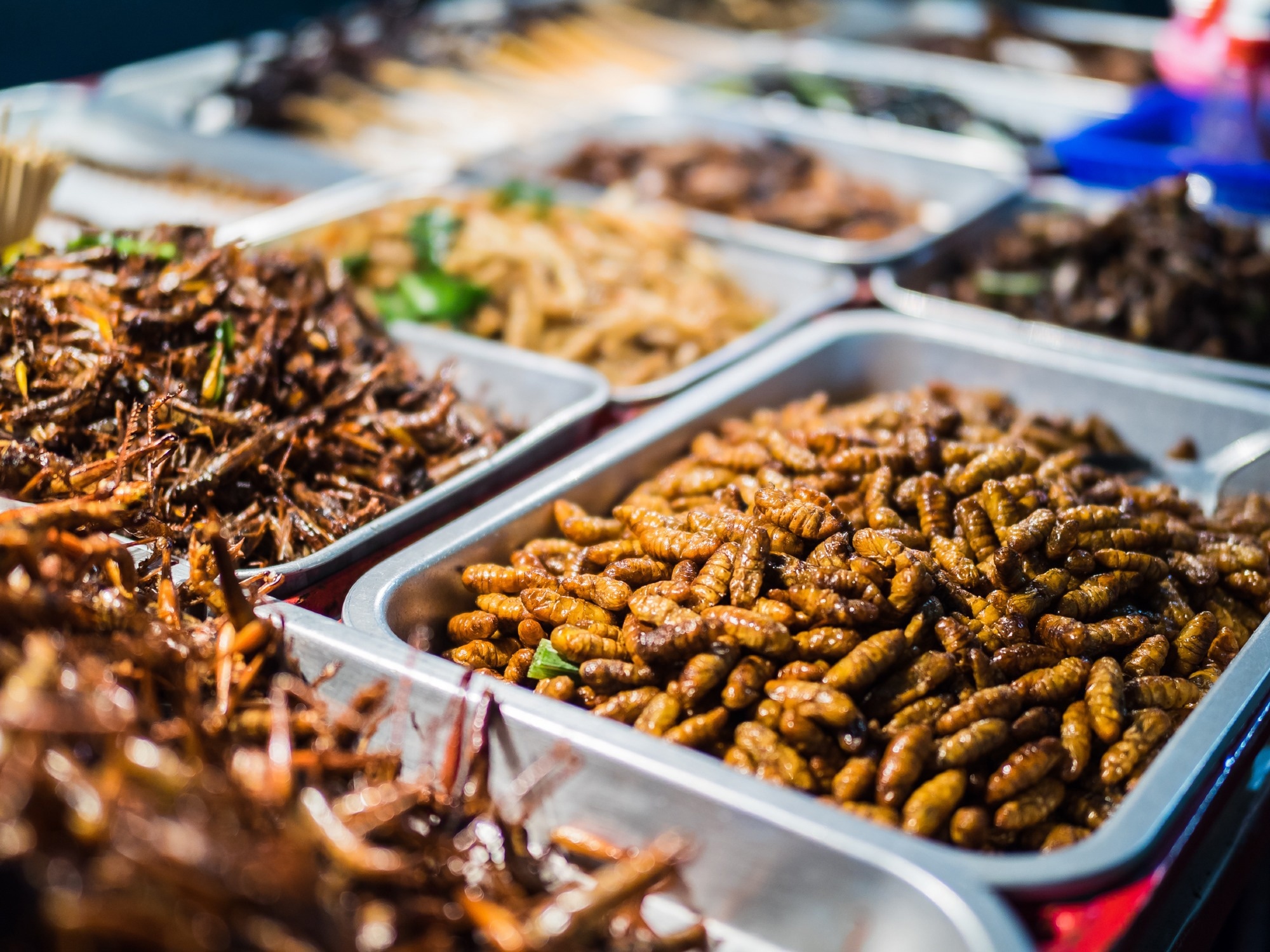 Study: Edible Insects: A Historical and Cultural Perspective on Entomophagy with a Focus on Western Societies. Image Credit: Shanti Hesse / Shutterstock.com
Historical aspects of entomophagy
The relationship between humans and animals has evolved, with insects often considered sacred or symbolic beings. Insects represent our connection to Earth and the cycles of life and death, as well as the seasons, elements, and forces of nature. Insects, which require significantly fewer resources than conventional livestock, may be considered a sustainable food source.
Entomophagy has been accepted in many societies throughout history, with insects considered an emerging food in regions without this culinary tradition. Insects were likely an important food source for early human populations, with evidence suggesting that insects were consumed as part of the human diet as early as prehistoric times.
Archaeological sites in France and Europe provide insights into insect consumption in prehistoric times, with references to insects in the Bible, particularly the Old Testament. Insects with four legs were considered unclean, whereas winged insects with jointed legs, such as grasshoppers and locusts, were considered safe for consumption.
In ancient Rome, locusts and grasshoppers were considered delicacies and often prepared by roasting or frying. The taste of locusts has been described as similar to that of fish but more pleasant.
Throughout history, locusts were thought to have therapeutic qualities and were utilized for curing various illnesses, including cough, insomnia, and headaches. Insects were not only a delicacy but also a source of food during times of scarcity and hardship.
Military personnel boiled locusts and pounded them into a paste that was subsequently mixed with grain to make bread. Insect consumption was a common practice, both as food for the poor and a source of curiosity for the wealthy. During the Renaissance period, locusts and cicadas were consumed as healthy and nutritious food sources in Europe.
Residents of Turkey and other Eastern countries ate insects like locusts and grasshoppers, in addition to consuming ants and beetles as a remedy for various ailments. In many cultures, insects were often used as food, as they were believed to be a good source of protein and other nutrients.
Modern insect consumption in non-Western nations
Over 2,000 insect species are consumed globally, with caterpillars, mopane worms, and palm weevils the most common sources of food. In Africa, caterpillars are fried or roasted and consumed as snacks or meals, with medicinal properties believed to treat various ailments. Mopane worms, which are otherwise known as Gonimbrasia belina larvae, are considered rich protein sources in South Africa, especially Zimbabwe, Botswana, South Africa, and Zambia.
In southern regions of America, palm weevil larvae, or “Suri,” is a conventional source of food for indigenous Amazon rainforest communities. Omphisa fuscidentalis, which are commonly referred to as bamboo worms, are popular foods in Vietnam, Laos, and Thailand.
In northeastern regions of India, red ants, silkworm pupae, and bamboo worms are commonly consumed by tribal communities. Nagaland tribals have semi-domesticated Vespa mandarinia, or Asian hornets, as a food source and disease remedy.
Insects, including crickets and sago grubs, are also commonly consumed in Oceania and are considered valuable sources of protein in Papua New Guinea, Australia, and New Zealand. Aboriginal communities semi-cultivated cerambycid beetles hundreds of centuries ago by putting ovipositing female beetles on appropriate trees, where their eggs could be removed and consumed as food.
Insects vs. livestock as food sources
Insects are considered nutritional and sustainable sources of food, with their consumption increasing globally. As compared to traditional livestock, insects are better sources of protein, minerals, and vitamins, in addition to being low in fat with a favorable ratio of omega-3 to omega-6 fatty acids. Moreover, insects generate less trash and pollution and can be cultivated on organic waste, thereby reducing landfills and improving waste management.
Insect farming uses considerably fewer resources than traditional cattle production, which results in a reduced carbon impact. Furthermore, insects consume less land and feed, emit less greenhouse gases, and transform feed into edible biomass more efficiently.
Insect-eating can provide numerous benefits, such as increased nutrition, ecological conservation, food safety, cultural variety, and food industry innovation. As culinary innovations and technical breakthroughs have revolutionized how insects are consumed, entomophagy provides a new possibility for the food business and global food security.
Conclusions
Insects have been consumed throughout the world for centuries as a luxury food for some and a source of essential nutrients for others. Introducing insects into world cuisines, particularly those in Western civilizations, may aid in the preservation of traditional food cultures and promote cultural variety.