– Advertisement –
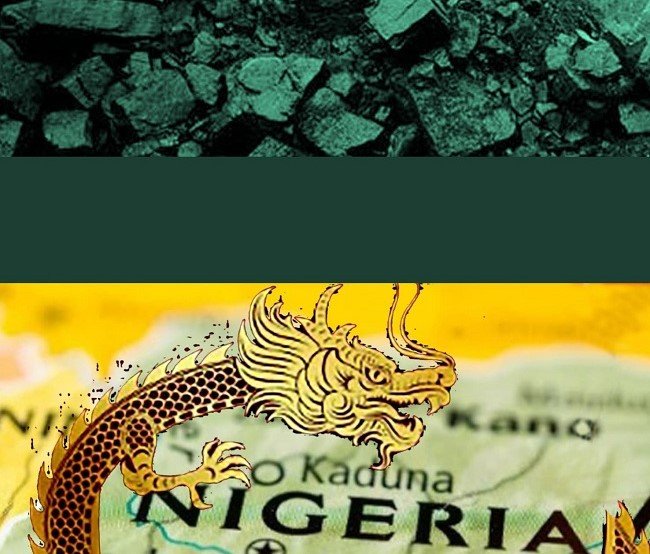
Silent Conquest: The Chinese Infiltration of Nigeria’s Solid Minerals Sector is a timely, rigorously compiled, and policy-relevant report that fills a critical gap in Nigeria’s extractive governance discourse.
As a reviewer, I find this work both compelling and necessary – an evidence-driven analysis that illuminates one of the most complex and least understood threats to Nigeria’s economic sovereignty: the rise of foreign-linked illegal mining networks.
The report distinguishes itself through its careful integration of official data from Nigeria Extractive Industries Transparency Initiative (NEITI) audits, enforcement records from the Economic and Financial Crimes Commission (EFCC) and the Nigeria Security and Civil Defence Corps (NSCDC), and a wide body of credible media and policy literature.

For those who were curious about China’s particular interest in Nigeria’s spat with the United States following President Donald Trump threat to use lethal force on terrorists, the answer seems not to be far-fetched. The report captures the fact that Chinese nationals have been implicated in “rent payment” in terrorist strongholds in northern Nigeria to enable them access precious minerals.
The authors demonstrate an impressive ability to connect granular field-level events to broader patterns of national security risk, environmental decline, and governance failures. This strengthens the report’s credibility and positions it as an essential reference for policymakers, regulators, civil society actors, and researchers working on extractive governance.
One of the strongest contributions of this report is its balanced tone. While the subject matter is sensitive – touching on foreign involvement, state collusion, and high-value critical minerals – the analysis remains grounded in documented facts rather than speculation. The presentation of recent arrests, institutional failures, community impacts, and legislative proceedings is thorough and responsible. The narrative highlights systemic weaknesses without losing sight of the wider implications for Nigeria’s economic diversification agenda.
Equally important is the report’s framing of illegal mining as both an economic and a national security challenge. By linking resource theft to insecurity, community grievances, and environmental impacts, the author situates illegal mining within Nigeria’s broader governance landscape. This multidimensional approach is one of the report’s key strengths.
The recommendations presented are clear, actionable, and aligned with global best practices in natural resource governance. They underscore the urgent need for legal reform, stronger enforcement architecture, and accountability mechanisms capable of addressing both internal and external drivers of illicit extraction.
In sum, Silent Conquest: The Chinese Infiltration of Nigeria’s Solid Minerals Sector is a well-researched and courageously presented contribution to ongoing national debates on resource protection. It is a work that challenges institutions to confront uncomfortable truths, strengthens public understanding of emerging threats, and provides practical pathways for reclaiming state control of Nigeria’s mineral wealth.
It is important to mention a few things about the authors of the report. I make bold to say that they are competent to write about this issue. Philip Jakpor started his work career as a journalist in 2003 reporting the environment and agriculture. Even after leaving the newsroom in 2007, he has consistently engaged the media on a host of subjects concerning the environment including in the Niger Delta and in the mining communities in the north and Sam Orovwuje is a policy analyst and independent scholar. His research interests include sustainable development goals, African political development, and decolonial theory.
I commend the Revevlyn Development Initiative (RDI) and the authors for producing a report that is not only analytical but strategic – one that should guide decision-making at the highest levels of government and among all stakeholders committed to safeguarding Nigeria’s natural resources.
It is our hope that the relevant agencies of government like the EFCC and NSCDC already confronting this menace are further strengthened and provided the needed resources to continue their good work.
Review by Babatunde Jimoh, Member, Vanguard Editorial Board