

In a bustling factory, the rhythmic hum of machinery harmonises with the chatter of workers, a blend of technology and humanity.

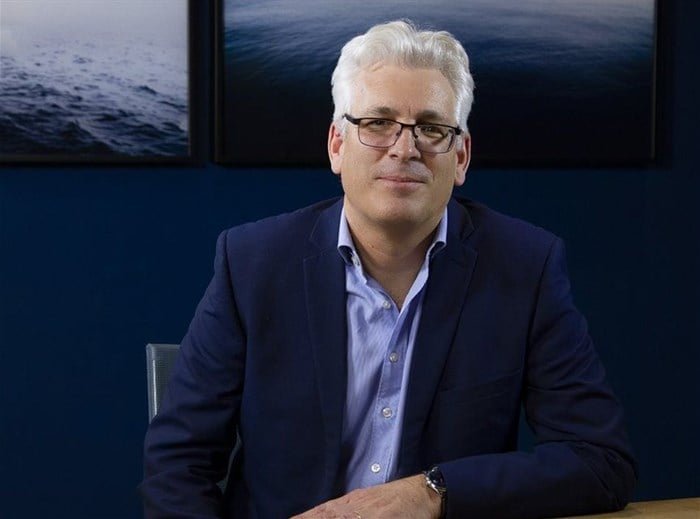
Mark Wilson, CEO, SYSPRO EMEA & APAC. Image supplied
This isn’t just a scene from a manufacturing floor; it’s a glimpse into the symbiotic relationship between Industry 4.0 (4IR) and the emerging Industry 5.0 (5IR) that’s reshaping the future of manufacturing.
Today’s manufacturing leaders are navigating uncharted waters. Consumer demands for personalised products, and a global emphasis on sustainability create a perfect storm of challenges and opportunities.
Yet, the answer lies not just in smarter factories but in better ones – factories where technology amplifies human ingenuity and responsibility.
Building a digital foundation
The Fourth Industrial Revolution introduced manufacturers to the power of interconnected systems, advanced data analytics, and automation. By harnessing the power of big data and the ability of ERP systems to create predictive analytics offering a view across the entire manufacturing chain, these technologies transformed manufacturing production, making processes more efficient, agile, and precise.
Consider a beverage manufacturer adopting IoT sensors to monitor production lines. By analysing real-time data using their ERP system to produce valuable insights, they’ve reduced wastage, optimised production schedules, and significantly cut unplanned downtime. The benefits ripple beyond cost savings to faster product deliveries and a happier customer base.
But while 4IR is synonymous with innovation and efficiency, it often misses a crucial element: the human touch.
Where technology meets humanity
Unlike its predecessor, 5IR is not just about automation and data. It’s a movement toward putting people and the planet at the centre of manufacturing. The aim is to leverage the advancements of 4IR while addressing its shortcomings – fostering sustainability, resilience, and human-centric innovation.
Here, ERP systems enable the integration of human skills and experience with advanced automation technologies, creating smarter and more resilient manufacturing systems.
Take, for instance, a textile company integrating AI into their operations. While AI optimises inventory and forecasts demand, the focus in 5IR is on how these insights empower human designers. By automating mundane tasks, employees can focus on creativity and invention, producing designs that resonate deeply with consumers.
Sustainability
Manufacturers are rethinking processes to minimise waste, reduce energy consumption, and adopt circular economy principles. In 5IR, sustainability becomes a cornerstone. This isn’t just about environmental stewardship, it’s also about creating competitive advantages.
Manufacturers can track and manage their sustainability goals using their ERP systems to ensure that their operations are environmentally friendly and socially responsible.
A leading electronics manufacturer, for instance, has embraced sustainable practices by designing modular products that are easier to repair and recycle. This approach not only reduces environmental impact but also strengthens brand loyalty in an increasingly eco-conscious market.
Preparing for the unexpected
The past few years have highlighted the fragility of global supply chains. In response, manufacturers are prioritising resilience by diversifying suppliers, adopting advanced ERP systems to integrate data from diverse sources across the supply chain for real-time analytics, and harnessing predictive analytics to anticipate disruptions.
Imagine a food processing company leveraging AI to identify alternative suppliers in the event of a raw material shortage. Such proactive strategies allow for quick pivots, ensuring business continuity and safeguarding reputation.
Human-centric manufacturing
At its core, 5IR celebrates the irreplaceable qualities of humans – empathy, creativity, and critical thinking. Technology becomes an enabler, not a replacer.
A robotics firm illustrates this beautifully. By automating repetitive tasks on the assembly line, they’ve shifted their workforce’s focus to quality control and innovation. Employees are trained in advanced skills, fostering a culture of growth and engagement.
The role of AI and emerging technologies
AI and robotics are pivotal in this transformation. These tools don’t just make operations efficient; they elevate human potential. LLM models, for instance, are reshaping how manufacturers plan, communicate, and innovate.
Imagine a factory floor where an AI-enabled ERP system analyses production data, identifies a potential bottleneck, and suggests pre-emptive solutions. The human supervisor, armed with this insight, makes informed decisions, ensuring optimal output.
The road ahead
The journey to 5IR is one of evolution, not revolution. It’s about harmonising the best of technology with human values to create a manufacturing ecosystem that’s efficient, sustainable, and resilient, using ERP systems to integrate human skills and experience with advanced automation technologies.
As we look to the future, the question is not whether companies will embrace this shift but how quickly. Those who prioritise sustainability, invest in their people, and leverage technology as a force for good will lead the way. The factory of tomorrow is where humanity and technology converge to create a world that’s better for everyone. And in this future, every cog – human or machine – matters.


