
• Business
  • Markets
  • Politics
  • Crypto
  • Finance
  • Intelligence
    • Policy Intelligence
    • Security Intelligence
    • Economic Intelligence
    • Fashion Intelligence
  • Energy
  • Technology
  • Taxes
  • Creator Economy
  • Wealth Management
  • LBNN Blueprints
  • Business
  • Markets
  • Politics
  • Crypto
  • Finance
  • Intelligence
    • Policy Intelligence
    • Security Intelligence
    • Economic Intelligence
    • Fashion Intelligence
  • Energy
  • Technology
  • Taxes
  • Creator Economy
  • Wealth Management
  • LBNN Blueprints

Swiss food giant Nestle accused of risking babies’ health in Africa

Simon Osuji by Simon Osuji
November 19, 2025
in Business
0
Swiss food giant Nestle accused of risking babies’ health in Africa
0
SHARES
0
VIEWS
Share on FacebookShare on Twitter

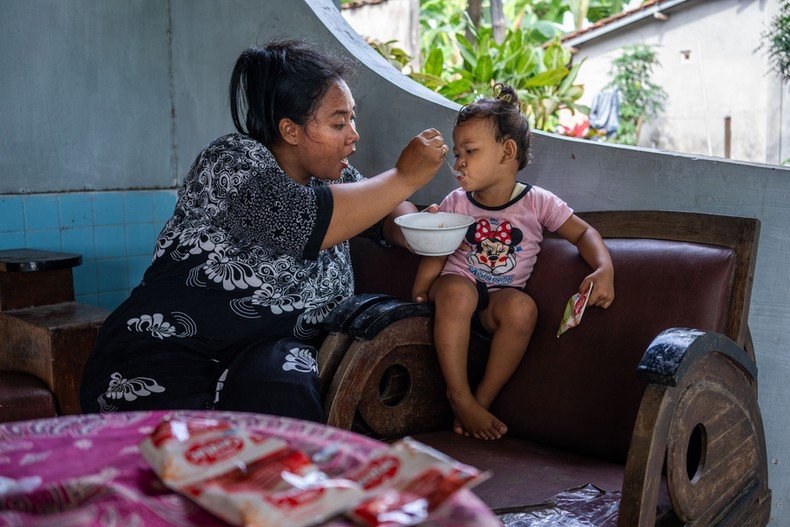
A recent investigation by Swiss NGO Public Eye highlights that Cerelac products marketed in African countries contain added sugar, while equivalent products in Europe are sugar-free.

Advocates argue this represents “double standards” that put the health of African children at risk, raising urgent questions about corporate responsibility, nutrition, and equity in African markets.

Related posts

Africa’s largest diamond miner records $511 million loss amid weak global and Chinese demand

Africa’s largest diamond miner records $511 million loss amid weak global and Chinese demand

February 21, 2026
Elon Musk escalates dispute with South Africa amid report of 14,000 illegal Starlink users, despite R500 million pledge

Elon Musk escalates dispute with South Africa amid report of 14,000 illegal Starlink users, despite R500 million pledge

February 21, 2026

Sugar in African Cerelac Products

The report, released on Tuesday and confirmed by Al Jazeera, found that most Cerelac infant cereals sold in African countries contained added sugar, while the same products in Europe, including Switzerland, Germany, and the UK, are sold with none.

This contradicts 2022 World Health Organization (WHO) guidelines, which warn that early sugar exposure can create long-term preferences for sugary foods and contribute to childhood obesity.

Civil Society Condemns “Double Standards”

In an open letter sent to Nestle CEO Philipp Navratil on November 17, 19 Africa-based civil society organisations said this demonstrated “double standards” and demanded that sugar-laden baby foods be withdrawn from the continent.

“If added sugar is not suitable for Swiss and European children, it is not suitable for children in Africa and beyond,” the letter reads.

Nestle Responds to Allegations

Nestle rejected the allegations, calling the report “misleading and unfounded.” A company spokesperson told reporters, “We do not have double standards, our approach to nutrition is consistent across all countries.

Nestle is committed to the wellbeing of children everywhere in the world, and we treat all children equally, irrespective of where they are.”

The company said it offers versions of its cereals both with and without added sugar in Africa and Europe, adding that “no added sugar” variants are already available in 97 percent of its markets and will reach 100 percent by the end of 2025.

Rising Childhood Obesity in Africa

Childhood obesity is increasingly a concern across Africa, where about 5.1% of children under five are overweight, and the total number has nearly doubled since 1990. WHO warns that many African countries now face a “double burden” of malnutrition and obesity.

Public Eye analysed nearly 100 Cerelac products across 20 African countries, finding that 90 percent contained added sugar.

On average, each serving contained nearly six grams of added sugar, about one-and-a-half sugar cubes, with the highest amount, 7.5 grams, found in a product for six-month-old babies sold in Kenya.

Other African countries, including Nigeria, Senegal, South Africa, and Ethiopia, also showed high sugar levels in Cerelac products, ranging from 4.2 to 6.8 grams per serving.

Nestle is facing criticism for adding sugar to baby cereals sold in Africa while equivalent products in Europe are sugar-free.

Civil Society Criticises Corporate Priorities

Civil society groups argue that Nestle’s practices prioritise profit over the health of African children. “Let us be clear: By adding sugar to infant cereals, Nestle is deliberately putting the health of African babies at risk for profit. This must end, now,” they said.

In the context of careful scrutiny in Europe, the Swiss-based beverage and food giant faces criticism for appearing biased in its treatment of African markets.

“All babies have an equal right to healthy nutrition, regardless of their nationality or skin color.” the letter reads.

Nestle Maintains Focus on Nutrition and Safety

Nestle responded that undernutrition remains the “most urgent health concern” in Africa and that it does not compromise on product safety or nutritional quality. The company also noted that it adheres to strict labelling standards and analytical testing, with 14 sugar-free Cerelac variants recently introduced in India following a similar report.


Source link

Previous Post

Will Shiba Inu’s $2 to $17 Million Story Come Again?

Next Post

Britam, Hotpoint and MIC Global Launch Free All-Risks Cover for Home Appliances

Next Post
Britam, Hotpoint and MIC Global Launch Free All-Risks Cover for Home Appliances

Britam, Hotpoint and MIC Global Launch Free All-Risks Cover for Home Appliances

Leave a Reply Cancel reply

Your email address will not be published. Required fields are marked *

RECOMMENDED NEWS

UK energy industry “deeply concerned” as Labour wins landslide –

UK energy industry “deeply concerned” as Labour wins landslide –

2 years ago
The art and science of living-like architecture

The art and science of living-like architecture

3 years ago
Concerns grow over Russian ex-convicts being deployed as mercenary forces to Africa

Concerns grow over Russian ex-convicts being deployed as mercenary forces to Africa

1 year ago
HBKU professor named World Trade Organization Chair

HBKU professor named World Trade Organization Chair

10 months ago

POPULAR NEWS

  • Ghana to build three oil refineries, five petrochemical plants in energy sector overhaul

    Ghana to build three oil refineries, five petrochemical plants in energy sector overhaul

    0 shares
    Share 0 Tweet 0
  • The world’s top 10 most valuable car brands in 2025

    0 shares
    Share 0 Tweet 0
  • Top 10 African countries with the highest GDP per capita in 2025

    0 shares
    Share 0 Tweet 0
  • Global ranking of Top 5 smartphone brands in Q3, 2024

    0 shares
    Share 0 Tweet 0
  • When Will SHIB Reach $1? Here’s What ChatGPT Says

    0 shares
    Share 0 Tweet 0

Get strategic intelligence you won’t find anywhere else. Subscribe to the Limitless Beliefs Newsletter for monthly insights on overlooked business opportunities across Africa.

Subscription Form

© 2026 LBNN – All rights reserved.

Privacy Policy | About Us | Contact

Tiktok Youtube Telegram Instagram Linkedin X-twitter
No Result
View All Result
  • Home
  • Business
  • Politics
  • Markets
  • Crypto
  • Economics
    • Manufacturing
    • Real Estate
    • Infrastructure
  • Finance
  • Energy
  • Creator Economy
  • Wealth Management
  • Taxes
  • Telecoms
  • Military & Defense
  • Careers
  • Technology
  • Artificial Intelligence
  • Investigative journalism
  • Art & Culture
  • LBNN Blueprints
  • Quizzes
    • Enneagram quiz
  • Fashion Intelligence

© 2023 LBNN - All rights reserved.