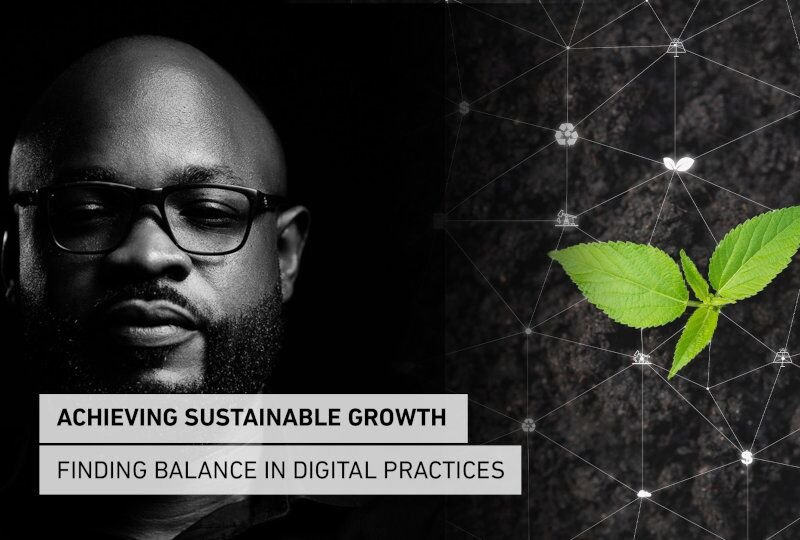

Sedor Duadze, Head of Digital & Content Generation – Djembe Consultants
PRESS OFFICE: Djembe Consultants


By Sedor Duadze, Head of Digital & Content Generation – Djembe Consultants
In an age where digital transformation drives business expansion, the need to harmonise this progress with environmental and societal considerations is paramount. Not too long ago, digital innovation emerged as a major disruptor in the business realm. The advent of the internet, the rapid evolution of computing power, and the potential unlocked by big data compelled companies to adapt quickly. Through digitisation, scaleups are challenging established players, prompting them to reshape their strategies and offerings to thrive in the digital era – or risk being pushed out of business.
However, a new wave of disruption is already underway, and it is revolving around sustainability. For African startups and growing businesses, navigating the digital landscape means addressing the convergence of sustainability and digital practices. This isn’t just a choice; it’s a strategic necessity. This article explores how SMEs in Africa can leverage digital tools responsibly to ensure that their growth aligns seamlessly with long-term sustainability objectives or ESG goals.
The Digital Boom and Environmental Concerns
The digital revolution has undeniably fuelled unprecedented growth, transforming industries and catapulting businesses into new dimensions, especially in the wake of the Covid-19 pandemic. However, this surge in digital activities has raised concerns about its environmental impact in the long-term. From the carbon footprint of data centers to the electronic waste generated by rapid technological advancements, businesses must confront the ecological consequences of their digital practices.
Efficiency Through Digitisation
While the digital realm poses challenges, it also offers solutions. Scale-ups can play a pivotal role in championing sustainability by leveraging digital tools to enhance efficiency. Digitisation enables streamlined processes, reducing the need for excessive resources and minimising waste. Cloud computing, for instance, allows businesses to optimise server usage, reducing energy consumption and environmental impact.
Data-Driven Insights for Sustainable Decision-Making
One of the significant advantages of digitalisation is the wealth of data it generates. Businesses can harness this data to make informed and sustainable decisions eventually increasing their returns on investment. By analysing consumption patterns, supply chain logistics, and energy usage, scale-ups can identify areas for improvement and implement eco-friendly practices. Data-driven insights empower businesses to adopt circular economy principles, minimise waste, and make choices that resonate with sustainability goals.
Remote Work: A Double-Edged Sword
The global shift toward remote work, accelerated by digital tools, has both positive and negative implications for sustainability. On one hand, reduced commuting contributes to lower carbon emissions. On the other hand, the surge in digital communication and collaboration tools has led to an increased demand for energy, particularly in data centers. Striking a balance involves optimising digital communication tools and promoting responsible consumption practices among remote workers.
Innovation for Social Impact
Digital practices extend beyond environmental considerations; they also encompass social responsibility. Scale-ups can leverage digital innovation to address societal challenges and contribute positively to their communities. For example, utilising technology to enhance accessibility, support education initiatives, or facilitate social inclusion demonstrates a commitment to social responsibility. By aligning digital practices with societal impact, businesses can build a positive brand image and foster sustainable growth.
Transparency and Accountability in Digital Practices
Ensuring sustainability in digital practices requires transparency and accountability. Scale-ups should be transparent about their environmental and social impact, allowing stakeholders to make informed choices. Implementing robust accountability measures, such as adhering to ethical data practices and regularly assessing the environmental footprint, demonstrates a commitment to responsible digitalisation.
The Role of Regulation and Certification
Governments and industry bodies play a crucial role in shaping the sustainability landscape for digital practices. Regulations that incentivise eco-friendly technologies and discourage environmentally harmful practices can steer businesses towards responsible digitalisation. Additionally, certifications such as ISO 14001 for environmental management systems can guide scale-ups in establishing frameworks for sustainable digital practices.
Educating Stakeholders for Collective Impact
Achieving a harmonious balance between growth and responsibility requires the active participation of all stakeholders. Scale-ups can contribute to this collective effort by educating employees, customers, and partners about the environmental and social impact of digital practices. Fostering a culture of responsibility creates a ripple effect, influencing the broader business ecosystem to adopt sustainable digital strategies.
A Call for Responsible Digitalisation
The synergy between sustainability and digital practices is not an option; it is a strategic imperative for scale-ups aiming for enduring success. By embracing responsible digitalisation into their ESG policies, businesses can foster innovation, enhance efficiency, and contribute positively to both the environment and society. In a world where the digital landscape continues to evolve, the choices made today will shape the sustainable businesses of tomorrow. Balancing growth with responsibility in the digital era is not just a business strategy; it is a commitment to a better, more sustainable future.