
• Business
  • Markets
  • Politics
  • Crypto
  • Finance
  • Intelligence
    • Policy Intelligence
    • Security Intelligence
    • Economic Intelligence
    • Fashion Intelligence
  • Energy
  • Technology
  • Taxes
  • Creator Economy
  • Wealth Management
  • LBNN Blueprints
  • Business
  • Markets
  • Politics
  • Crypto
  • Finance
  • Intelligence
    • Policy Intelligence
    • Security Intelligence
    • Economic Intelligence
    • Fashion Intelligence
  • Energy
  • Technology
  • Taxes
  • Creator Economy
  • Wealth Management
  • LBNN Blueprints

Study finds AI can help buildings become safer, resilient and more sustainable

Simon Osuji by Simon Osuji
October 7, 2025
in Artificial Intelligence
0
Study finds AI can help buildings become safer, resilient and more sustainable
0
SHARES
0
VIEWS
Share on FacebookShare on Twitter


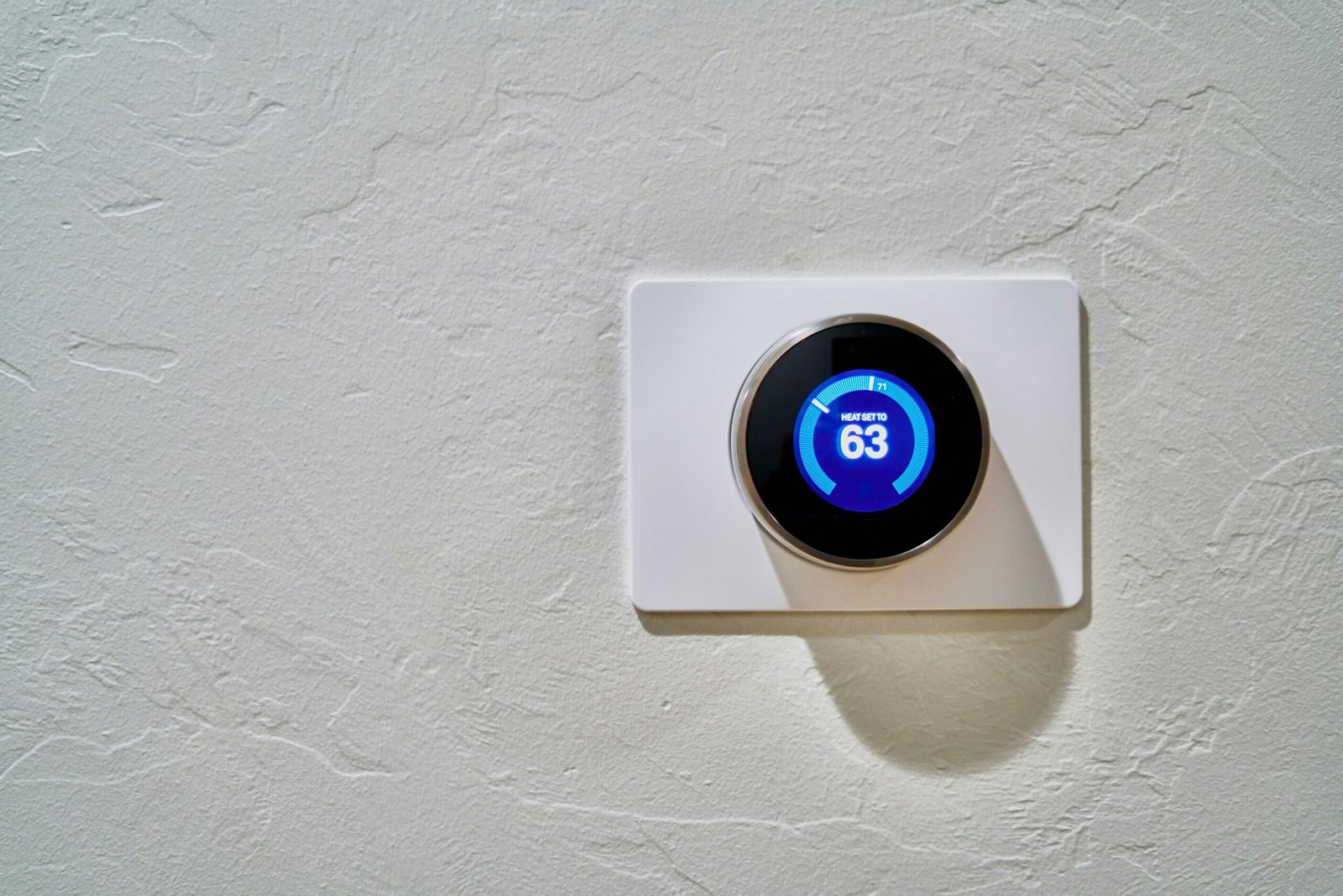
air condition control
Credit: Unsplash/CC0 Public Domain

Artificial intelligence could be key to designing buildings which are resilient to both climate extremes and infectious disease threats, according to a study with Charles Darwin University (CDU).


Related posts

Measles Is Causing Brain Swelling in Children in South Carolina

Measles Is Causing Brain Swelling in Children in South Carolina

February 4, 2026
Notepad++ Users, You May Have Been Hacked by China

Notepad++ Users, You May Have Been Hacked by China

February 4, 2026

The study by the University of Tehran, CDU and Australian Catholic University conducted a review of how AI is being used in smart buildings, with a focus on energy efficiency and management.

“Applications of Explainable Artificial Intelligence (XAI) and interpretable Artificial Intelligence (AI) in smart buildings and energy savings in buildings: A systematic review” was published in the Journal of Building Engineering.

Buildings produce more than two-thirds of global carbon emissions and energy consumption, but managing and saving energy in buildings is challenging and costly.

Co-author and CDU adjunct Associate Professor Niusha Shafiabady said of note, the review found AI could be valuable in improving building ventilation and thermal comfort.

Associate Professor Shafiabady said at present, most buildings use static heating, ventilation and air conditioning (HVAC) systems, which can impact structure sustainability and the health of occupants.

“Overheated or poorly ventilated spaces not only reduce occupant comfort but also increase the likelihood of airborne disease spread,” Associate Professor Shafiabady said.

“Static HVAC designs fall short under fluctuating climate conditions. The study supports the use of adaptive thermal control systems that respond to occupancy, external climate, and internal heat gains in real time.

“This opens the door for AI-driven optimization, where machine learning models can predict and adjust thermal conditions to balance comfort, energy efficiency, and health outcomes.”

The study proposes a framework that allows building designers and facility managers to use AI to simulate thermal scenarios and evaluate their impact on airborne transmission risk.

“It’s modular, scalable, and adaptable to different building types, from classrooms to hospital wards,” Associate Professor Shafiabady said.

“Importantly, it provides a quantitative basis for decision-making, enabling stakeholders to prioritize interventions that enhance both thermal comfort and infection control.”

This research was conducted alongside lead author Mohammadreza Haghighat from the University of Tehran and co-author Ehsan Mohammadi Savadkoohi from CDU.

Future potential research includes integrating this framework with real-time sensor data and AI algorithms, using this research to help inform building regulatory standards.

“This research bridges engineering and epidemiology, offering practical guidance for architects, facility managers, and policymakers seeking to future-proof buildings against health threats,” Associate Professor Shafiabady said.

More information:
Mohammadreza Haghighat et al, Applications of Explainable Artificial Intelligence (XAI) and interpretable Artificial Intelligence (AI) in smart buildings and energy savings in buildings: A systematic review, Journal of Building Engineering (2025). DOI: 10.1016/j.jobe.2025.112542

Provided by
Charles Darwin University

Citation:
Study finds AI can help buildings become safer, resilient and more sustainable (2025, October 7)
retrieved 7 October 2025
from https://techxplore.com/news/2025-10-ai-safer-resilient-sustainable.html

This document is subject to copyright. Apart from any fair dealing for the purpose of private study or research, no
part may be reproduced without the written permission. The content is provided for information purposes only.




Source link

Previous Post

The City of Cape Town Celebrates Its First Junior River Warden Programme

Next Post

Terrestrial network signal solutions: the future of connectivity SA

Next Post
Terrestrial network signal solutions: the future of connectivity SA

Terrestrial network signal solutions: the future of connectivity SA

Leave a Reply Cancel reply

Your email address will not be published. Required fields are marked *

RECOMMENDED NEWS

President Wavel Ramkalawan Commends Graduates of United Arab Emirates (UAE)-sponsored Executive Leadership Programme

President Wavel Ramkalawan Commends Graduates of United Arab Emirates (UAE)-sponsored Executive Leadership Programme

2 years ago
Ethiopia and Somalia agree Turkey-brokered peace deal 2024

Ethiopia and Somalia agree Turkey-brokered peace deal 2024

1 year ago
Small Businesses Appear Optimistic About Growth Despite Critical Cash Flow Issues, According to Latest Pathward Research

Small Businesses Appear Optimistic About Growth Despite Critical Cash Flow Issues, According to Latest Pathward Research

2 years ago
Is America falling behind in the AI race?

Is America falling behind in the AI race?

11 months ago

POPULAR NEWS

  • Ghana to build three oil refineries, five petrochemical plants in energy sector overhaul

    Ghana to build three oil refineries, five petrochemical plants in energy sector overhaul

    0 shares
    Share 0 Tweet 0
  • The world’s top 10 most valuable car brands in 2025

    0 shares
    Share 0 Tweet 0
  • Top 10 African countries with the highest GDP per capita in 2025

    0 shares
    Share 0 Tweet 0
  • Global ranking of Top 5 smartphone brands in Q3, 2024

    0 shares
    Share 0 Tweet 0
  • When Will SHIB Reach $1? Here’s What ChatGPT Says

    0 shares
    Share 0 Tweet 0

Get strategic intelligence you won’t find anywhere else. Subscribe to the Limitless Beliefs Newsletter for monthly insights on overlooked business opportunities across Africa.

Subscription Form

© 2026 LBNN – All rights reserved.

Privacy Policy | About Us | Contact

Tiktok Youtube Telegram Instagram Linkedin X-twitter
No Result
View All Result
  • Home
  • Business
  • Politics
  • Markets
  • Crypto
  • Economics
    • Manufacturing
    • Real Estate
    • Infrastructure
  • Finance
  • Energy
  • Creator Economy
  • Wealth Management
  • Taxes
  • Telecoms
  • Military & Defense
  • Careers
  • Technology
  • Artificial Intelligence
  • Investigative journalism
  • Art & Culture
  • LBNN Blueprints
  • Quizzes
    • Enneagram quiz
  • Fashion Intelligence

© 2023 LBNN - All rights reserved.