

This point is further supported by a report from Kpler, which indicates that the cessation of Middle Eastern shipments has constrained Europe’s ability to secure fuel supplies.
The report revealed that traditional backup suppliers in Asia are redirecting shipments to meet stronger regional demand.
Currently, approximately 21% of the world’s maritime jet fuel supply has been cut off due to the closure of the Strait of Hormuz.
According to Kpler, this could lead to a decrease of about 300,000 barrels per day imports into Europe, with North West Europe usually receiving 247,000 bpd.
“Eastern barrels are increasingly unavailable as strong Asian pricing and export restrictions in China, and potentially South Korea, divert cargoes away from Europe,” the report stated.
Supply from India, particularly from the Jamnagar refinery, would typically be helpful in such situations; however, buyers have been deterred by concerns about EU sanctions tied to Russian crude.
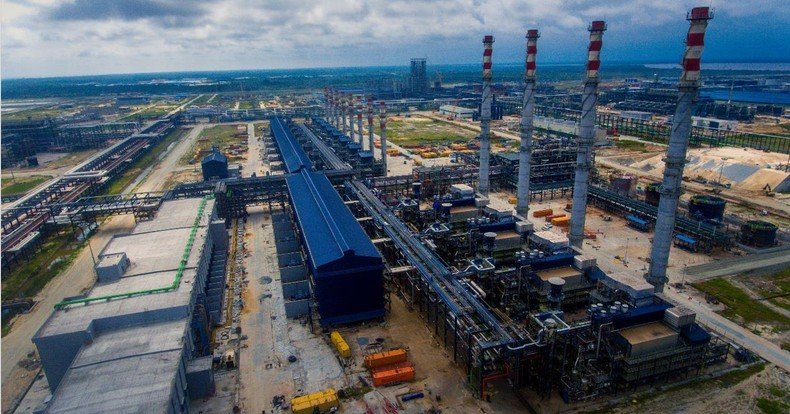
As a result, the report noted that the Atlantic Basin, particularly the U.S. Gulf Coast and West Africa, including the Dangote refinery, is receiving more attention due to the limited supply from the East, as seen in the Punch.
“The US Atlantic Coast is largely supplied from within the US, with some flow from Canada, and hence the reaction in the US has been significantly weaker. We anticipate more exports to come in March from the USGC, helping to offset the lost cargoes from the AG,” the report read.
“The USGC will not fully offset the missing volume, but with West Africa effectively a net long region in 2024, thanks to the Dangote refinery, there is another supply point that can be tapped. Dangote exported around 89kbd of jet fuel in 2025.
This structural length means that even if a policy of first supplying the domestic Nigerian market were enacted, exports would still materialise, especially as the refinery returns from maintenance,” Kpler added.
The report further highlighted logistical difficulties in distributing fuel throughout Europe, noting that infrastructural constraints, refinery layouts, and current diesel obligations may make it difficult to increase jet fuel production in Europe.


