


The South African National Defence Force (SANDF) finds itself at a critical juncture, with Parliament poised to scrutinise the current state of its transformation, readiness, and overall performance. The Joint Standing Committee on Defence (JSCD) has tabled a detailed Mid-Term Strategic Review, originally compiled under the 6th Parliament but scheduled for debate only now on Thursday, 15 May by the newly elected 7th Parliament.
Although the report was adopted in March 2023, the 6th Parliament did not prioritise it for debate before the end of its term. The decision by the 7th Parliament to place the report on its agenda reflects both a renewed focus on defence issues and the growing concerns about the SANDF’s capacity to meet its constitutional mandate amid expanding domestic and international obligations.

The review draws from policy frameworks and oversight conducted between July 2019 and December 2022, assessing SANDF performance across five strategic areas: transformation, integration, equity, morale, and defence readiness. The evaluation is grounded in the 1996 White Paper on Defence, the 1998 Defence Review, and the 2015 Defence Review documents which consecutively sought to chart the intended direction for South Africa’s post-apartheid military force.
Transformation: Policy vs. Practice
Transformation has long been at the centre of South Africa’s defence reform agenda, yet the report reveals a widening gap between intent and execution. While both the 1998 and 2015 Defence Reviews provided strategic direction for a modern, accountable, and representative military force, implementation on the ground has been cumbersome.
Key transformation components such as career management, personnel development, and succession planning are not being consistently applied across the Department of Defence (DOD). The JSCD notes that while policies have been developed to address these areas, structural and institutional inertia has undermined effective execution. The Defence Review of 2015 introduced clear goals for standardised career pathing, skill transfer, and succession frameworks, but these have yet to be translated into an institutional culture that supports long-term human resource sustainability.
The transformation of the Reserve Force remains a particular area of concern. Despite longstanding recognition of the strategic importance of a balanced force comprising both regular and reserve components, the review points out that the Reserves have suffered from chronic underinvestment. Without revitalising this arm of the SANDF, the force’s ability to scale up rapidly in times of national or regional crisis remains severely limited.
The formal integration of statutory and non-statutory forces, which gave birth to the SANDF in 1994, was legally concluded by the Termination of Integration Intake Act in 2001. However, the report indicates that unresolved legacies from the integration period continue to manifest in the form of disparities in promotion pathways, unequal access to career development, and perceived institutional bias.
While there is no legislative provision for reopening the integration process, some groups such as the Khoisan Nation Self Defence Unit have repeatedly attempted to seek entry into the SANDF. These appeals have been deemed outside the scope of the law. Nonetheless, their persistence illustrates the enduring symbolic and practical implications of the post-1994 integration effort.
Internal oversight and feedback mechanisms have surfaced complaints, particularly among former members of non-statutory forces, who argue they are overlooked in selection processes for training and leadership positions. The Defence Force Service Commission (DFSC) has recommended reforms to neutralise institutional biases, such as scrapping the legacy-based force number allocation system. However, the DOD has declined to implement this suggestion, citing risks to historical record integrity.
The JSCD acknowledges that South Africa is now entering a new phase termed the “Consolidation Phase” where the emphasis is shifting from structural integration to operational diversity and professionalisation. Nevertheless, without resolving lingering perceptions of unfairness, these legacy issues continue to impact internal cohesion and morale.
The report identifies meaningful progress in aligning the demographic profile of the SANDF with South Africa’s broader population. African personnel now account for approximately 76% of the force, a substantial increase from 38% in 1994. White representation has declined to 11%, while coloured and Indian figures have remained largely unchanged or decreased slightly.
A more pressing concern is the representativity of the Military Skills Development System (MSDS) intakes. In recent years, the demographic balance of MSDS cohorts has skewed heavily, with African recruits constituting over 85% of intakes in 2020/21. Coloured and white representation has dropped to below 6% combined. If this pattern continues, it may challenge the SANDF’s long-term goal of achieving demographic balance, especially at leadership levels.
Pressures Mount on Personnel
The JSCD underscores that morale remains a significant challenge across the SANDF. Although members continue to perform their duties under often difficult conditions, various structural and material issues have taken a toll on motivation and performance.
The Defence Force Service Commission has repeatedly flagged problems related to inadequate infrastructure, ageing vehicle fleets, and a lack of career mobility. Members of the SANDF have expressed concern over their working and living conditions during oversight visits, particularly in remote or under-resourced units. Reports of perceived favouritism, especially in promotions and access to courses, have further exacerbated frustrations.
The report notes that morale is not merely a matter of welfare, but a critical determinant of operational effectiveness. Without focused investment in wellness programmes, infrastructure maintenance, and career support, the SANDF risks attrition and reduced institutional cohesion.
Defence Readiness: A Force Under Pressure
Perhaps the most urgent findings of the review concern the SANDF’s defence readiness. Over the review period, the SANDF was called upon to perform a wide array of functions beyond its core military mandate. These include domestic deployments for COVID-19 pandemic response, border safeguarding, crime prevention, and natural disaster relief. While these roles are constitutionally sanctioned, they come at a cost.
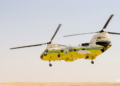
The SANDF’s operational tempo has increased, but the budget to support these activities has not. The report indicates that equipment wear and tear, unscheduled deployments, and delayed reimbursements from government departments have placed additional strain on resources. Crucial systems such as the airlift fleet and naval assets face severe maintenance backlogs. At one point, none of the SANDF’s Gripen fighter jets were serviceable, and currently only one C-130 transport aircraft is semi-operational.
Training targets have also suffered. Sea and flight hours have declined steadily due to reduced fuel budgets, delays in refits, and equipment availability. The JSCD concludes that readiness levels are falling below the minimum needed to meet current mandated obligations, let alone new ones.
Budget constraints have further exacerbated these issues. Although the Department of Defence’s nominal budget increased slightly from R47.8 billion in 2018/19 to R49.1 billion in 2022/23, in real terms this represents a decline. The portion of the budget allocated to compensation of employees has risen to over 68%, crowding out spending on operations, training, and capital acquisition.
This imbalance has had a knock-on effect on the local defence industry. With fewer acquisitions from the SANDF, firms such as Denel have struggled, triggering broader supply chain disruptions and threatening sovereign capability retention.
The JSCD has acknowledged recent efforts to address budget inefficiencies. National Treasury has approved a R1.8 billion allocation to facilitate the Mobility Exit Mechanism, aimed at reducing the force size and aligning spending. However, structural reforms remain incomplete, and the long-term sustainability of the SANDF is in question.
The upcoming debate in the National Assembly represents an important opportunity for the 7th Parliament to evaluate the state of South Africa’s military institution. The JSCD’s Mid-Term Strategic Review offers a frank, evidence-based analysis of the SANDF’s progress and challenges over the last three years.
While gains in equity and policy formation are acknowledged, the report highlights serious structural constraints most notably in readiness and personnel management. The debate will allow Members of Parliament to assess the effectiveness of defence governance, consider budgetary realignments, and determine whether current policies are fit for purpose in a changing regional and global security environment.
The SANDF remains a critical institution in South Africa’s democratic architecture. Whether it can continue to fulfil its constitutional obligations in the face of growing demands and shrinking resources will depend heavily on the political, strategic, and fiscal decisions taken in the months and years ahead.


