

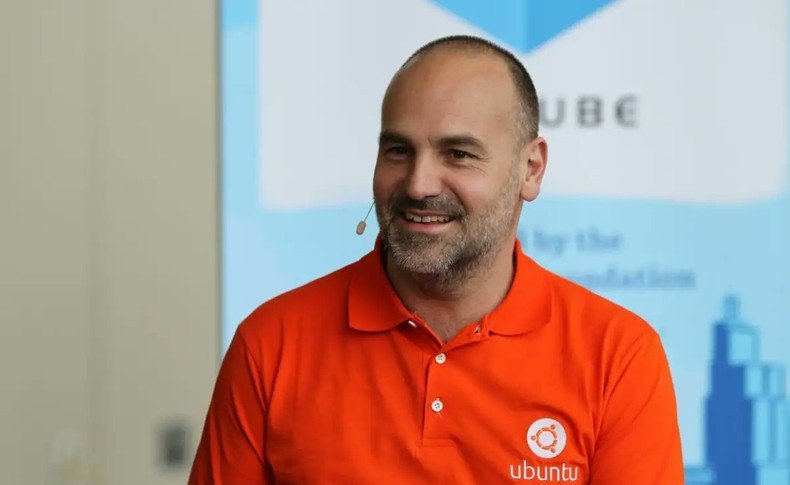
Tech entrepreneur Mark Shuttleworth is launching a conservation-linked income program for residents of Príncipe, a small island off Africa’s west coast where he owns luxury resorts.
Through his nonprofit, Faya, up to 3,000 people, roughly 60% of the island’s adult population, will receive annual payments of up to 20,000 dobras ($958), distributed quarterly. The stipend, described as a “natural dividend,” is intended to reward residents who help protect the island’s biodiversity, according to Bloomberg.
The initiative is believed to be the first privately funded program designed to preserve a region’s natural resources by directly compensating its inhabitants.
Príncipe, part of São Tomé and Príncipe, has been designated a UNESCO biosphere reserve due to its exceptional concentration of endemic species.
Tourism funds biodiversity
Shuttleworth, 52, acquired the Bom Bom resort in 2012 and now owns four hotels on the island through HBD Príncipe. Guests at the hotels pay a €25 nightly conservation levy that funds community and environmental projects.
Residents who have lived on the island for at least eight years can enrol in the program, provided they commit to avoiding activities harmful to nature. Additional funding will also support housing, education and social development projects.
The scheme will begin with a three-year pilot costing about €15 million, after which organisers will assess whether it can be sustained and replicated elsewhere.
The initiative also reflects a broader shift toward compensating communities for protecting ecosystems. Across Africa, countries are receiving results-based financing and conservation incentives tied to forest and biodiversity protection.
Gabon, for instance, became the first African nation to receive $17 million in 2021 for reducing deforestation under a $150 million agreement with the Central African Forest Initiative, an approach designed to fight climate change while creating economic value for local populations.


