Bolivia’s policy shift, under its new strategy “Bolivia to the World, the World to Bolivia,” signals a departure from politically driven migration restrictions and an embrace of pragmatic, development-focused international engagement.
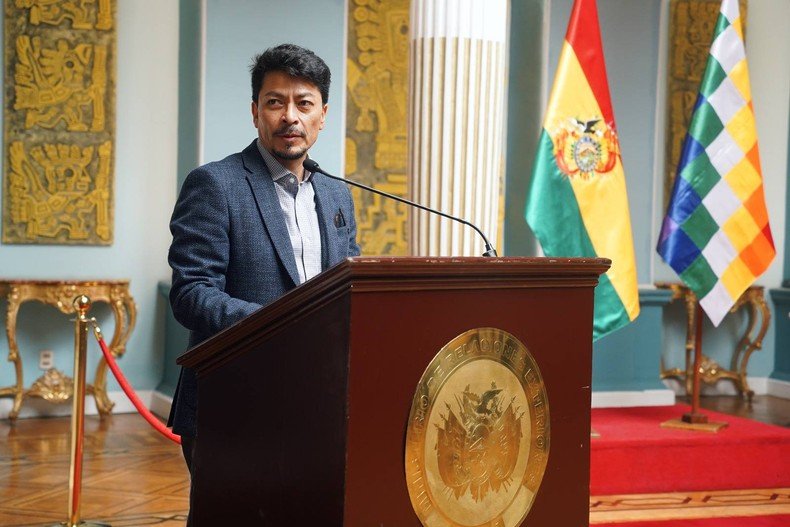
Bolivia’s Foreign Minister, Fernando Aramayo, emphasized that previous visa restrictions were imposed “for strictly political reasons,” without technical or security justification. “Today we are correcting that decision.” he said.
“Bolivia is leaving behind ideological barriers that do nothing to support the country’s development, and is choosing openness, integration, and international cooperation,” Aramayo noted.
The government summarized the reform with the symbolic phrase: “Bolivia is opening its doors… and this time, it’s not asking for a visa to dream big.”
South Africa’s inclusion highlights the country’s ability to maintain a positive influence globally, even amid ongoing tensions with the United States and other international partners.

South Africa leverages soft power amid African mobility gaps
The inclusion comes as a reminder of the uneven landscape for African nations in global migration access. While South Africa now benefits from greater mobility and diplomatic engagement, many other African countries continue to face significant restrictions.
Observers note that South Africa’s participation positions it as a bridge for Africa in international mobility discussions, using soft power, trade, and tourism diplomacy to bolster its global footprint.
The Bolivian government expects the reform to generate roughly $80 million between 2026 and 2030, driven by tourism, investment, and international cooperation.
This is projected to create jobs in hospitality, services, commerce, and tourism-related sectors, particularly in regions heavily dependent on travel and international trade.
Officials framed the policy as both a political and practical gesture, aimed at modernizing Bolivia’s diplomacy and building stronger ties with strategic partners.
For South Africa, the move demonstrates the country’s ability to maintain a positive influence across the globe, even as other African nations lag behind in mobility and access discussions, highlighting the importance of strategic engagement in global policy and economic networks.